
Walk into any major shopping mall in Metro Manila during peak hours, and you will see the same scene repeated across dozens of retail stores: long lines snaking past promotional displays, frustrated customers checking their watches, and overworked staff struggling to keep up. For Philippine retail chains operating in one of Southeast Asia's most dynamic and competitive markets, these queues are more than an inconvenience — they are a direct threat to revenue, brand reputation, and customer loyalty.
With the rapid expansion of local and international retail brands across the Philippines, the pressure to deliver fast, seamless service has never been greater. Consumers today expect the same level of convenience they experience online, and when physical stores fail to meet those expectations, the consequences are immediate and costly. This is where modern retail queuing systems step in, offering a proven solution to a problem that has plagued brick-and-mortar retail for decades.
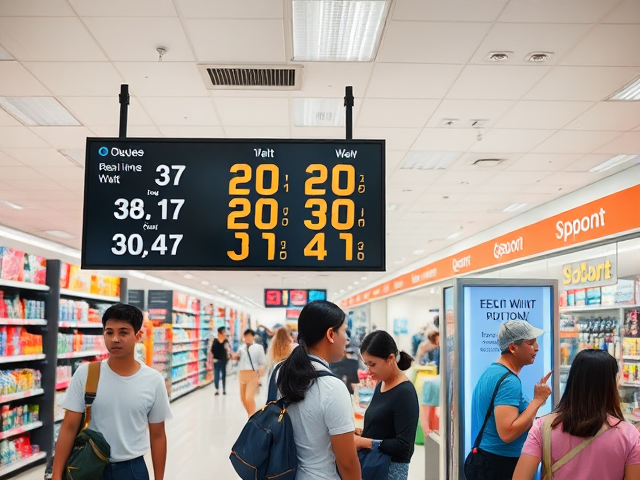
The Philippines retail sector is experiencing unprecedented growth, with e-commerce and physical retail converging into omnichannel experiences. Yet, despite this digital transformation, the majority of Filipino consumers still prefer shopping in physical stores, especially for fashion, electronics, groceries, and home goods. According to recent industry reports, foot traffic in Philippine malls continues to rebound strongly, with Metro Manila alone recording over 200 million annual mall visits.
However, this surge in foot traffic brings a critical challenge: managing customer flow efficiently. Traditional queuing methods — first-come-first-served lines, manual ticketing, or ad-hoc crowd control — simply cannot keep pace with the volume and expectations of modern Filipino shoppers. Long wait times lead to abandoned purchases, negative reviews, and lost repeat business. Retail queuing systems solve this by digitising the entire customer journey from arrival to checkout, ensuring every customer feels valued regardless of how busy the store is.
Choosing the Right Queuing System for Your Retail Chain
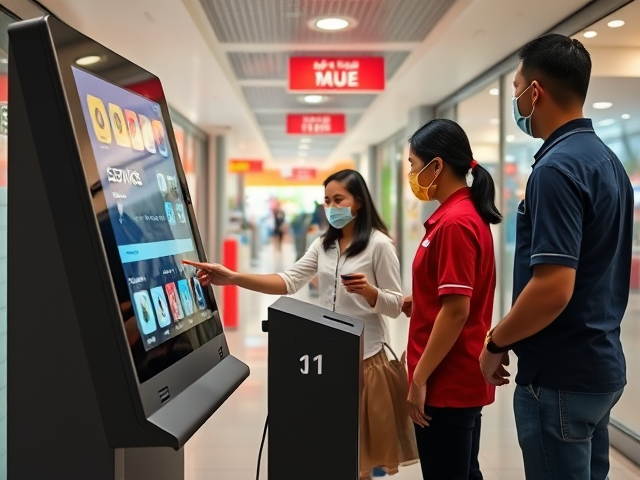
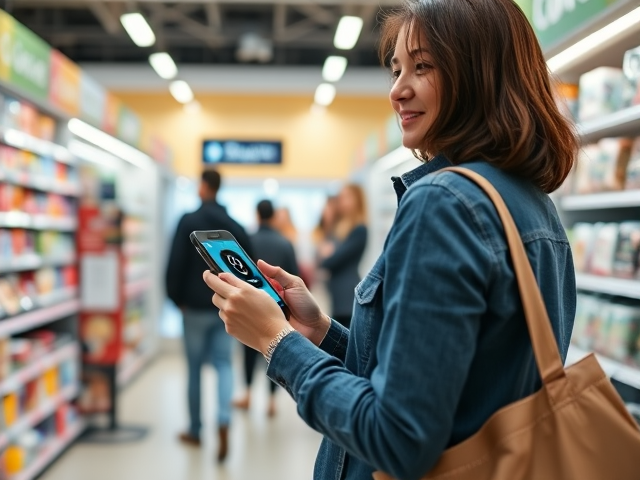
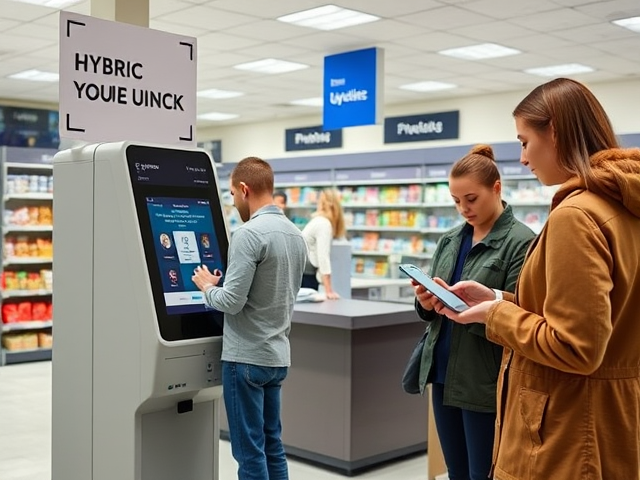
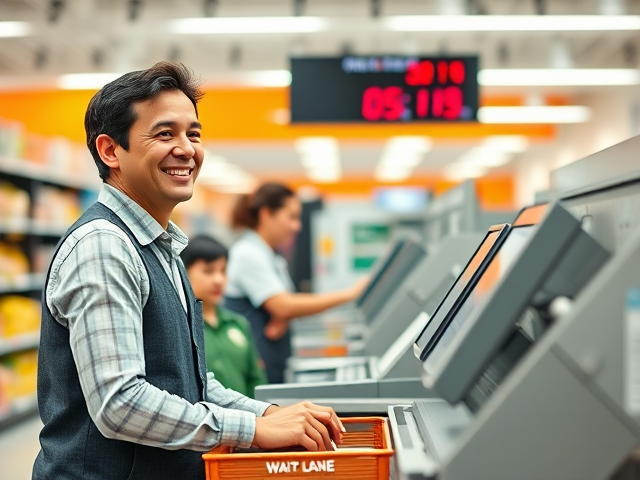
Research consistently shows that Filipino consumers have a low tolerance for unnecessary waiting. Studies indicate that the average acceptable wait time in a Philippine retail environment is between 5 to 7 minutes. Beyond that threshold, frustration sets in rapidly, and the likelihood of a customer walking away increases dramatically. For retail chains with hundreds of stores across Luzon, Visayas, and Mindanao, even a 2-minute reduction in average wait time can translate into millions of pesos in recovered revenue annually.
Modern retail queuing systems address this by intelligently routing customers to available service points, balancing workload across staff members, and providing accurate wait time estimates. When combined with virtual queuing, customers are no longer forced to stand in line — they can browse the store, grab a coffee, or run errands while waiting. This fundamental shift in the customer journey transforms what was once a pain point into a seamless, even enjoyable, part of the shopping experience.
The impact extends beyond individual stores. For multi-branch retail chains, a unified queuing system provides real-time visibility into queue lengths across all locations, enabling dynamic staff deployment and proactive customer communication during peak hours such as weekends, holidays, and promotional events.
In the fast-paced retail environment of the Philippines, communication is everything. A customer who knows their place in the queue and how long they will wait feels in control. A customer who is left guessing feels neglected. Retail queuing systems bridge this gap by delivering real-time updates through multiple channels — digital displays inside the store, SMS notifications, WhatsApp messages, and mobile app alerts.
This transparency delivers measurable benefits across the entire customer journey:
For Philippine retail chains, implementing a queuing system with multi-channel communication capabilities is no longer a luxury — it is a baseline expectation. Customers who have experienced digital convenience in banking, food delivery, and ride-hailing apps now bring those same expectations to their retail experiences.
Behind every successful retail queuing system is intelligent crowd and staff management. For Philippine retail chains managing dozens or even hundreds of stores, the ability to monitor and optimise customer flow in real time is a game-changer. Queuing systems provide store managers with actionable data on peak hours, service point utilisation, and customer wait patterns — enabling smarter staffing decisions and operational adjustments.
For retail chains operating across diverse geographic markets in the Philippines, these operational insights are invaluable. A queuing system deployed in a high-traffic Manila branch can provide data that informs staffing and layout decisions in smaller provincial stores, creating a unified operational standard across the entire chain.
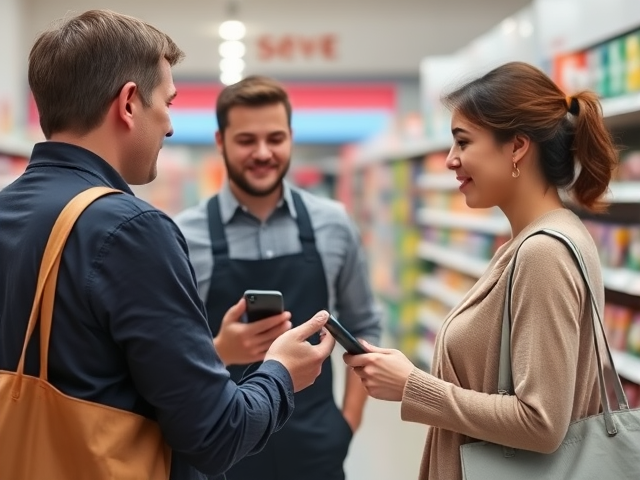
In Philippine retail, the customer journey begins long before a customer steps into a store — it starts with the decision to visit. A retail queuing system influences that decision at every stage, from the moment a customer sees real-time queue information on a brand's app or website, to the moment they receive a notification that their turn is near.
By digitising the queuing experience, Philippine retail chains transform a traditionally negative touchpoint into a positive, data-rich interaction that strengthens the entire customer journey from awareness to advocacy.
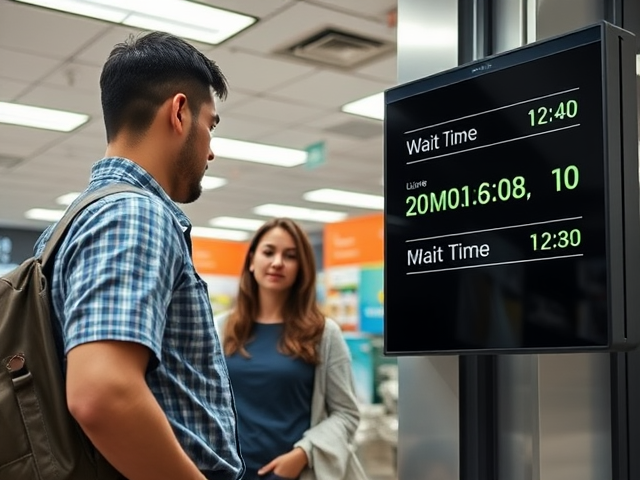
Every minute a customer spends waiting in line is a minute they could be spending in a competitor's store. Industry data suggests that between 15% and 30% of customers in traditional retail queues abandon their purchase simply due to impatience. For Philippine retail chains with high foot traffic, this represents a massive and entirely preventable revenue leak.
Consider a mid-sized retail chain with 50 branches across the Philippines. If each branch loses just 10 customers per day due to queue abandonment, and the average transaction value is ₱1,500, the annual revenue loss exceeds ₱27 million. A modern retail queuing system directly addresses this by reducing perceived wait times, keeping customers engaged, and ensuring that no sale is lost to a long line.
Virtual queuing allows customers to join a line without physically waiting, dramatically reducing abandonment rates. Real-time queue status displayed on digital signage and mobile apps keeps customers informed and reassured. Smart routing ensures that service points operate at maximum efficiency, minimising the time between queue entry and service delivery.
Additionally, queuing systems enable retail chains to implement queue-based promotions — offering discounts or freebies to customers willing to wait during off-peak hours, or prioritising loyalty members during busy periods. These strategies not only recover lost revenue but also drive additional sales and deepen customer relationships.
For Philippine retail operators, the ROI of implementing a queuing system is clear and measurable. The cost of the system is typically recovered within months through reduced abandonment, improved staff productivity, and increased customer retention.
One of the most significant advantages of a cloud-based retail queuing system is its ability to scale across multiple locations. Philippine retail chains that operate in diverse markets — from the dense urban centres of Metro Manila and Cebu to the growing provincial cities of Davao, Iloilo, and Baguio — need a queuing solution that works consistently everywhere.
A centralised queuing platform provides headquarters with a real-time dashboard showing queue performance across all branches. Store managers receive automated alerts when queues exceed thresholds, and regional directors can compare performance metrics between locations to identify best practices and areas for improvement. This level of visibility and control is impossible with manual or siloed queuing approaches.
For Philippine retail chains planning further expansion, a scalable retail queuing system is not just an operational tool — it is a strategic enabler of growth. It ensures that as the chain grows, the customer experience remains consistent, efficient, and competitive.
Modern retail queuing systems do far more than manage lines — they generate a rich stream of data that can transform how Philippine retail chains understand and serve their customers. Every queue interaction produces measurable data points: wait times, service durations, peak hours, abandonment rates, and customer satisfaction scores.
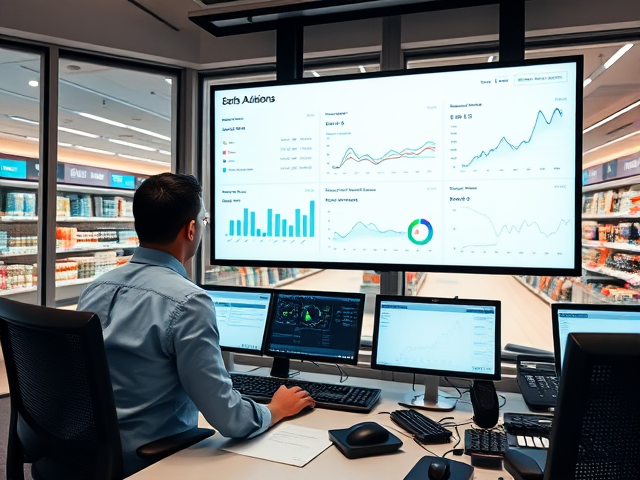
For Philippine retail chains looking to stay ahead of the competition, these insights are invaluable. The right retail queuing system does not just manage queues — it becomes a strategic asset that drives operational excellence, customer loyalty, and sustainable revenue growth.
Ready to eliminate long queues, recover lost revenue, and deliver a world-class customer experience across all your retail branches? QueueBee's retail queuing systems are purpose-built for Philippine retail chains, combining virtual queuing, real-time analytics, and multi-branch management in one powerful platform. From Metro Manila to provincial cities, QueueBee helps retail leaders turn every customer interaction into a competitive advantage. Contact us today for a personalised demo and discover how retail queuing systems can transform your business.


Security | Quality | Reliability