
Australian healthcare facilities face mounting pressure to deliver timely, high-quality care while managing increasing patient volumes and limited clinical resources. Long waiting periods in emergency departments, outpatient clinics, and diagnostic centres not only strain hospital operations but also impact patient outcomes and satisfaction. In today's fast-paced healthcare environment, traditional manual scheduling and ad-hoc queuing methods are no longer sufficient to meet modern clinical demands.
Healthcare administrators and clinical directors are increasingly turning to digital transformation to address these bottlenecks. By adopting a structured approach to patient flow management, hospitals can significantly reduce idle time, optimise staff allocation, and create a more predictable care journey. The integration of a robust patient queue software has emerged as a critical strategy for modernising hospital operations and ensuring that clinical resources are utilised efficiently.

In the Australian healthcare sector, patient wait times directly correlate with clinical outcomes, staff burnout, and institutional reputation. Prolonged delays in triage, consultation, and diagnostic services can lead to deteriorating patient conditions, increased readmission rates, and heightened stress among medical professionals. Furthermore, government funding models and healthcare benchmarks increasingly prioritise efficiency metrics, making streamlined patient flow a financial and operational imperative.
Addressing these challenges requires more than just hiring additional staff or expanding physical space. It demands a systematic overhaul of how patients are tracked, routed, and managed throughout their hospital visit. A well-implemented hospital queue management system provides the visibility and control needed to eliminate bottlenecks, ensure equitable service delivery, and maintain compliance with national healthcare standards.
Types of Patient Queuing Systems

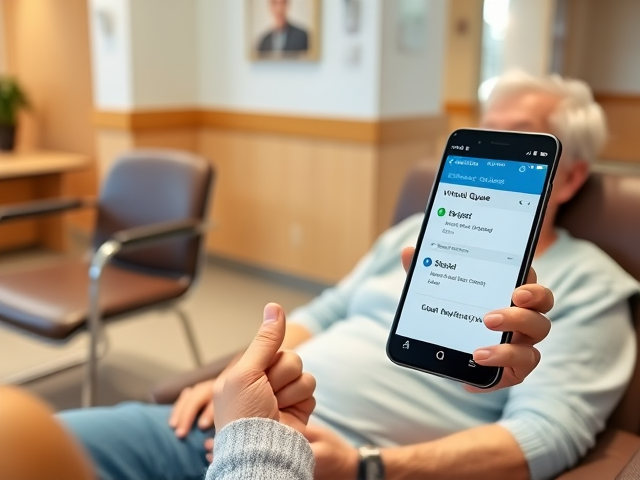
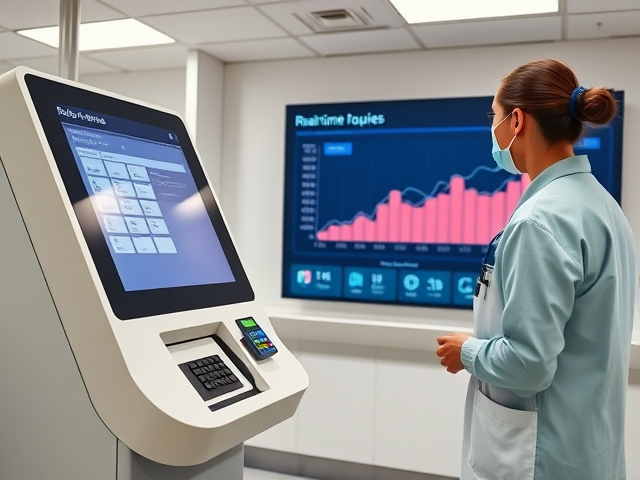
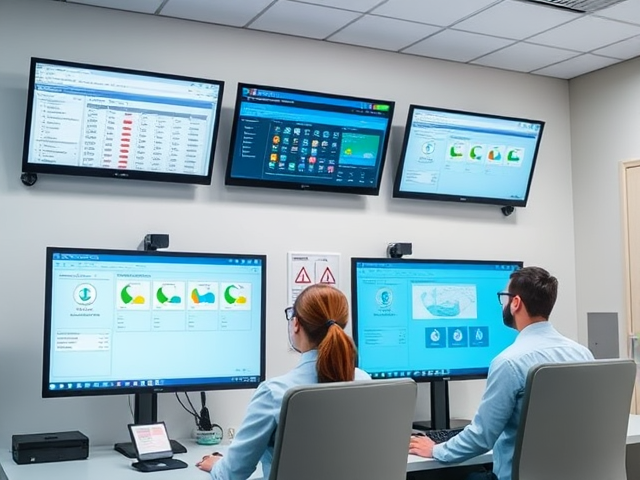
One of the most effective strategies Australian hospitals use to reduce patient waiting time is the deployment of a centralised hospital queue management system. By consolidating patient registration, triage, and department routing into a single digital platform, healthcare administrators gain real-time visibility into bed occupancy, clinician availability, and diagnostic equipment usage.
Manual tracking methods often result in fragmented data and delayed decision-making. A unified system eliminates these gaps by automatically prioritising patients based on clinical urgency, appointment status, and resource availability. This ensures that critical cases receive immediate attention while routine visits are scheduled efficiently, minimising idle time across all departments.
When integrated with existing hospital information systems, the patient queue software synchronises patient records, clinical notes, and scheduling data. This seamless connectivity reduces administrative overhead, prevents double-bookings, and allows medical staff to focus on patient care rather than logistical coordination.
Efficient triage is the cornerstone of reducing wait times in any healthcare facility. By automating the initial assessment process, hospitals can quickly categorise patients by severity and direct them to the appropriate clinical pathway without unnecessary delays. This structured approach ensures that emergency cases are prioritised while non-urgent visits are scheduled during optimal time slots.
A modern patient queue system enhances clinical routing through several key mechanisms:
By integrating these routing protocols into the hospital queue management system, healthcare providers can significantly compress the time between patient arrival and clinical assessment, leading to faster treatment cycles and improved departmental throughput.
One of the most persistent challenges in Australian healthcare is the mismatch between clinical demand and staff availability. When patient volumes spike unexpectedly, hospitals often struggle to deploy the right personnel to the right locations. A data-driven queue system resolves this by providing administrators with actionable insights into peak hours, departmental bottlenecks, and clinician workload distribution.
Effective resource management directly translates to shorter wait times and higher staff morale. When clinical teams are equipped with accurate, real-time queue data, they can operate proactively rather than reactively, ultimately enhancing the overall quality of patient care.
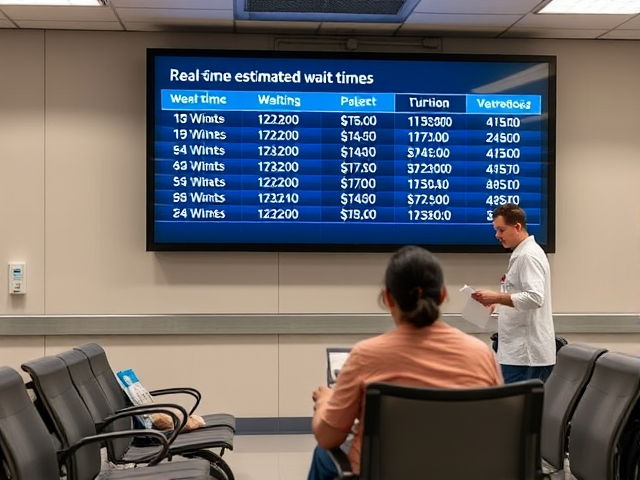
In the Australian healthcare landscape, patient satisfaction scores are increasingly tied to operational efficiency. Long, unexplained waits erode trust and contribute to negative feedback loops. By implementing a transparent patient queue system, hospitals can set clear expectations, reduce perceived wait times, and foster a more positive care environment.
Timely triage and reduced delays ensure that patients receive appropriate interventions sooner, directly impacting recovery rates and long-term health metrics.
When hospitals prioritise transparency and operational clarity, they transform the patient experience from a source of frustration into a demonstration of clinical excellence and institutional reliability.

Reducing patient waiting time is not a one-time initiative but an ongoing optimisation process. Australian hospitals that consistently improve their metrics rely heavily on data analytics to identify trends, measure performance, and refine clinical workflows. A modern patient queue software captures granular data on arrival times, consultation durations, departmental throughput, and patient drop-off rates.
These insights enable healthcare administrators to make evidence-based decisions. For example, if data reveals that radiology appointments consistently run 20 minutes over schedule, management can adjust slot durations, allocate additional technicians, or implement buffer periods. Similarly, tracking peak admission hours allows for proactive staffing adjustments, preventing systemic delays before they impact patient care.
Furthermore, predictive analytics can forecast seasonal surges, flu outbreaks, or regional health events, allowing hospitals to prepare infrastructure and personnel in advance. This proactive approach ensures that the hospital queue management system remains a dynamic tool for operational excellence rather than a static tracking mechanism.
When clinical leadership utilises queue analytics alongside electronic health records, they gain a comprehensive view of hospital performance, driving continuous improvement in both efficiency and patient outcomes.
For a patient queue system to deliver maximum value, it must integrate smoothly with existing hospital infrastructure. Australian healthcare facilities typically operate complex ecosystems comprising electronic medical records (EMR), billing platforms, diagnostic imaging systems, and pharmacy networks. A standalone queuing tool creates data silos, whereas an integrated solution ensures continuity across the entire patient journey.
QueueBee’s hospital queue management system is engineered for seamless interoperability. It connects directly with legacy HIS platforms via secure APIs, synchronising patient demographics, clinical notes, and appointment statuses in real time. This eliminates duplicate data entry, reduces administrative errors, and ensures that clinicians have immediate access to comprehensive patient profiles upon arrival.
By bridging the gap between operational scheduling and clinical documentation, integrated patient queue software transforms fragmented hospital workflows into a cohesive, efficient care delivery model.
The Australian healthcare sector is rapidly evolving, with telehealth, AI-driven diagnostics, and remote monitoring becoming standard practice. To remain competitive and compliant, hospitals must adopt queue management solutions that are adaptable, secure, and forward-compatible. Modern patient queue software leverages cloud infrastructure, mobile-first design, and intelligent automation to future-proof hospital operations.
As healthcare delivery becomes increasingly digital, hospitals that invest in intelligent queue management will lead the way in operational efficiency, patient satisfaction, and clinical excellence. The transition from manual scheduling to automated, data-driven patient flow is no longer optional—it is the foundation of modern healthcare delivery.
Ready to reduce patient waiting time and optimise clinical workflows? Discover how QueueBee’s patient queue software can streamline your hospital’s operations, enhance staff efficiency, and improve patient outcomes.
Contact us today for a personalised healthcare solution


Security | Quality | Reliability