
Long queues, overcrowded waiting rooms, and frustrated patients — these are the daily realities for many hospitals across Cambodia.
In major cities like Phnom Penh, Siem Reap, and Battambang, public and private hospitals face mounting pressure from increasing patient volumes. Traditional manual queuing methods — paper tickets, first-come-first-served lines, and verbal call-outs — simply cannot keep up with modern healthcare demands. Patients often spend hours waiting for basic consultations, lab results, or pharmacy pickups, leading to dissatisfaction, missed appointments, and even health complications.
This is where a modern patient queue software becomes essential. By digitizing the queuing process, hospitals can eliminate physical lines, reduce perceived wait times, and deliver a smoother, more professional patient experience. Implementing a hospital queue management system is no longer a luxury — it is a necessity for healthcare providers who want to stay competitive and deliver quality care.
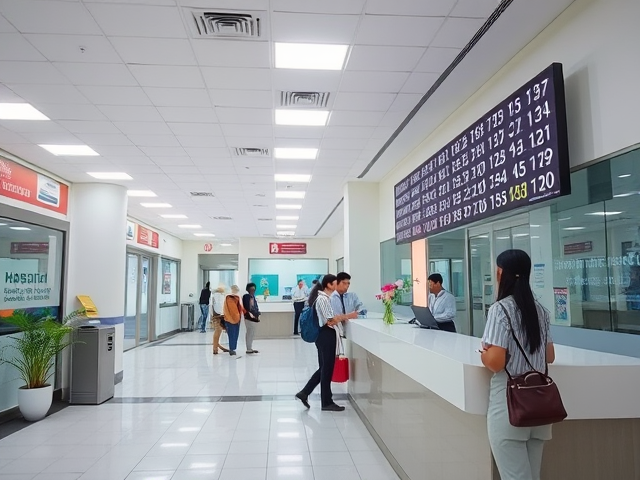
In Cambodia's rapidly growing healthcare sector, patient satisfaction is directly tied to how efficiently a hospital manages its daily operations. Long waiting times do more than frustrate patients — they damage hospital reputations, increase staff burnout, and reduce overall service quality.
Studies consistently show that patients who wait more than 15 minutes without any communication or updates are significantly more likely to leave without being seen. In a competitive market where patients have choices, hospitals that fail to address waiting time issues risk losing patients to competitors who offer a smoother, more modern experience.
A well-designed patient queue system transforms this challenge into an opportunity. By automating queue management, hospitals can reduce wait times by up to 60%, improve patient flow, and create a more organized, professional environment that builds trust and loyalty.
Types of Queue Management For Healthcare Facilities
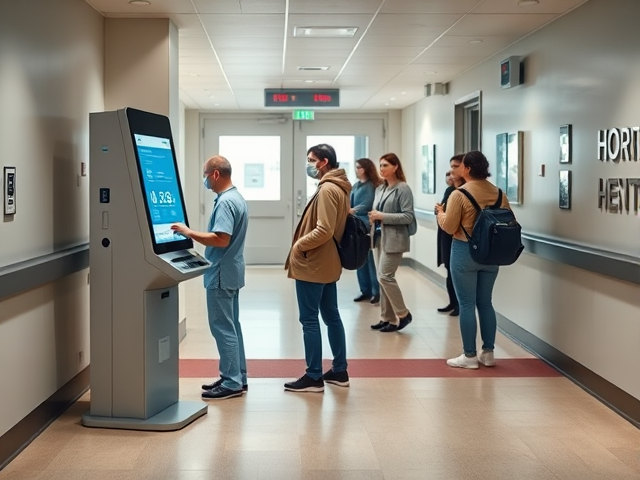

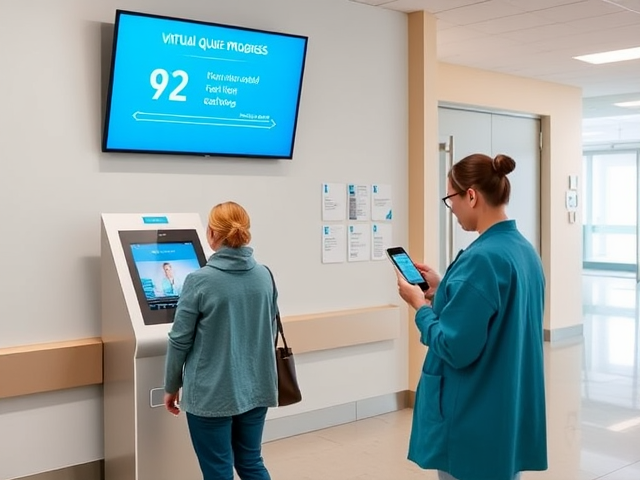

The foundation of reducing patient waiting time lies in deploying a reliable patient queue software that integrates seamlessly with hospital operations. In Cambodia, hospitals that have adopted digital queuing solutions report a dramatic reduction in physical congestion and a significant improvement in patient satisfaction scores.
A modern hospital queue management system replaces paper tickets and manual call-outs with automated digital queues. Patients receive a ticket number, an estimated wait time, and real-time notifications via SMS or WhatsApp. This transparency alone reduces anxiety and eliminates the frustration of standing in an invisible line.
For hospitals in Cambodia, the transition to a patient queue system is straightforward. QueueBee's solution requires minimal IT infrastructure, works on existing hardware, and can be deployed across multiple departments — from registration counters and consultation rooms to laboratories and pharmacies.
One of the most powerful features of a patient queue software is its ability to keep patients informed at every stage of their visit. Instead of guessing how long they will wait, patients receive automated updates that build trust and reduce stress.
Here is how real-time notifications improve the hospital experience:
By integrating seamless communication into the queuing process, hospitals create a patient experience that feels modern, respectful, and professional. This is especially important in Cambodia, where healthcare providers are competing to attract and retain patients through superior service quality.
Not all patients require the same level of urgency. A hospital queue management system with smart triage capabilities allows hospitals to categorize patients by priority — ensuring that emergency cases are seen first while routine consultations are managed efficiently.
Smart triage and priority management are essential for hospitals in Cambodia that serve diverse patient populations. By organizing patient flow intelligently, hospitals can reduce waiting time, improve clinical outcomes, and deliver a more professional healthcare experience.
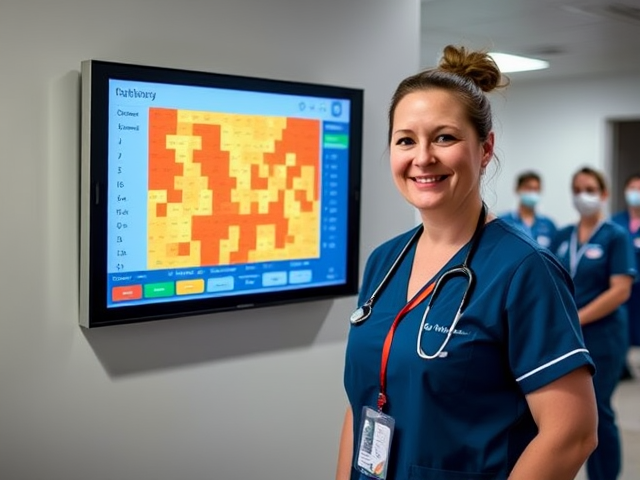
A patient queue system does more than manage patients — it empowers hospital administrators to optimize staff deployment. By analyzing queue data in real time, hospitals can identify peak hours, understaffed departments, and bottlenecks before they become critical.
Efficient staff allocation is a cornerstone of reducing patient waiting time. When combined with a robust patient queue software, hospitals can transform their operational efficiency and deliver a level of service that sets them apart from the competition.

One of the most valuable aspects of a patient queue software is the wealth of data it generates. Every queue interaction — from ticket issuance to service completion — is recorded and analyzed, providing hospital administrators with actionable insights.
Key analytics include average wait times per department, peak queue hours, staff utilization rates, patient no-show percentages, and service completion times. These metrics allow hospital managers to identify inefficiencies, forecast demand, and make informed decisions about resource allocation and process improvement.
For hospitals in Cambodia, this data-driven approach is transformative. Instead of relying on intuition or outdated practices, administrators can use real-time analytics to continuously optimize patient flow, reduce waiting time, and improve overall operational performance.
Over time, the cumulative effect of these improvements is significant. Hospitals that consistently monitor and act on queue data see sustained reductions in patient waiting time, higher staff productivity, and improved patient satisfaction ratings.
Long patient queues are not just a service problem — they are a financial one. Every patient who walks away from a hospital due to excessive waiting time represents lost revenue. Every hour staff spend managing disorganized queues is an hour not spent on patient care.
A hospital queue management system addresses both issues directly:
The financial return on investment for a patient queue software implementation is typically realized within the first few months. For hospitals in Cambodia, the combination of reduced costs, increased revenue, and improved patient satisfaction makes queue management one of the most impactful operational upgrades a hospital can make.
Among the many patient queue software options available, QueueBee stands out as the ideal solution for hospitals in Cambodia. Designed specifically for healthcare environments, QueueBee's hospital queue management system offers features that address the unique challenges of Cambodian hospitals.
For hospitals in Cambodia looking to reduce patient waiting time, improve service quality, and stay competitive in a growing healthcare market, QueueBee's patient queue system is the proven solution. With thousands of hospitals worldwide already benefiting from QueueBee's technology, Cambodian hospitals can join the ranks of modern, efficient healthcare providers.
Hospitals in Cambodia have a unique opportunity to transform patient care by implementing a modern patient queue software. By reducing wait times, improving communication, and optimizing staff allocation, hospitals can deliver a level of service that builds trust, retains patients, and drives growth.
QueueBee's hospital queue management system is designed specifically for healthcare environments and is trusted by hospitals across Asia. Ready to see how QueueBee can reduce patient waiting time at your hospital?
Contact us today for a personalized demo and consultation.

Security | Quality | Reliability