
Every day, thousands of patients walk through the doors of public and private hospitals across Malaysia, hoping for timely medical attention. Yet, long waiting times remain one of the most persistent challenges in the country's healthcare system. From crowded emergency departments to delayed specialist consultations, patients and their families often spend hours — sometimes half a day — simply waiting for care.
This is not just an inconvenience. Prolonged waiting times lead to worsened health outcomes, increased patient frustration, and overwhelmed medical staff. For hospital administrators, the problem is equally pressing: inefficient patient flow drives up operational costs, reduces bed turnover, and damages the reputation of even the most well-equipped facilities.
The solution lies in modern technology. Hospitals in Malaysia are increasingly turning to patient queue software to transform how they manage patient flow, reduce waiting times, and deliver a smoother healthcare experience for everyone involved.
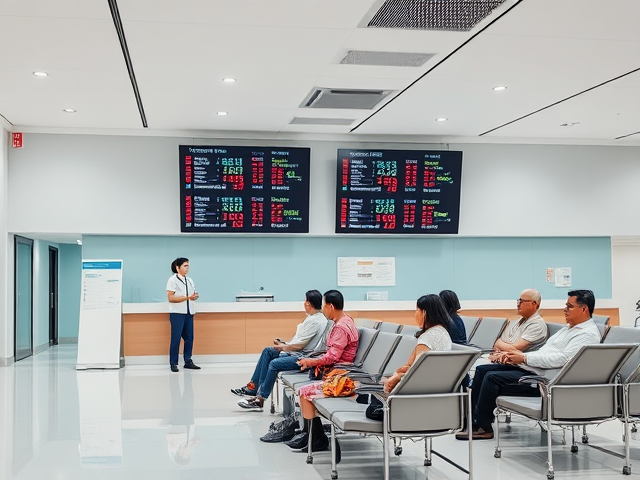
In Malaysia's healthcare landscape, the gap between patient demand and available resources continues to widen. Public hospitals handle millions of outpatient visits annually, while private facilities face rising expectations for speed and convenience. When patients wait too long, the consequences ripple through the entire system.
Extended waiting periods increase the risk of patient deterioration, especially in emergency and urgent care settings. They also contribute to higher rates of patients leaving without being seen — a costly outcome for hospitals that lose both revenue and trust. For medical staff, managing chaotic waiting areas adds unnecessary stress and diverts attention from critical care.
This is why reducing patient waiting time has become a top priority for hospital administrators, clinic managers, and healthcare policymakers across the country. The right hospital queue management system can address these challenges head-on by bringing order, visibility, and efficiency to patient flow.
A modern patient queue system replaces manual ticketing and chaotic waiting areas with a structured, technology-driven approach. Here are the core methods hospitals use:
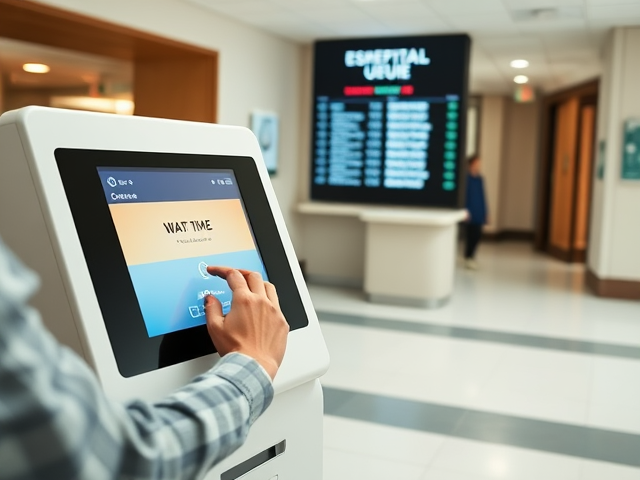
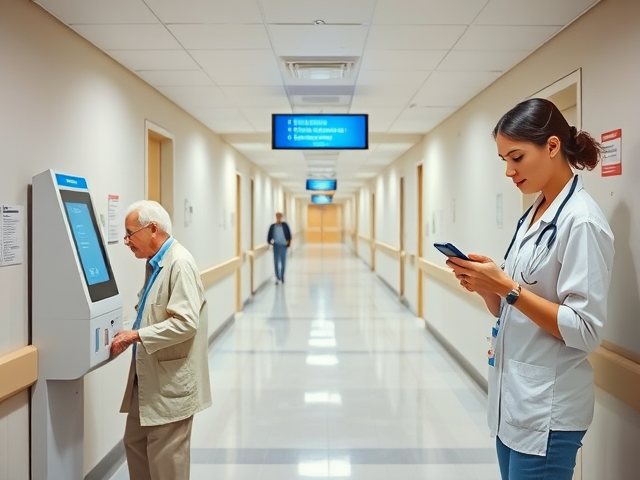
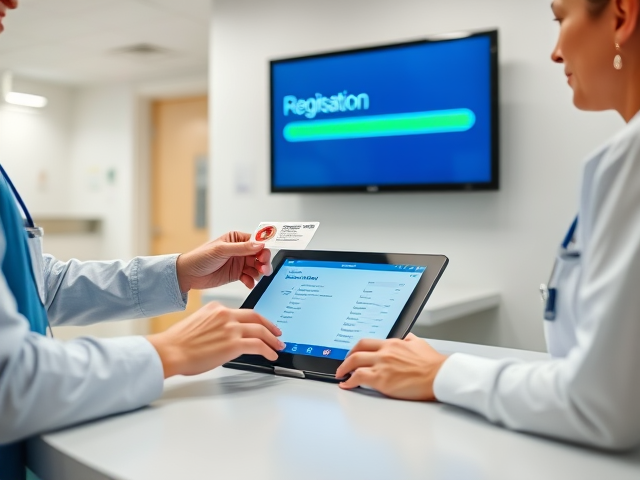
One of the biggest bottlenecks in Malaysian hospitals is the registration desk. Patients arrive, fill out paper forms, wait for staff to enter data, and then join a physical queue. This entire process can take 20 to 40 minutes before a patient even sees a doctor.
By implementing patient queue software, hospitals automate registration through digital kiosks, mobile check-in, and pre-arrival forms. Patients can register online before arriving at the hospital, and upon arrival, they are instantly placed in the queue with a clear wait-time estimate. This alone can cut initial waiting time by up to 60 percent.
Hospitals that have adopted this approach report smoother front-desk operations, fewer errors in patient data entry, and significantly reduced congestion at registration counters. The patient queue software acts as the central nervous system, directing every patient to the right department at the right time.
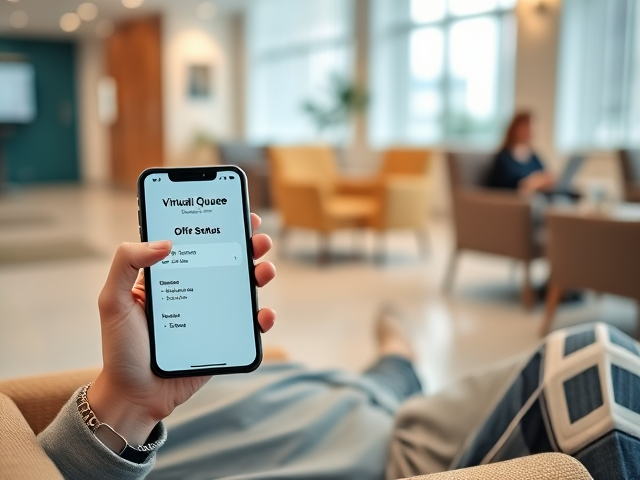
Uncertainty is the enemy of patience. When patients do not know where they stand in the queue or how long they will wait, anxiety builds and frustration grows. A modern patient queue system eliminates this uncertainty by providing real-time visibility into every stage of the patient journey.
Here is how real-time tracking transforms the hospital experience:
When patients feel informed and in control, their perceived waiting time drops dramatically. A hospital queue management system that communicates proactively turns a stressful wait into a manageable, transparent experience.
Even the best patient queue software cannot help if the right staff are not available at the right time. In many Malaysian hospitals, peak patient loads do not align with staff schedules, leading to bottlenecks during busy hours and idle time during lulls.
When staff allocation is aligned with actual patient demand, hospitals can process more patients per hour without overworking their teams. This is one of the most impactful ways patient queue software reduces waiting time at scale.
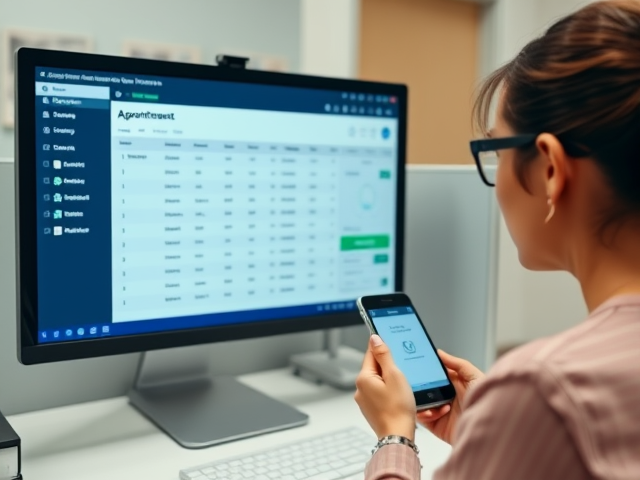
Missed appointments are a silent killer of hospital efficiency. When patients fail to show up for scheduled slots, those time slots go wasted, and the remaining patients face longer waits. In Malaysian hospitals, no-show rates can reach 15 to 20 percent, creating significant inefficiency.
By combining appointment scheduling with a hospital queue management system, Malaysian hospitals can maximize every available slot, reduce idle time, and ensure that patients who do show up are seen promptly.

Long waiting times do more than inconvenience patients — they erode trust in the healthcare system. In Malaysia, where word-of-mouth and online reviews heavily influence hospital choice, a reputation for slow service can drive patients to competitors.
When hospitals implement patient queue software, the improvement in patient satisfaction is immediate and measurable. Patients appreciate transparency, predictability, and respect for their time. They are more likely to return, recommend the hospital to family and friends, and comply with follow-up care instructions.
For hospital administrators, the data from a patient queue system also reveals patterns that were previously invisible. Which departments are consistently overbooked? Which time slots cause the longest waits? Which doctors have the highest patient turnover? These insights enable continuous improvement and strategic decision-making.
Ultimately, reducing patient waiting time is not just an operational goal — it is a patient care imperative. A well-managed queue system ensures that every patient receives timely, respectful, and efficient healthcare.
Reducing patient waiting time is not only a service improvement — it is a financial necessity. Long queues cost hospitals in multiple ways: lost revenue from walk-away patients, overtime pay for overworked staff, and the administrative burden of managing chaotic waiting areas.
A modern patient queue system addresses these costs directly:
Hospitals across Malaysia that have adopted patient queue software report an average reduction in operational costs of 25 to 40 percent within the first year. The return on investment is clear: better patient experience, happier staff, and a healthier bottom line.
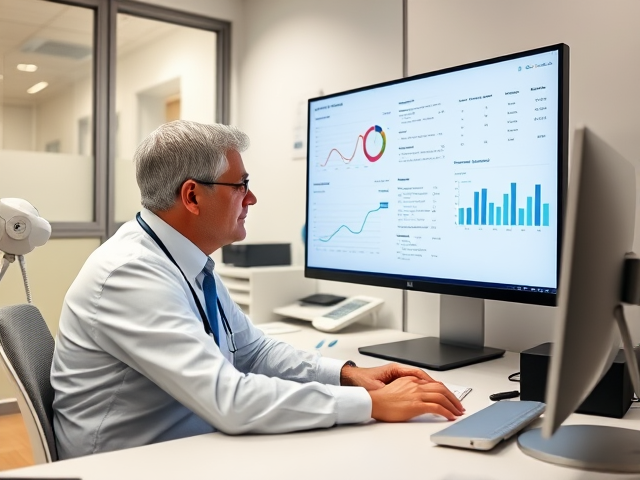
The most powerful advantage of patient queue software is the wealth of data it generates. Every queue interaction, wait time, and department visit is recorded, creating a rich dataset that hospital administrators can use to make smarter decisions.
With actionable insights at their fingertips, hospital administrators in Malaysia can continuously refine their operations, reduce patient waiting time further, and maintain a competitive edge in an increasingly demanding healthcare market.
Among the many patient queue software providers available, QueueBee stands out as the preferred choice for hospitals and clinics across Malaysia. Here is why healthcare institutions trust QueueBee to manage their patient flow:



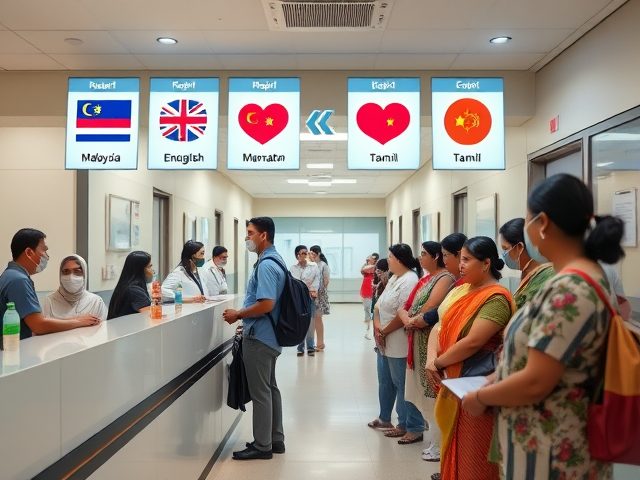
Hospitals in Malaysia are no longer willing to accept long patient waiting times as the norm. With patient queue software from QueueBee, you can transform your hospital's patient flow, reduce wait times by up to 70 percent, and deliver a healthcare experience that patients will trust and recommend.
Contact us today for a personalised patient queue management solution tailored to your hospital's needs.


Security | Quality | Reliability