
Walking into a public hospital in Metro Manila during peak hours is an experience no patient wants to forget. The long corridors filled with anxious families, the murmurs of frustration, and the overwhelming sight of hundreds of people waiting for basic medical consultations paint a troubling picture of the Philippine healthcare system. For many Filipinos, a hospital visit is already a stressful ordeal — and the last thing anyone needs is to spend hours standing in line just to see a doctor for a few minutes.
According to healthcare industry reports, the average patient in a Philippine hospital spends between two to four hours waiting before receiving actual medical attention. In overcrowded government hospitals, this wait can stretch even longer. During the post-pandemic surge, some patients reported waiting up to six hours just for a routine check-up. This is not just an inconvenience; it is a critical issue that affects patient outcomes, staff morale, and the overall reputation of healthcare institutions across the country.
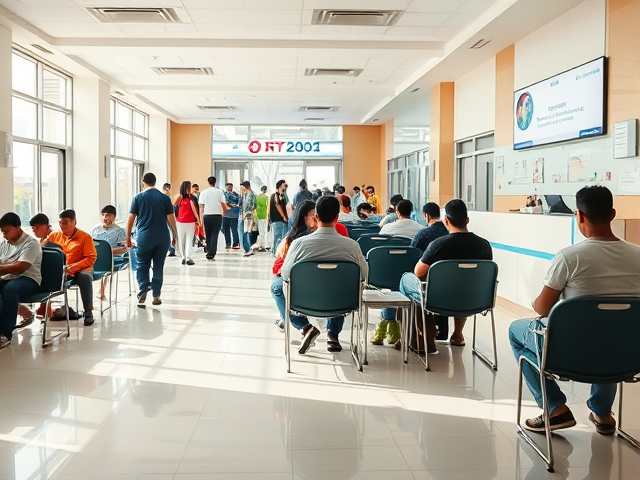
The Philippines faces a unique set of challenges in healthcare delivery. With a population exceeding 115 million and a relatively low doctor-to-patient ratio, hospitals are constantly overwhelmed. Government-funded hospitals like the Philippine General Hospital, St. Luke's Medical Center, and regional medical centers in Luzon, Visayas, and Mindanao struggle to manage the sheer volume of daily patients.
Long waiting times do more than frustrate patients. They lead to delayed diagnoses, worsened health conditions, and in severe cases, preventable deaths. For working Filipinos, hours spent in hospital queues mean lost wages and missed workdays. For elderly patients and those with chronic illnesses, the physical strain of waiting can be dangerous. The problem is so widespread that it has become a national concern, prompting hospital administrators and healthcare policymakers to seek technological solutions.
How Hospitals Are Approaching The Problem
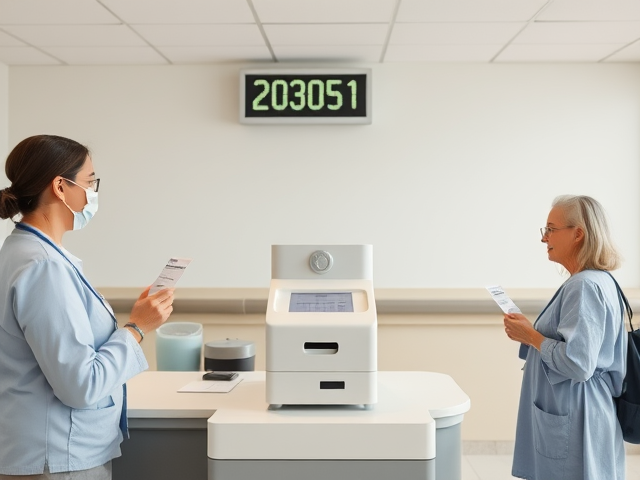

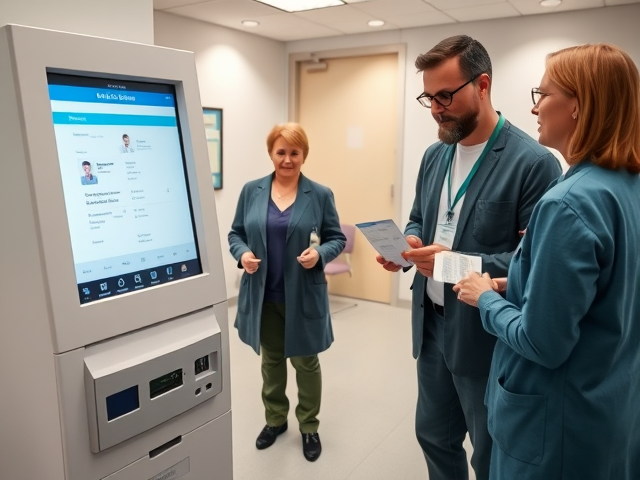
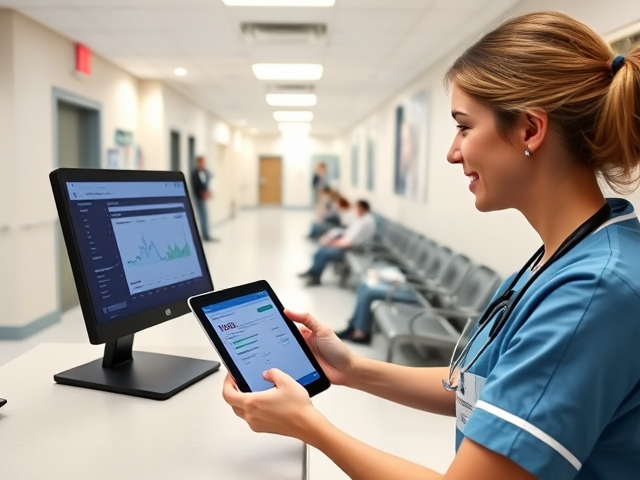
At the heart of every hospital's effort to reduce patient waiting time is the implementation of patient queue software. This technology replaces the outdated manual registration process with a streamlined digital system that manages patient flow from the moment they arrive at the hospital to the moment they leave.
Modern patient queue software allows hospitals to assign digital tokens, prioritize patients based on urgency, and distribute them across different departments efficiently. In the Philippines, where hospitals serve thousands of patients daily, this level of automation is no longer optional — it is essential. Hospitals that have adopted patient queue software report a reduction in average wait times by up to 60 percent, transforming the patient experience from a frustrating ordeal into a smooth, predictable process.
The impact extends beyond convenience. When patients know exactly when they will be seen, they are less likely to leave the hospital without being treated. This reduces the number of missed appointments and ensures that critical medical care reaches those who need it most. For hospital administrators, patient queue software provides real-time visibility into patient flow, enabling better resource allocation and staff management.
One of the most powerful features of a hospital queue management system is its ability to keep patients informed at every stage of their visit. In the Philippines, where many patients travel long distances to reach hospitals, being kept in the dark about their status in the queue is a major source of anxiety and frustration.
A well-designed patient queue system sends automated notifications through multiple channels:
By integrating seamless communication into the queuing process, hospitals in the Philippines are transforming the patient experience. Whether it's through a mobile app, digital displays, or automated notifications, patients stay informed and engaged. This not only smooths out the waiting experience but also reinforces the hospital's commitment to patient care — turning a potentially stressful wait into a transparent and manageable process.
In a hospital setting, not all patients require the same level of urgency. A hospital queue management system equipped with smart triage capabilities ensures that critical cases are prioritized while non-urgent patients are managed efficiently. This is especially important in Philippine hospitals, where emergency cases must be handled without delay.
Efficient crowd management is vital for any healthcare institution. It's not just about guiding people; it's about creating an orderly, comfortable environment where patients feel respected and cared for. This approach doesn't just solve logistical issues — it enhances the entire patient experience, making hospital visits smoother and more dignified for Filipinos who rely on these services every day.

In the competitive landscape of Philippine healthcare, patient experience is becoming a key differentiator. Hospitals that invest in patient queue software are not just reducing wait times — they are fundamentally improving the quality of healthcare delivery. Here's how a hospital queue management system elevates the patient experience:
Effective patient service is a continuous journey of understanding and responding to patient needs. Implementing a robust patient queue software is a powerful step in this journey, ensuring that every hospital visit counts towards building a strong, lasting relationship between the patient and the healthcare institution.

Consider the daily reality of a nurse or doctor in a busy Philippine hospital. They are not only responsible for treating patients but also for managing chaotic queues, answering repetitive questions about wait times, and dealing with frustrated families. This constant pressure takes a toll on staff morale and can lead to burnout, which ultimately affects the quality of patient care.
When a hospital queue management system is in place, much of this burden is lifted. Staff no longer need to manually manage ticket distribution or field endless inquiries about queue status. The system handles the logistics, allowing medical professionals to focus on what they do best — providing quality healthcare.
This is where patient queue software makes a world of difference. By automating the queuing process and keeping patients informed, hospitals can significantly reduce the stress on their staff. No more dealing with the frustration of patients caught in long, unmanaged lines.
Imagine a hospital where patients know exactly what to expect and when. They are less likely to take out their frustration on staff because they are not caught in an endless loop of uncertainty. This kind of transparency doesn't just help patients; it takes a load off the staff too.
And when staff aren't constantly putting out fires caused by long waits and poor communication, they are free to do what they do best: provide outstanding patient care. They can focus on enhancing the patient experience, personalizing interactions, and really connecting with patients. This not only improves morale among the medical team but also elevates the overall quality of healthcare delivery.
In the Philippine healthcare sector, operational costs are a constant concern. Long, unmanaged queues not only escalate operational costs but also lead to lost revenue and wasted resources. When patients leave without being treated, the hospital loses both immediate revenue and potential long-term patients.
A well-implemented hospital queue management system addresses these challenges directly:
The impact of patient queue software on hospital operations can be substantial. By improving productivity and efficiency, it opens the door to significant operational cost savings. Hospitals that have adopted this technology report up to 90 percent reduction in operational inefficiencies related to queue management, allowing them to redirect resources toward improving patient care.
Modern patient queue software does more than just manage lines; it provides valuable data across the entire patient journey. This data is key to making smarter, more informed decisions in hospital management.
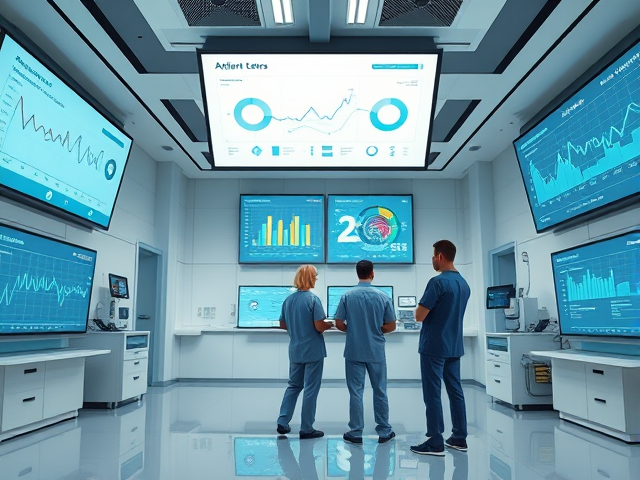
The healthcare landscape in the Philippines is evolving rapidly. With the Department of Health pushing for digital transformation in healthcare facilities and the growing adoption of telemedicine, the integration of patient queue software is becoming a standard expectation rather than a luxury.
Looking ahead, several trends will shape the future of hospital queue management in the Philippines:
Hospitals that embrace these innovations early will be well-positioned to lead the next wave of healthcare excellence in the Philippines. The adoption of patient queue software is not just about reducing wait times — it is about building a healthcare system that is efficient, patient-centered, and future-ready.
Hospitals in the Philippines are facing unprecedented pressure to deliver faster, more efficient healthcare. QueueBee's patient queue software is designed to help hospitals reduce patient waiting time, improve staff efficiency, and elevate the overall patient experience. From virtual queuing and real-time notifications to smart triage and data-driven insights, QueueBee provides a comprehensive hospital queue management system tailored for the Philippine healthcare landscape. Ready to transform your hospital's patient flow? Contact QueueBee today for a personalized solution.


Security | Quality | Reliability