
Walk into any Department of Veterans' Affairs centre, Services Australia branch, or state-level registry office on a typical Tuesday morning and you will see the same scene: citizens standing in long, winding queues, clutching numbered tickets, wondering how much longer the wait will be. For decades, this has been the unspoken reality of public service delivery across Australia. Citizens expect timely, respectful treatment from government agencies, yet the traditional queuing model simply cannot keep pace with growing demand.
What makes this challenge even more pressing is that public sector offices often experience unpredictable surges in foot traffic. A policy announcement, a deadline for a government grant, or a change in eligibility criteria can send visitor numbers skyrocketing overnight. Without the ability to anticipate these spikes, agencies are left reacting rather than managing proactively. This is where a predictive queuing system changes everything, shifting government offices from a reactive posture to a data-driven, forward-looking approach that genuinely improves the customer experience for every Australian who walks through the door.
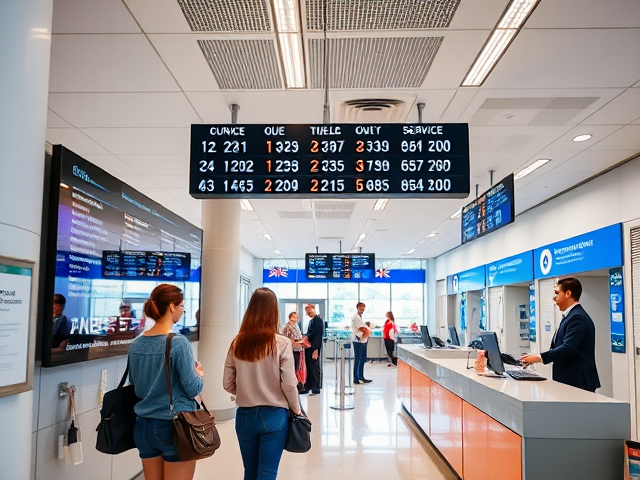
Australia's public service landscape is under constant pressure. Government agencies are expected to deliver faster, more transparent, and more accessible services while managing tight budgets and limited staffing resources. Traditional queue management relies on first-come-first-served logic, which means that when visitor numbers spike, wait times balloon and frustration follows. In the public sector, where citizens often have little choice but to visit in person, this dynamic is particularly damaging to trust and satisfaction.
A predictive queuing system addresses this by analysing historical visit patterns, seasonal trends, and real-time data to forecast demand before it happens. This allows agencies to prepare staff rosters, open additional service counters, and even send proactive notifications to citizens about optimal visit times. The result is a smarter, more responsive public service that genuinely puts the customer experience at the forefront.
How A Smart Queue System Works In Practice


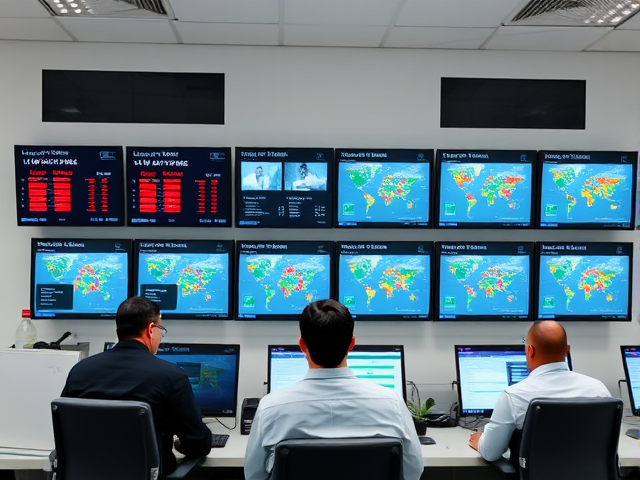
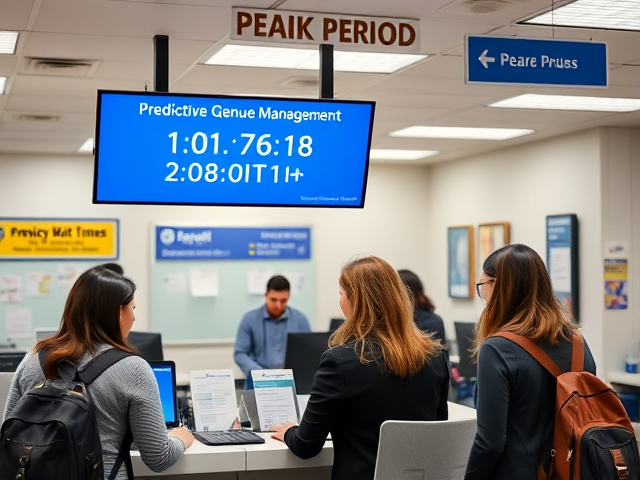
In the Australian public sector, wait times are not just an inconvenience; they are a barrier to access. Citizens visiting Medicare centres, passport offices, or state revenue departments often travel significant distances, take time off work, and arrive with urgent needs. When a queuing system can predict that a particular office will see a 40 per cent surge in visitors on a given day, agency managers can take action before the queue even forms.
This might mean scheduling additional staff shifts, preparing overflow service counters, or even sending targeted SMS and email notifications to citizens advising them to visit during off-peak hours. By acting on predictive intelligence rather than reacting to visible queues, government agencies dramatically reduce average wait times and improve the overall customer experience for every Australian who relies on public services.
A predictive queuing system transforms wait time management from a guessing game into a precise operational discipline. Instead of citizens standing in line for 45 minutes or more, agencies can ensure that service delivery matches demand in real time, keeping queues short and satisfaction high.
One of the most persistent challenges in Australian government offices is the mismatch between available staff and actual visitor demand. Agencies often operate with fixed rosters that do not account for fluctuating foot traffic. A predictive queuing system eliminates this inefficiency by providing managers with clear, data-backed recommendations on how many staff members are needed at each service point and when.
The benefits of this approach are substantial:
By integrating predictive queue management into daily operations, Australian public sector agencies can ensure that their most valuable asset, their people, are deployed where they are needed most. This not only improves the customer experience but also strengthens operational resilience across the entire service network.
Transparency is a cornerstone of public trust. When citizens visit a government office, they deserve to know exactly how long they will wait, where they should go, and what to expect. A predictive queuing system enhances communication by providing real-time queue updates and proactive notifications that keep citizens informed throughout their visit.
These communication enhancements do more than just reduce frustration; they demonstrate that the government values citizens' time and respects their need for clarity. In an era where digital expectations are high, a smart queue system that delivers proactive, transparent communication is essential for maintaining public trust and satisfaction.
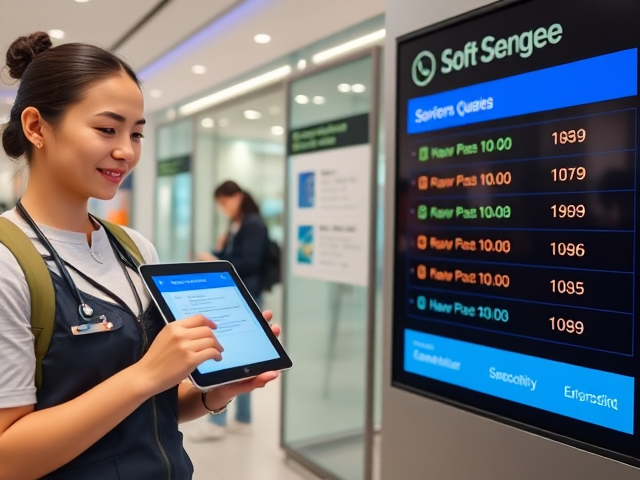
Efficiency in the public sector is not merely a cost-saving exercise; it is a matter of service quality and accessibility. When queues are managed reactively, agencies waste valuable resources on manual crowd control, ad-hoc staffing adjustments, and crisis management. A predictive queuing system eliminates this chaos by providing a structured, data-driven framework for managing customer flow across all government service points.
The cumulative effect of these efficiencies is a public service that operates smoothly, reliably, and consistently. Citizens receive the support they need without unnecessary delays, and agencies can demonstrate measurable improvements in service delivery performance to both the public and government oversight bodies.
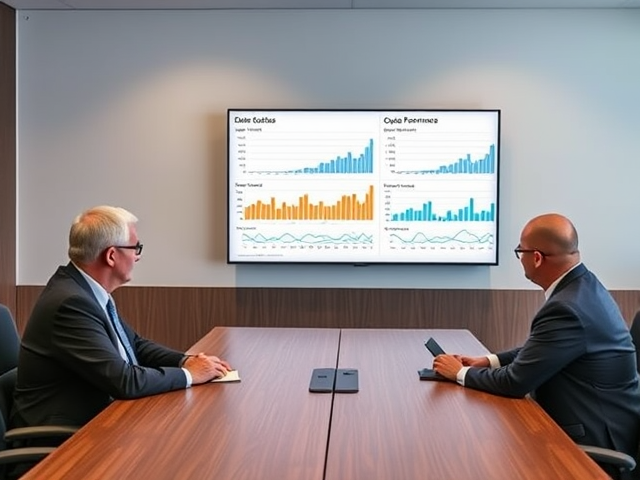
One of the most powerful advantages of a predictive queuing system is the depth of data it generates. Every queue interaction, every wait time, every peak hour, and every service point performance metric is captured and analysed. This data becomes an invaluable asset for government agencies seeking to continuously improve their operations.
With access to comprehensive queue analytics, agency leaders can answer critical questions: Which services experience the longest waits? Which time slots are consistently overcrowded? How do seasonal trends affect different departments? The answers to these questions inform everything from staffing budgets to infrastructure investments to policy communication strategies.
A predictive queuing system does not simply collect data; it translates it into actionable intelligence. For example, if the system reveals that the passport application counter consistently experiences a 60-minute average wait time on the first Friday of every month, management can proactively schedule additional staff or extend operating hours on that specific day. This level of precision is impossible to achieve with traditional queue management approaches.
Furthermore, the data generated by a smart queue system supports accountability and transparency. Government agencies can report on queue performance metrics to parliament, auditors, and the public, demonstrating a clear commitment to efficient, citizen-focused service delivery. In an environment where public scrutiny is intense, this data-driven transparency is both a practical tool and a reputational asset.
The customer experience in the public sector is fundamentally different from the private sector. Citizens do not have the option to simply walk away and choose a competitor when a government office is overcrowded or inefficient. They must navigate the system as it exists. This reality makes the quality of the queue experience all the more critical, because it directly shapes citizens' perception of government competence and empathy.
A predictive queuing system elevates the citizen experience in several profound ways:
By implementing a predictive queuing system, Australian government agencies demonstrate a genuine commitment to citizen-centric service delivery. This is not merely a technological upgrade; it is a statement of values that places the customer experience at the heart of public service reform.
Australia's public sector is at a crossroads. Citizens increasingly expect the same level of convenience and efficiency from government services that they receive from the private sector. Digital transformation is no longer optional; it is a necessity for maintaining public trust and operational viability.
Ready to revolutionise customer flow across your government offices? Discover how QueueBee's predictive queuing system can reduce wait times, optimise staff allocation, and elevate the customer experience for every Australian who accesses public services.
Contact us today for a personalised solution


Security | Quality | Reliability