
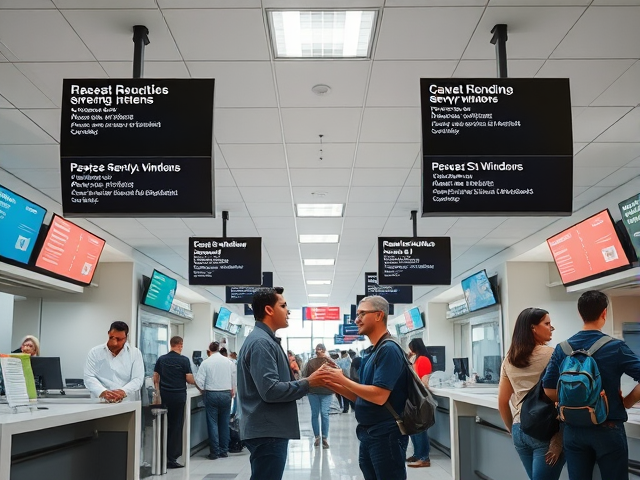
Walk into any government service centre, immigration office, or public hospital and you will likely encounter the same scene: long lines, frustrated citizens, and overwhelmed staff. In the public sector, where service delivery directly impacts citizen trust and satisfaction, inefficient queuing is more than an inconvenience — it is a systemic problem that demands a smarter solution.
Traditional queuing methods rely on first-come-first-served logic, manual ticketing, and reactive staff deployment. These approaches fail to account for fluctuating demand, peak-hour surges, or the varying complexity of citizen requests. The result is unpredictable wait times, overcrowded service areas, and declining customer experience across public institutions.

Public sector organisations serve millions of citizens daily, often with limited resources and rigid operational frameworks. Unlike the private sector, where customers can simply walk away and choose a competitor, citizens have no alternative but to endure long waits for essential services. This makes the customer experience in public service delivery uniquely challenging.
A predictive queuing system addresses this gap by using historical data, real-time analytics, and machine learning algorithms to forecast demand before it happens. Instead of reacting to queues after they form, government offices can anticipate congestion, redistribute staff proactively, and guide citizens to the most appropriate service channels. The outcome is a smarter queue system that reduces friction, improves transparency, and restores confidence in public institutions.
Core Components of a Smart Queue System
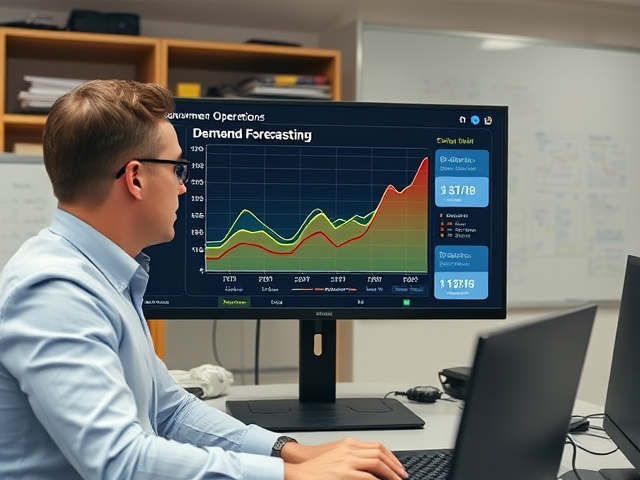
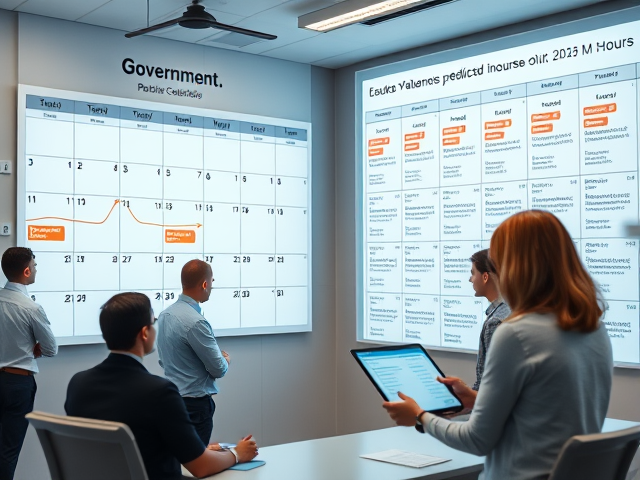
One of the most persistent challenges in public sector queuing is the inability to anticipate surges in citizen visits. Government offices often experience predictable spikes — such as tax filing periods, renewal deadlines, or holiday-related backlogs — that overwhelm existing capacity.
A predictive queuing system eliminates this blind spot by identifying patterns in historical data and forecasting future demand with high accuracy. When the system predicts a surge, administrators can activate additional service counters, deploy extra staff, or redirect citizens to alternative service channels before congestion materialises. This proactive approach transforms queue management from reactive firefighting into strategic resource planning.
The impact on customer experience is immediate. Citizens no longer face unexpected overcrowding or arbitrary wait times. Instead, they receive accurate service estimates, experience smoother entry into the facility, and perceive the public sector as more responsive and organised.
Long wait times are the single biggest driver of citizen dissatisfaction in public service delivery. Studies consistently show that perceived wait time is often longer than actual wait time, and that uncertainty about how long a queue will last amplifies frustration. A smart queue system tackles both the reality and the perception of waiting.
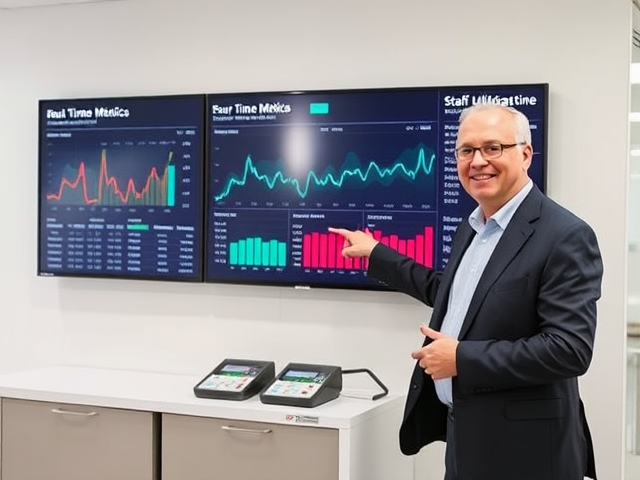
By leveraging real-time analytics, the queuing system continuously monitors service completion rates, officer productivity, and queue depth. It then dynamically adjusts ticket issuance, prioritises urgent cases, and balances workload across available staff. This results in:
Together, these improvements create a queuing system that does more than manage lines — it actively enhances the customer experience by making waiting predictable, manageable, and respectful of citizens' time.
Public sector offices often operate with fixed staffing schedules that do not align with fluctuating citizen demand. Officers may be idle during low-traffic periods while simultaneously being stretched thin during peak hours. This misalignment is a direct consequence of static workforce planning and the absence of predictive intelligence.
When staff allocation is driven by predictive analytics rather than guesswork, public sector offices achieve higher throughput without increasing headcount. This efficiency gain directly translates into shorter queues, faster service, and a more positive customer experience for every citizen who walks through the door.

In the public sector, the citizen is both the customer and the stakeholder. A poor queuing experience does not merely inconvenience an individual — it erodes trust in government institutions and diminishes the perceived legitimacy of public services. A predictive queuing system restores confidence by delivering a seamless, respectful, and transparent service journey.
When a queuing system is designed with the citizen at its centre, it ceases to be a mere operational tool and becomes a bridge between government and the public. The result is a customer experience that is predictable, dignified, and efficient — qualities that every public sector institution should strive to deliver.
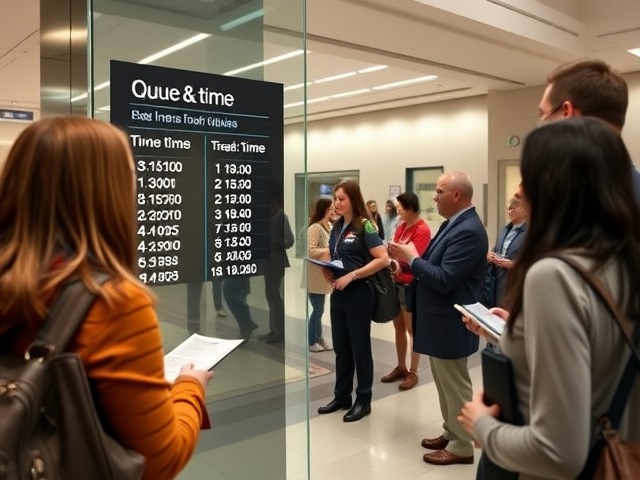
One of the most damaging aspects of traditional queuing in the public sector is the lack of transparency. Citizens often feel that queues are managed arbitrarily, that certain individuals receive preferential treatment, and that there is no accountability for delays. This perception fuels frustration and damages the relationship between the public and government institutions.
A predictive queuing system restores transparency by providing every citizen with the same clear, data-driven information. Queue positions are assigned algorithmically, wait times are calculated objectively, and service progression is visible to all. This level of openness eliminates suspicion, reduces complaints, and demonstrates that the public sector is committed to fair and equitable service delivery.
Furthermore, when citizens can see that the system is working efficiently — that queues are moving, that staff are deployed effectively, and that their turn is approaching — their trust in the institution grows. Trust is not built through promises; it is built through consistent, visible performance. A smart queue system delivers exactly that.
And when citizens perceive fairness and efficiency, they are more likely to engage with public services willingly, comply with regulations proactively, and view the government as a partner rather than an obstacle.
Public sector decision-making has long been constrained by limited visibility into citizen behaviour and service patterns. Without accurate data, administrators cannot justify budget requests, optimise staffing, or design effective public campaigns. A predictive queuing system closes this data gap by capturing comprehensive metrics across every interaction.
Over time, this data accumulates into a powerful intelligence asset. Public sector leaders can use these insights to justify infrastructure investments, redesign service workflows, and implement policy changes that are grounded in evidence rather than assumption. The queuing system thus becomes not just an operational tool, but a strategic asset for modernising government service delivery.
The public sector is undergoing rapid digital transformation. Citizens increasingly expect the same level of convenience, speed, and personalisation from government services as they receive from private sector companies. A predictive queuing system positions public institutions to meet this expectation by embedding intelligence, automation, and scalability into the core of service delivery.
The future of public service delivery will be defined by institutions that anticipate citizen needs rather than react to them. A predictive queuing system is not a luxury — it is a necessity for any government that wants to remain relevant, efficient, and trusted in an increasingly digital world.
The benefits of a predictive queuing system are not theoretical. Public sector organisations around the world have already implemented smart queue systems and documented measurable improvements in service delivery, citizen satisfaction, and operational efficiency.
These examples demonstrate that a predictive queuing system is not confined to a single industry or use case. Whether managing citizen visits to government offices, healthcare facilities, or regulatory agencies, the smart queue system delivers consistent, measurable improvements in customer experience and operational efficiency.
Adopting a predictive queuing system in the public sector requires careful planning, stakeholder alignment, and phased execution. Here is a practical roadmap that government offices can follow to ensure a smooth and successful deployment:
Following this structured approach ensures that the predictive queuing system delivers maximum value from day one and scales effectively across the entire public sector organisation. The result is a transformed customer experience that citizens can feel and a more efficient, data-driven public service ecosystem.
Ready to revolutionise customer flow in your government offices? Discover how QueueBee's predictive queuing system and smart queue system can transform your public sector operations, reduce wait times, and elevate the customer experience for every citizen.
Contact us today for a personalised solution


Security | Quality | Reliability