
Malaysia's public sector agencies handle millions of citizen interactions daily, from government service centers to healthcare facilities and immigration offices. Traditionally, managing these high-volume footfalls relied on manual ticketing and first-come-first-served counters, which often resulted in unpredictable bottlenecks and frustrated visitors. Today, forward-thinking agencies are shifting toward a predictive queuing system that leverages historical data, real-time analytics, and artificial intelligence to anticipate demand before it peaks.
By forecasting arrival patterns and dynamically adjusting staffing levels, a smart queue system ensures that resources are deployed exactly where they are needed. This proactive approach not only smooths out operational peaks but also fundamentally elevates the customer experience for every Malaysian citizen walking through the doors. The result is a more transparent, efficient, and citizen-centric public service environment.
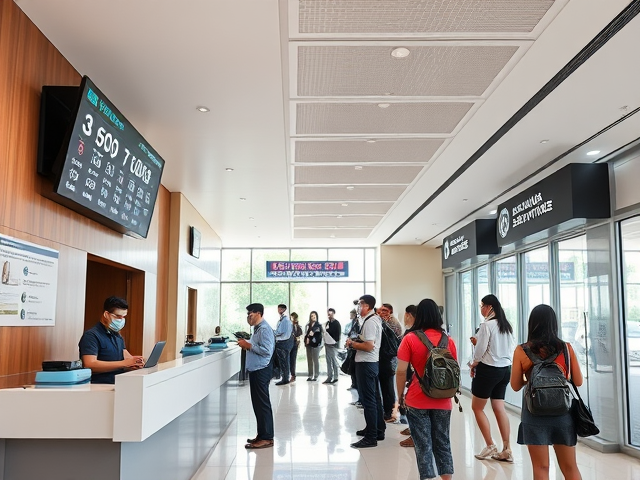
Public service centers in Malaysia operate under intense pressure to deliver timely, accessible, and equitable services. When queues become unpredictable, citizens face extended wait times, staff burnout, and declining trust in government efficiency. A predictive queuing system addresses these pain points by transforming reactive crowd control into proactive resource planning.
This shift is crucial because modern citizens expect digital-age convenience even when accessing traditional government services. By implementing intelligent queue forecasting, agencies can maintain consistent service quality, reduce physical congestion in public buildings, and ensure that critical departments remain fully operational during peak periods without compromising the customer experience.
Key Elements That Drive Smart Queue Management
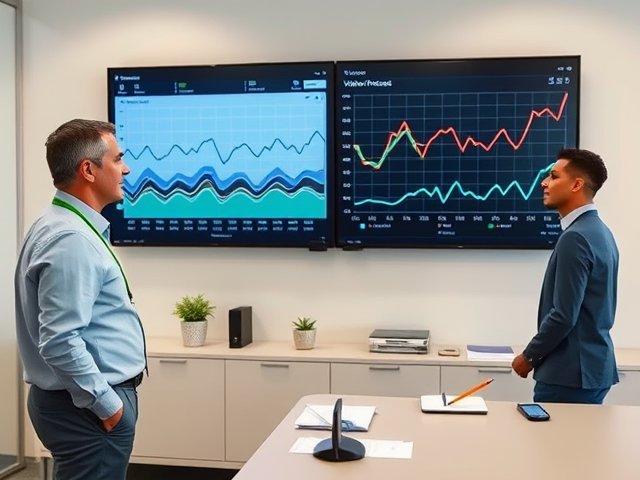
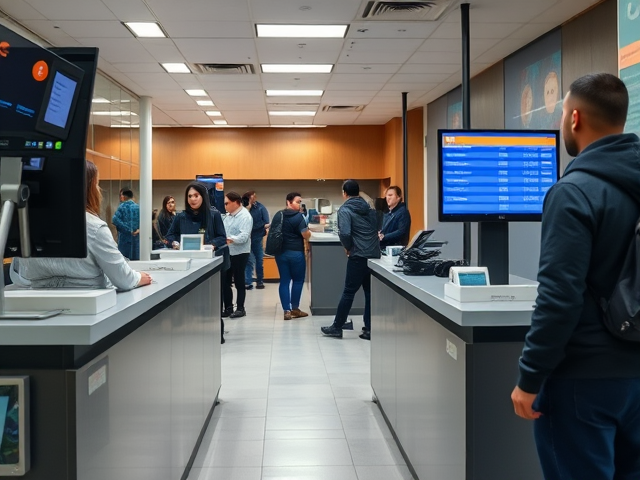

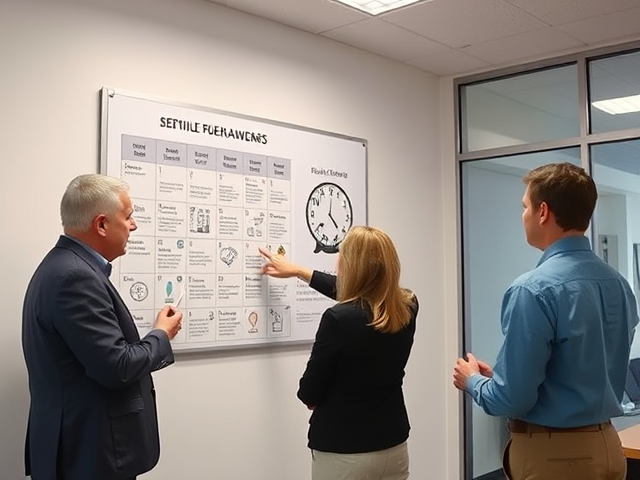
Government service centers often experience predictable surges, such as month-end subsidy disbursements or quarterly tax filing periods. A predictive queuing system identifies these patterns automatically, alerting administrators to schedule additional officers or extend counter hours before queues form. This eliminates the reactive scramble that traditionally plagues public offices.
When agencies know exactly when demand will spike, they can align their workforce strategically. Instead of leaving citizens to wonder how long they will wait, staff are already positioned and ready. This foresight transforms the queuing system from a passive ticket dispenser into an active operational command center.
For Malaysian public sector leaders, this means fewer complaints, higher compliance with service-level agreements, and a measurable improvement in the overall customer experience. Citizens receive timely assistance without unnecessary delays, building greater trust in government service delivery.
Uncertainty is the biggest driver of queue anxiety. When citizens do not know their place in line or how long they must wait, frustration quickly escalates. A modern smart queue system eliminates this guesswork by providing live, accurate updates through digital displays, SMS notifications, and mobile portals.
This transparency delivers immediate benefits:
By integrating seamless communication into the queuing process, public agencies turn a traditionally stressful experience into a predictable, respectful interaction. Citizens feel informed, valued, and respected, directly strengthening the customer experience across all government touchpoints.
In high-traffic government facilities, managing crowd density is not just about logistics; it is a public safety and comfort imperative. A predictive queuing system continuously monitors footfall and adjusts service channels to maintain an orderly, comfortable environment for all visitors.
Efficient crowd management is vital for any public-facing institution. It ensures that every citizen is guided smoothly to the right service point, wait times are minimized, and the overall customer experience reflects Malaysia's commitment to modern, citizen-first governance.
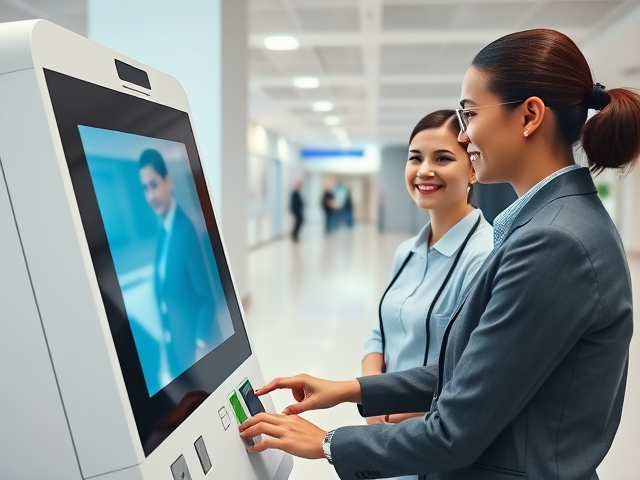
In today's digital era, outstanding public service is no longer optional; it is a baseline expectation. Here is how a predictive queuing system elevates citizen service standards across Malaysian government agencies:
By reducing wait times and streamlining service, citizens feel respected and valued. This nurtures loyalty and encourages positive word-of-mouth about government service modernization.
The queuing system standardizes the visitor journey, ensuring every citizen receives equitable attention regardless of peak hours or staffing fluctuations.
Keeping visitors informed about their position and estimated wait time reduces uncertainty and gives them control over their time, directly enhancing the customer experience.
Effective public service is a continuous journey of understanding and responding to citizen needs. Implementing a robust predictive queuing system is a powerful step in this journey, ensuring that every government interaction counts towards building a stronger, more efficient digital Malaysia.
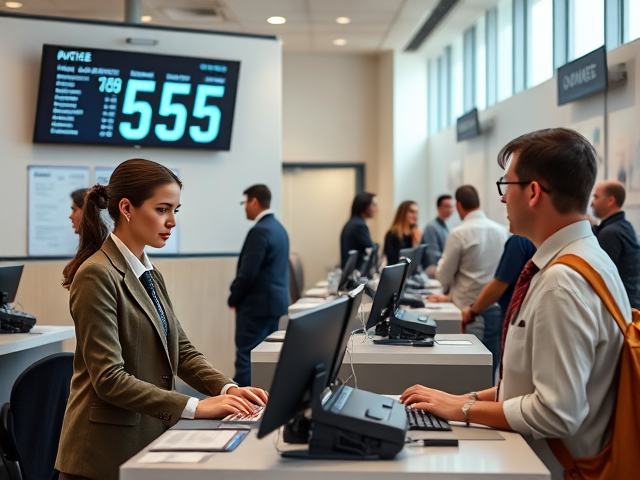
Public sector employees often face immense pressure during peak service hours. When queues become unmanageable, staff morale drops, errors increase, and service quality suffers. A predictive queuing system alleviates this burden by providing clear visibility into demand patterns and optimizing workflow distribution.
Consistently managing unpredictable crowds is exhausting. It is not just about handling complaints; it is the daily strain of navigating overcrowded counters that drains team motivation. Trying to maintain high service standards under chaotic conditions is a significant challenge for any government workforce.
QueueBee's smart queue system transforms this dynamic by streamlining the waiting process and keeping citizens informed. Much of the operational stress is eliminated when demand is forecasted and resources are pre-allocated. No more reactive scrambling or dealing with frustrated visitors caught off guard by sudden surges.
When staff know exactly what to expect and when, they can prepare accordingly. Citizens are less likely to take out frustration on officers because the system provides transparency and manages expectations proactively. This kind of foresight does not just help visitors; it takes a massive load off the public sector workforce.
And when officers are not constantly putting out fires caused by poor queue planning, they are free to focus on what matters most: delivering accurate, compassionate, and efficient public service. This improves morale, reduces turnover, and elevates the overall quality of government service delivery.
In government operations, inefficiencies are more than just inconveniences; they directly impact public funds and service delivery capacity. Long, unmanaged lines escalate operational costs through overtime pay, facility wear, and lost productivity. A predictive queuing system addresses these drains by optimizing resource utilization and preventing service bottlenecks.
QueueBee's Predictive Queue Management Makes a Difference:
The impact of a system like QueueBee's can be substantial. By improving productivity and operational efficiency, it opens the door to significant public fund savings. Imagine the potential of reducing administrative inefficiencies by up to 90% with a predictive queuing system tailored for Malaysian government agencies.
A predictive queuing system does more than manage lines; it provides comprehensive data across the entire citizen journey. This data is essential for making smarter, more informed decisions in public administration.
Many public agencies lack comprehensive data on visitor behavior. QueueBee provides valuable insights that are essential for improving operations and adapting the workforce to enhance the overall customer experience across all government touchpoints.
Ready to revolutionize Malaysia's public sector customer experience? Discover how QueueBee's predictive queuing system and smart queue management solutions can transform your agency's operational efficiency.
Contact us today for a government-tailored solution

Security | Quality | Reliability