
Public sector agencies today face unprecedented pressure to deliver efficient, transparent, and accessible services. Traditional manual queuing methods often result in unpredictable bottlenecks, overcrowded service halls, and frustrated citizens. When government offices, hospitals, or licensing centers rely on first-come-first-served models without foresight, operational strain increases dramatically. The modern citizen expects seamless, predictable service delivery, making the adoption of a smart queuing system no longer optional but essential for public sector transformation.
By integrating predictive analytics into queue management, agencies can anticipate demand spikes, allocate resources dynamically, and guide citizens through optimized service pathways. This proactive approach not only reduces physical congestion but also transforms the overall customer experience, turning lengthy waits into streamlined, predictable interactions.
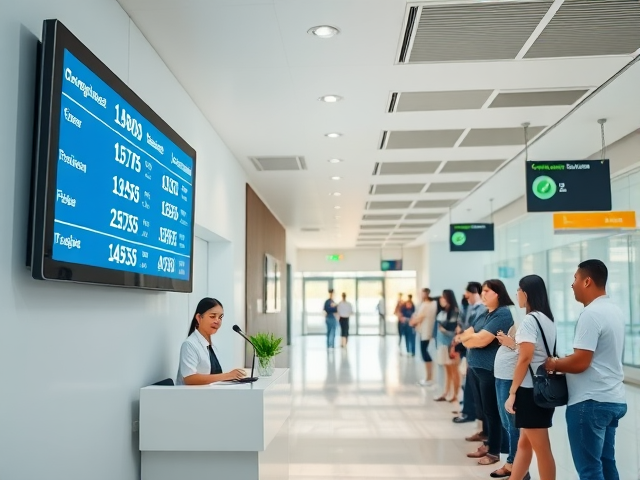
In the public sector, service demand is rarely static. Seasonal rushes, policy rollouts, and demographic shifts create fluctuating foot traffic that traditional queue management cannot handle effectively. Without predictive capabilities, agencies are forced into reactive modes, leading to overcrowded lobbies, staff burnout, and declining citizen satisfaction.
This is crucial to consider because the impact of inefficient queuing extends beyond temporary frustration. It erodes public trust, increases operational costs, and creates compliance risks. A predictive queuing system empowers agencies to forecast demand, balance workloads, and maintain consistent service quality, ensuring that public resources are utilized optimally and citizen expectations are consistently met.
Key Features That Drive Predictive Flow Optimization

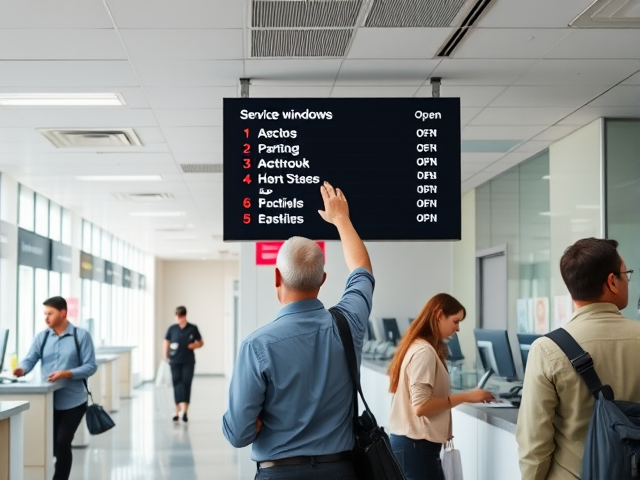
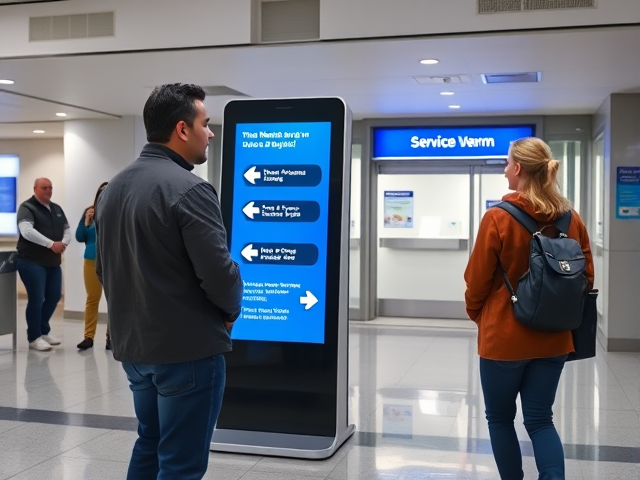
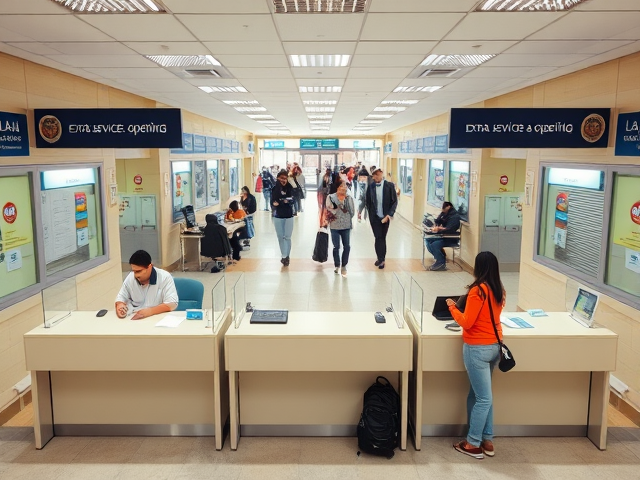
Public service centers often experience sudden surges due to policy deadlines, tax seasons, or emergency service requests. A predictive queuing system analyzes historical patterns and real-time entry data to anticipate these spikes before they materialize. By preparing in advance, agencies can open additional service windows, deploy mobile kiosks, or shift staff to high-demand zones.
Proactive demand forecasting eliminates the reactive scramble that typically leads to overcrowded lobbies and frustrated citizens. When agencies know exactly when and where congestion will occur, they can implement preventive measures that maintain smooth customer flow and preserve service quality.
This capability is especially vital for government agencies operating under strict service-level agreements. By keeping wait times within predictable thresholds, a predictive queuing system ensures compliance, reduces citizen complaints, and strengthens public trust in institutional efficiency.
Traditional public sector staffing models are often rigid, leading to either understaffed counters during peaks or idle personnel during quiet periods. A smart queue system continuously monitors transaction volumes and automatically adjusts service point availability. This dynamic balancing ensures that every citizen is directed to the most efficient service channel without unnecessary delays.
The impact of dynamic resource allocation is immediate and measurable:
By integrating dynamic balancing into the queuing process, agencies transform static service models into responsive, agile operations. This not only accelerates transaction completion but also demonstrates a commitment to modern, citizen-centric governance.
In large government complexes, citizens often navigate multiple departments, creating cross-traffic and secondary congestion points. A predictive queuing system monitors footfall distribution in real time and actively manages crowd movement to prevent service zone overload.
Effective crowd management is vital for any public service environment. It’s not just about directing people; it’s about creating a predictable, secure, and efficient service ecosystem where citizens feel guided and respected. This approach doesn’t just solve logistical issues – it elevates the entire customer experience, making government interactions smoother and more dignified.

In the public sector, customer experience directly correlates with institutional trust and civic engagement. When citizens encounter predictable, respectful, and efficient service, their perception of government competence improves. Here’s how a predictive queuing system elevates the citizen journey:
Effective customer experience management is a continuous journey of understanding and responding to citizen needs. Implementing a robust predictive queuing system is a powerful step in this journey, ensuring that every public sector interaction counts towards building a stronger, more responsive government.
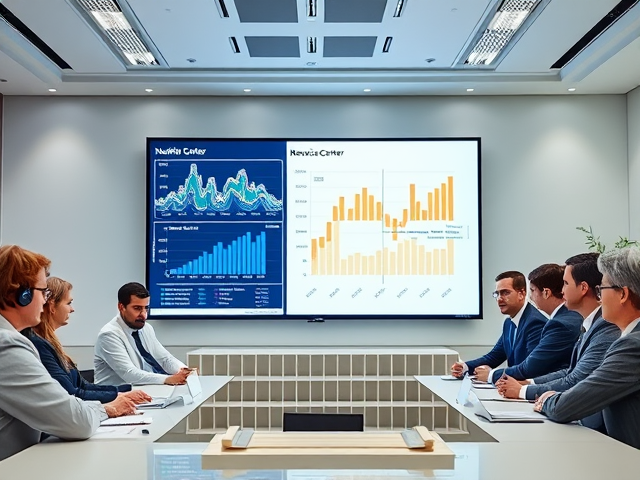
Government agencies operate with limited budgets and must justify every infrastructure investment. Predictive queue management provides granular, longitudinal data on transaction volumes, peak periods, service duration, and citizen behavior. This intelligence transforms how agencies plan expansions, allocate funding, and design future service centers.
Instead of relying on outdated assumptions or political pressure, administrators can use predictive analytics to justify counter expansions, justify mobile kiosk deployments, or redesign facility layouts based on actual usage patterns. This evidence-based approach ensures that public funds are directed where they generate the highest civic impact.
Agencies that leverage predictive data consistently outperform those that rely on reactive planning. They avoid costly overbuilds, prevent service gaps, and maintain operational agility. A smart queue system doesn’t just manage today’s queues; it future-proofs the entire public service ecosystem.
When leadership has accurate, real-time visibility into service demand, they can make proactive decisions that align with long-term civic goals. This not only improves fiscal responsibility but also demonstrates transparent, accountable governance to the public.
Inefficient queuing directly impacts public sector budgets. Overcrowded facilities require additional security personnel, extended cleaning cycles, and higher utility consumption. Meanwhile, understaffed counters lead to transaction backlogs, requiring overtime pay or temporary contractor hires. A predictive queuing system eliminates these financial leaks by aligning resource deployment with actual demand.
Predictive Queue Management Drives Cost Efficiency:
The financial impact of predictive queue management is substantial. By improving throughput and reducing waste, agencies can redirect saved funds toward citizen programs, digital transformation, or community outreach. Imagine if the avoided operational costs from smoother service delivery were reinvested into public services. That's the potential of reducing administrative inefficiencies by up to 85% with a predictive queuing system.
As urban populations grow and digital expectations rise, public sector agencies must evolve beyond legacy queue management. A predictive queuing system provides the scalable foundation needed to adapt to changing civic demands, integrate with smart city initiatives, and maintain service excellence across decades. This technology doesn’t just solve today’s congestion; it prepares agencies for tomorrow’s challenges.
Agencies that adopt predictive queue management today position themselves as leaders in civic innovation. They deliver faster, fairer, and more transparent services while building public trust through consistent, data-backed performance. The future of government service isn’t just digital; it’s intelligent, anticipatory, and citizen-first.
Predictive queue management is no longer a luxury for government agencies; it’s a necessity for modern civic operations. By anticipating demand, optimizing resources, and elevating the citizen customer experience, agencies can deliver faster, fairer, and more transparent services. Discover how QueueBee’s predictive queuing system can revolutionize your public sector operations. Contact us today for a customized solution.
Ready to revolutionize citizen service delivery? Discover how QueueBee’s predictive queuing system and smart queue system can optimize customer flow, reduce wait times, and elevate the customer experience across your government facilities.
Contact us today for a personalized public sector solution


Security | Quality | Reliability