
How Predictive Queue Management Improves Customer Flow in Singaporean Public Sector

Blog | Last Updated: June 16, 2026

Is Your Public Sector Agency Struggling With Inefficient Queue Management?

In Singapore's fast-paced public service landscape, the efficiency of your queuing system directly influences citizen satisfaction and operational success. Government agencies and public institutions across the island face mounting pressure to deliver seamless service experiences while managing increasing footfall at counters, service centres, and government kiosks. Many public sector establishments grapple with queue management challenges that can adversely affect citizen trust and operational efficiency.
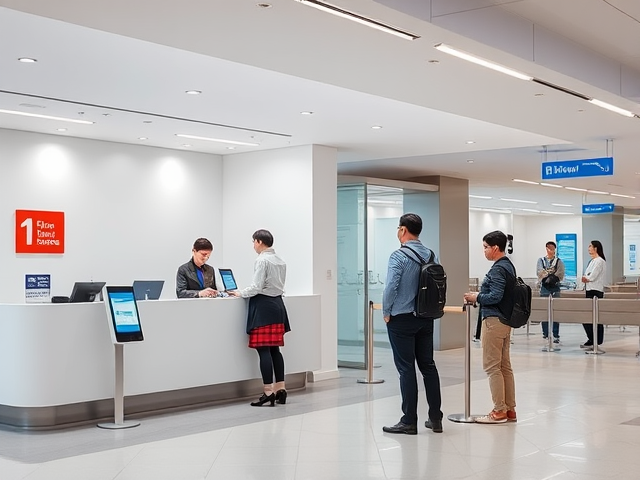
Unpredictable Peak Hours

Public service counters often experience sudden surges in citizen arrivals, leading to overcrowded waiting areas and frustratingly long queues. Without predictive capabilities, agencies cannot anticipate or prepare for these spikes in demand.

Declining Citizen Satisfaction

Extended wait times erode public trust and satisfaction. Citizens expect government services to match the convenience of private sector offerings, yet many public counters still rely on outdated first-come-first-served queuing system models.

Inefficient Staff Allocation

Without real-time visibility into queue patterns, public sector agencies struggle to deploy staff effectively. Officers may be idle during quiet periods while other counters face overwhelming demand, wasting valuable government resources.

Poor Customer Experience

Long, unmanaged queues create negative first impressions and diminish the overall citizen experience. In an era where Smart Nation initiatives set high digital expectations, traditional queuing methods feel increasingly outdated.

Limited Data-Driven Insights

Many public agencies lack comprehensive analytics on citizen flow patterns, service duration, and peak demand periods. This knowledge gap prevents informed decision-making and continuous service improvement.
Predictive queuing system transforming customer flow in Singaporean public sector

Addressing these challenges is crucial for enhancing the citizen journey and ensuring a positive interaction with public services. Recognising the pivotal role of a smart queuing system forms the foundation for transforming customer experiences from the moment citizens decide to engage with your agency.

How Predictive Queue Management Works

Key Features of a Predictive Smart Queue System for Public Sector
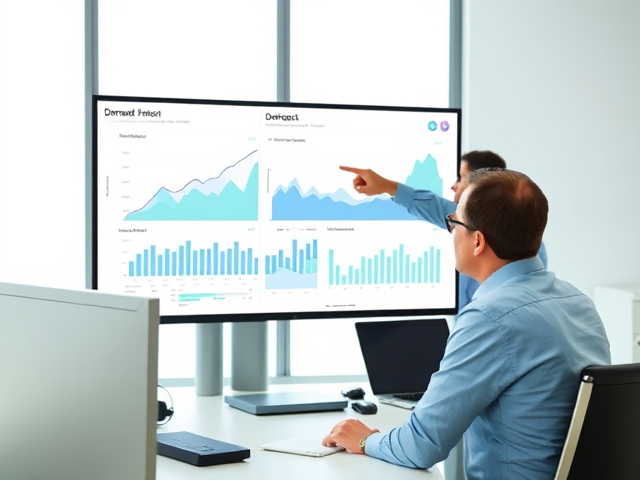
Predictive queue management technology for public sector

AI-Powered Demand Forecasting

A predictive queuing system leverages artificial intelligence to analyse historical data, seasonal trends, and real-time inputs to forecast citizen arrival patterns. This enables agencies to anticipate peak periods and prepare resources proactively rather than reactively.

Dynamic Staff Deployment

By predicting queue volumes in advance, the smart queue system automatically recommends optimal staff allocation across counters. This ensures that the right number of officers are available at the right time, maximising productivity and reducing idle time.

Real-Time Queue Monitoring

Public service centres gain live visibility into queue lengths, average wait times, and service throughput. Dashboards provide actionable insights that empower managers to make instant adjustments to maintain smooth customer flow.

Smart Appointment Integration

The queuing system seamlessly integrates with appointment scheduling platforms, allowing citizens to book time slots that align with predicted low-traffic periods. This distributes footfall evenly and reduces congestion at service counters.

Citizen Notifications & Updates

Through SMS, WhatsApp, or mobile app notifications, citizens receive real-time updates on their queue position, estimated wait times, and counter readiness. This transparency significantly improves the overall customer experience and reduces anxiety.

For a deeper understanding of how a predictive queuing system can revolutionise public sector service delivery, visit our queue system page.

In Summary: Implementing a smart queuing system offers a comprehensive solution to traditional queue management challenges in the public sector. Its predictive capabilities are designed to enhance the citizen experience, improve operational efficiency, and support Singapore's Smart Nation vision. By addressing the core issues of queue management with intelligent technology, public agencies can set a new standard for service excellence.

How Predictive Queue Management Enhances Citizen Experience

The integration of a predictive queuing system fundamentally transforms the citizen experience in Singapore's public sector. By addressing key pain points with intelligent technology, government agencies can offer a more streamlined, efficient, and enjoyable service journey. Here's how a smart queuing system enhances various aspects of the customer experience:

Reduced Perceived Wait Times

When citizens receive accurate wait time estimates and real-time queue updates, their perceived waiting time decreases significantly. The smart queue system eliminates the uncertainty that typically accompanies public service visits, making the experience feel faster and more manageable.

Increased Convenience and Flexibility

With predictive queuing capabilities, citizens can choose to arrive at their scheduled time or join a virtual queue from anywhere. This flexibility is particularly valuable for elderly citizens and families with young children who require more considerate service arrangements.

Personalised Service Delivery

The queuing system captures citizen preferences and service history, enabling agencies to tailor interactions accordingly. Officers can prepare relevant documents and information before the citizen arrives, creating a more personalised and efficient customer experience.

Optimised Service Flow

By predicting and balancing citizen flow across multiple counters and service points, the smart queuing system prevents bottlenecks and ensures even distribution. This not only shortens overall wait times but also improves the quality of service delivered at each interaction.

Data-Driven Service Improvement

The valuable insights gained from predictive analytics enable public agencies to continuously refine their service delivery. Understanding citizen behaviour patterns leads to smarter resource allocation, improved counter layouts, and more effective service design.

Enhanced Transparency and Trust

Real-time queue visibility and proactive communication foster a sense of transparency between government agencies and citizens. When the public sees that their time is valued and managed efficiently, trust in public institutions naturally strengthens.

Does Your Public Agency Need a Predictive Queuing System?

Deciding whether your public sector agency could benefit from a predictive queuing system involves evaluating your current service delivery and identifying key areas for improvement. A smart queuing system is not just about managing lines; it's about enhancing the overall citizen experience and operational efficiency. Here are a few signs that your public agency might need a predictive queuing system:
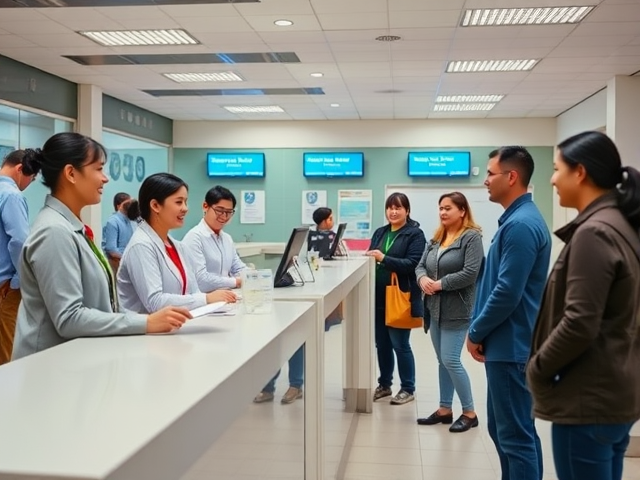
You're Experiencing High Citizen Walk-Aways

If your service centres frequently see citizens leaving due to long wait times or overcrowded waiting areas, a predictive queuing system can help by managing expectations and reducing physical queue congestion through smart分流 strategies.

Your Citizen Satisfaction Scores Are Declining

Feedback indicating dissatisfaction with wait times or service experience can be a clear signal that your current queue management approach is falling short. A predictive system addresses these issues directly by improving efficiency and transparency.

You Need Better Data to Understand Citizen Behaviour

Without accurate data on citizen arrival patterns, peak periods, and service interaction durations, it's challenging to make informed decisions to improve public service delivery. A smart queuing system provides valuable analytics and predictive insights.

You Want to Align With Smart Nation Goals

Public agencies looking to support Singapore's Smart Nation initiative need to embrace technology solutions that offer convenience and efficiency. A predictive queuing system is a meaningful step towards digital transformation in the public sector.

Your Operational Efficiency Needs a Boost

If managing queues and citizen flow is taking up significant officer time and resources, a predictive queuing system can streamline these processes, allowing your team to focus on delivering high-quality public service rather than managing lines.
Predictive queue management improving public sector efficiency

A predictive queuing system is not a one-size-fits-all solution, but for public agencies facing challenges with citizen flow management, declining satisfaction scores, or operational inefficiencies, it can be transformative. By providing a more streamlined, efficient, and citizen-friendly service experience, QueueBee's predictive queuing system helps agencies not only meet but exceed their public service goals. It's about taking proactive steps towards not just solving current problems but also paving the way for future growth and success in Singapore's public sector.

Transform Your Public Sector Queue Management Today

Discover how QueueBee's predictive queuing system can revolutionise citizen service delivery, enhance operational efficiency, and drive your public agency forward. With our intelligent solution, say goodbye to the challenges of traditional queue management and welcome a new era of citizen satisfaction and public service excellence. Don't let long queues and operational inefficiencies hold your agency back. Take the first step towards a streamlined, efficient, and citizen-friendly service experience with QueueBee.

linkedin
ISO 27001
ISO 9001

We Are Now

ISO 27001 & ISO 9001 Certified!

Security | Quality | Reliability

Whatsapp