
Public sector organisations — from government offices and hospitals to licensing centres and tax authorities — serve millions of citizens every day. Yet, one persistent problem remains: unpredictable customer flow. Long queues, overcrowded service counters, and frustrated citizens are common complaints that erode trust in public institutions.
The traditional queuing system relies on first-come-first-served logic, which works poorly when demand spikes unexpectedly. Without foresight, public sector agencies cannot prepare for surges in foot traffic, leading to bottlenecks, staff burnout, and a declining customer experience. Predictive queue management changes this dynamic by using data and analytics to anticipate demand before it happens.

Public sector agencies are under constant pressure to deliver efficient, transparent, and citizen-friendly services. When citizens face unpredictable wait times, the result is dissatisfaction, lost productivity, and a weakened perception of government competence. A smart queue system that predicts demand helps agencies stay ahead of these challenges.
Unlike reactive queue management, which responds to problems after they occur, predictive queue management uses historical data, real-time monitoring, and forecasting algorithms to prepare for peak periods. This proactive approach ensures that public sector organisations can allocate resources wisely, reduce bottlenecks, and maintain a consistently positive customer experience.
Core Components of a Predictive Queuing System
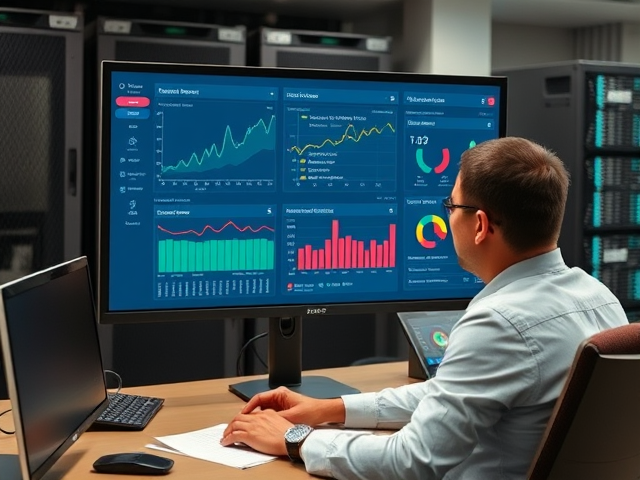
One of the most immediate benefits of a predictive queuing system is the ability to reduce wait times before they become a problem. By analysing historical data, the system can predict peak hours, days, and even seasonal surges — such as tax filing periods, licence renewal windows, or enrolment seasons.
When a surge is forecasted, public sector managers can proactively deploy additional staff, extend service hours, or redirect citizens to self-service kiosks. This prevents the formation of long physical queues and ensures that citizens are served promptly, significantly improving the overall customer experience.
A smart queue system that predicts demand transforms wait times from a source of frustration into a managed and predictable part of the citizen journey. Citizens know what to expect, and public agencies maintain service quality even during high-pressure periods.
Uncertainty is one of the biggest drivers of citizen dissatisfaction. When people arrive at a government office and have no idea how long they will wait, anxiety builds quickly. A predictive queuing system addresses this by providing transparent, real-time communication throughout the citizen journey.
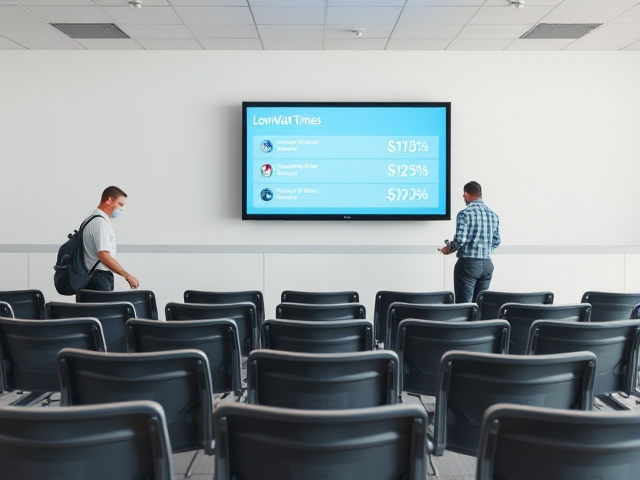
Through digital displays, SMS notifications, and mobile app updates, citizens receive accurate wait time estimates and queue status updates. This transparency delivers several key benefits:
By integrating seamless communication into the queuing process, a smart queue system turns an otherwise passive wait into an informed and manageable experience. Citizens feel respected, and public agencies demonstrate a commitment to modern, citizen-centric service delivery.
Public sector agencies often struggle with staffing imbalances — too many officers during slow periods and too few during peak hours. Predictive queue management solves this by providing data-driven staffing recommendations that align workforce availability with anticipated demand.
Efficient resource allocation is a cornerstone of effective public service management. A predictive queuing system ensures that the right number of staff, counters, and resources are available at the right time — creating a smoother, faster, and more reliable service experience for every citizen.
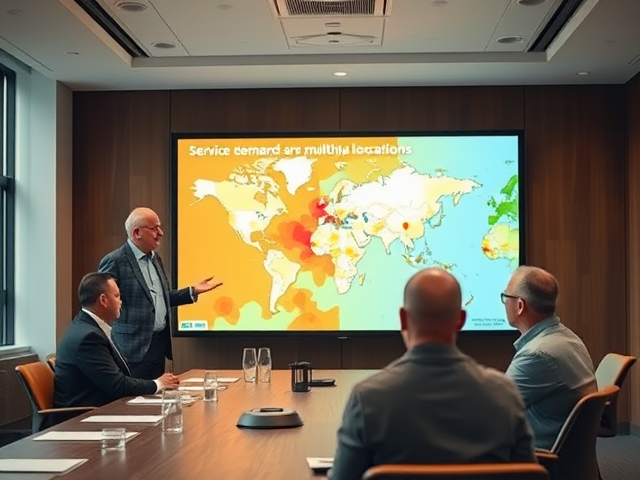
Public sector leaders need reliable data to make informed decisions about service delivery, infrastructure investment, and policy planning. Predictive queue management provides a rich stream of actionable insights that go far beyond simple queue metrics.
A predictive queuing system transforms raw queue data into strategic intelligence. Public sector leaders can use these insights to justify budget requests, plan digital transformation initiatives, and demonstrate measurable improvements in service delivery to citizens and stakeholders alike.

Public sector staff spend a significant amount of time managing queues manually — counting citizens, assigning counters, and handling complaints about wait times. This administrative burden detracts from their core responsibility: serving citizens effectively.
A smart queue system automates queue management, freeing staff to focus on high-value tasks. When the system handles crowd control, wait time communication, and resource allocation, officers can dedicate their energy to processing applications, answering citizen queries, and delivering quality service.
When staff are no longer overwhelmed by queue management duties, productivity increases across the board. Fewer errors, faster service processing, and higher job satisfaction all contribute to a more efficient public sector workforce. This, in turn, creates a positive feedback loop — better service leads to higher citizen satisfaction, which reinforces trust in government institutions.
For public sector agencies, investing in a predictive queuing system is not just about managing lines; it is about empowering the workforce to deliver their best service, every day.
Inefficient queue management carries a hidden cost that many public sector agencies overlook. Long queues lead to wasted citizen time, increased staff overtime, higher complaint volumes, and even legal challenges over service delays. These costs add up quickly and strain already limited public budgets.
A predictive queuing system addresses these inefficiencies head-on:
The financial return on a predictive queuing system extends beyond direct savings. By improving service efficiency, agencies can handle more citizens with the same resources, effectively increasing capacity without additional expenditure. This is a critical advantage for public sector organisations operating under tight budget constraints.
Public sector agencies serve diverse populations with varying needs. A predictive queuing system must be flexible enough to adapt to different service types, locations, and citizen demographics. QueueBee's smart queue system is designed with this scalability in mind.
A future-ready queuing system is not just a tool for today — it is a foundation for tomorrow. By adopting a predictive queuing system, public sector agencies position themselves to meet the growing demands of citizen services with confidence, efficiency, and transparency.

Ready to revolutionise customer flow in your public sector organisation? Discover how QueueBee's predictive queuing system can reduce wait times, optimise staff deployment, and elevate the customer experience for millions of citizens.
Contact us today for a personalised solution


Security | Quality | Reliability