
Phnom Penh's dining scene is booming. From bustling riverside eateries to modern cafes in BKK4, restaurants are experiencing unprecedented foot traffic. But with great popularity comes a significant operational challenge: managing peak hour crowds effectively. During lunch rushes from 11:30 AM to 1:30 PM and dinner peaks between 6:00 PM and 8:30 PM, many restaurants find themselves overwhelmed by long queues, frustrated customers, and stressed staff.
A recent survey of dining patrons in Cambodia revealed that over 68% of customers are willing to walk away from a restaurant if the wait exceeds 20 minutes. For restaurant owners, this translates to lost revenue, damaged reputation, and missed opportunities. The question is no longer whether peak hour crowds will impact your business, but how you will respond to them. Implementing a reliable system for restaurant crowd management has become the difference between thriving and merely surviving in Cambodia's competitive hospitality landscape.
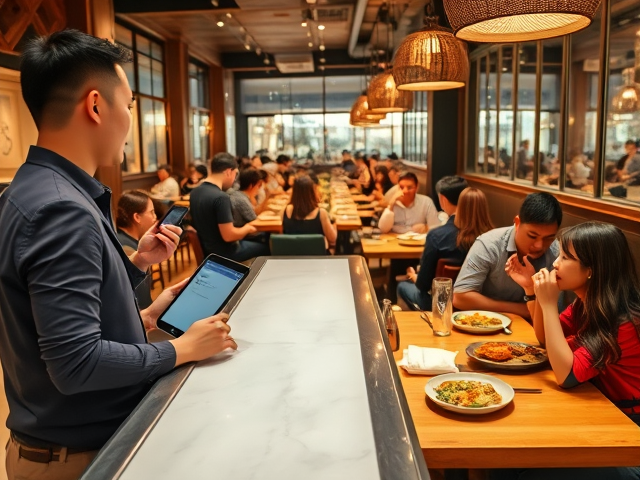
In Cambodia's rapidly growing food and beverage industry, peak hour crowd management is not a luxury—it is a necessity. Restaurants that fail to handle busy periods efficiently risk losing customers to competitors who offer a smoother, more respectful dining experience. A well-designed queuing system ensures that every guest feels valued, regardless of how busy the restaurant is.
The impact of poor crowd management extends far beyond a single meal. Negative experiences during peak hours are frequently shared on social media and review platforms, directly influencing potential customers' decisions. Conversely, restaurants that implement a smart system for restaurant operations during rush hours build loyalty, increase repeat visits, and generate positive word-of-mouth referrals that drive sustainable growth.
Types of Restaurant Queuing Systems
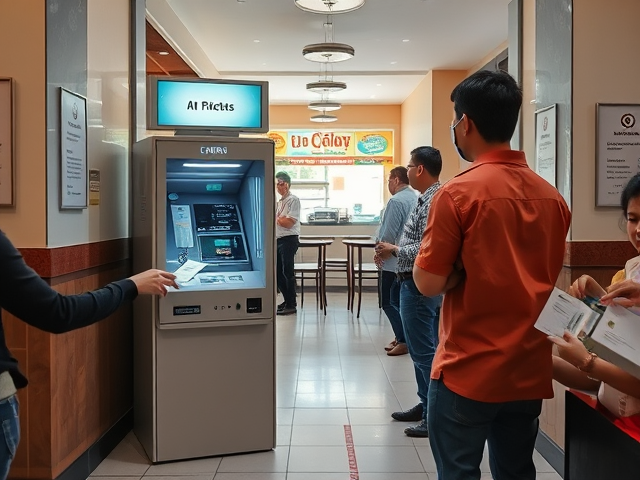
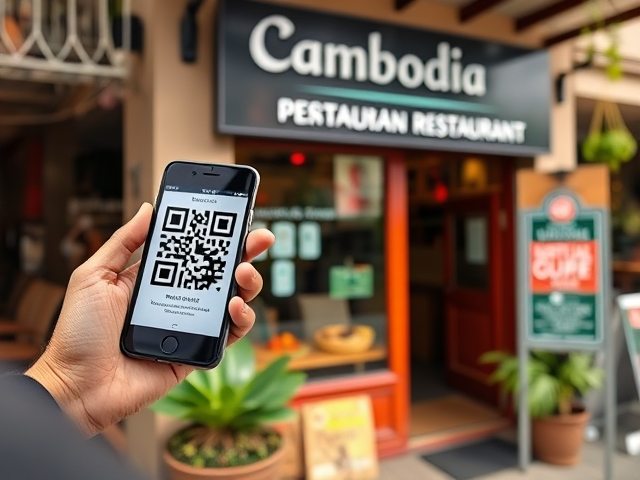
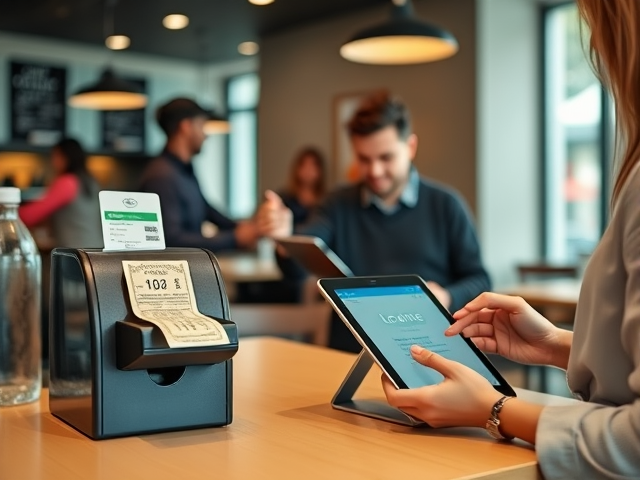
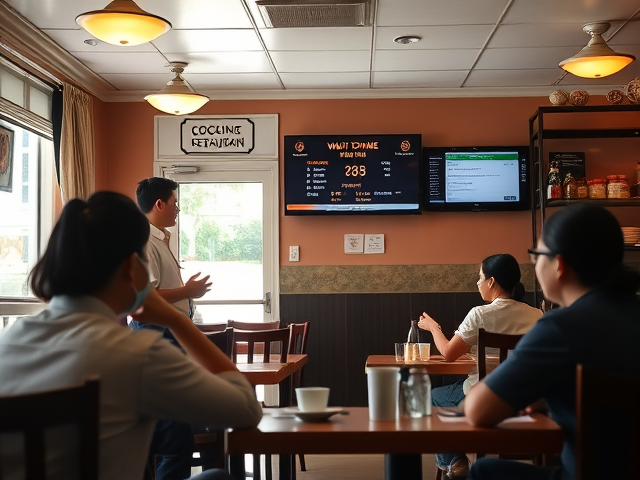
Research shows that most diners will abandon a restaurant queue after just 10 to 15 minutes of waiting. In Cambodia's competitive restaurant market, where customers have countless alternatives, those lost minutes represent lost revenue. A system for restaurant crowd management that prioritizes wait time reduction directly protects your bottom line.
Implementing a virtual queue is one of the most effective ways to slash perceived wait times. When customers can join a queue from their phone and receive live updates on their status, the anxiety of standing in line disappears. They can sit at a nearby café, run errands, or simply relax knowing their table is reserved. This freedom transforms a negative experience into a positive one, and it starts with choosing the right queuing system for your restaurant.
By keeping wait times within an acceptable range and providing transparent communication, restaurants demonstrate respect for their customers' time. This respect builds loyalty and turns first-time visitors into regular patrons who return not just for the food, but for the seamless experience from arrival to departure.
Communication is the backbone of any successful restaurant operation, especially during peak hours. When a restaurant is busy, customers need to know where they stand in the queue, how long they will wait, and what to expect next. Without clear communication, frustration builds quickly, and even a well-managed queue can feel chaotic to the diner.
A modern queuing system addresses this challenge by providing real-time updates through multiple channels:
By integrating seamless communication into the queuing process, restaurants create a sense of transparency and trust. Whether through a mobile app, digital displays at the entrance, or automated notifications, customers stay informed and engaged. This not only smooths out the waiting experience but also reinforces your commitment to excellent service—turning a potentially negative peak hour into a positive brand moment.
Managing peak hour crowds is not just about reducing wait times—it is about creating an orderly, comfortable environment where diners feel welcomed from the moment they arrive. Efficient crowd management ensures that every guest is smoothly guided through the dining experience, from queue joining to table seating.
Efficient crowd management is vital for any restaurant operating in Cambodia's competitive market. It is not just about guiding people to tables—it is about creating an orderly, comfortable environment where customers feel respected and valued. This approach does not just solve logistical issues; it enhances the entire experience, making visits smoother and more enjoyable for every diner.
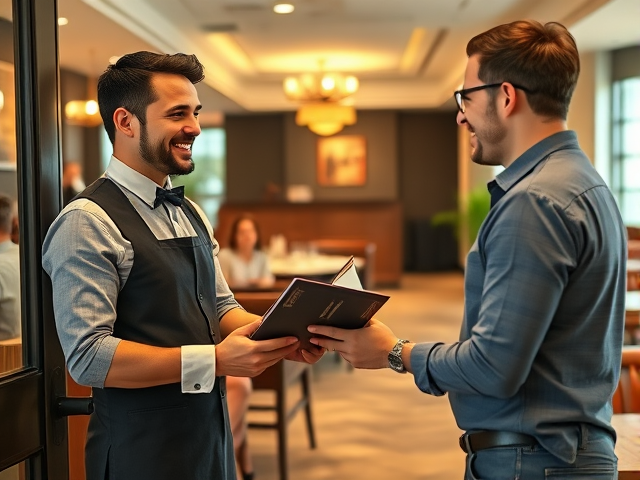
In today's competitive restaurant industry, outstanding customer service is not optional—it is essential. It is the difference between a diner who returns and one who never comes back. Here is how a reliable system for restaurant crowd management plays a crucial role in elevating customer service standards:
Effective customer service is a continuous journey of understanding and responding to customer needs. Implementing a robust system for restaurant operations is a powerful step in this journey, ensuring that every interaction counts towards building a strong, lasting relationship with your customers.
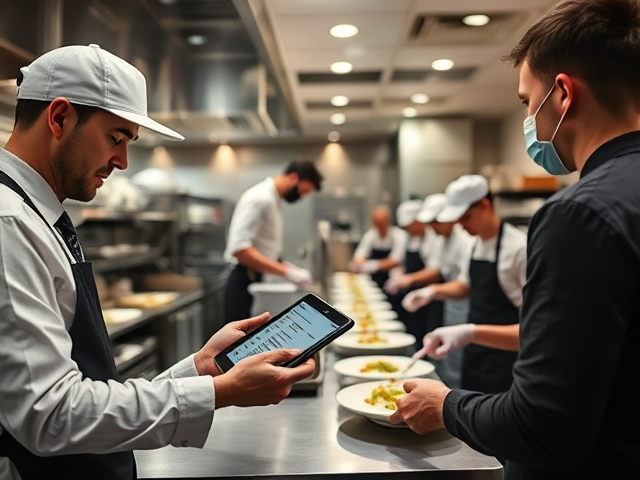
Consider the typical peak hour scenario in a busy Cambodian restaurant. The host stand is overwhelmed with questions about wait times. Staff members are constantly fielding complaints from frustrated diners. Kitchen staff are under pressure to keep up with incoming orders. This chaos is not only stressful for staff—it is unsustainable for the business.
Consistently facing customer dissatisfaction during peak hours takes a toll on morale. It is not just about the occasional complaint; it is the daily grind of dealing with unhappy customers that can drain motivation. Trying to maintain quality service in the face of constant negativity is a tall order for any team.
Implementing a virtual queue system can make a world of difference. By streamlining the waiting process and keeping customers informed, much of the stress associated with peak hour crowds can be alleviated. No more dealing with the frustration of customers caught off guard by long waits.
Imagine a system where customers know exactly what to expect and when. They are less likely to take out their frustration on staff because they are not caught in an endless loop of uncertainty. This kind of transparency does not just help customers; it takes a load off the staff too.
And when staff are not constantly putting out fires caused by long waits and poor communication, they are free to do what they do best: provide outstanding service. They can focus on enhancing the dining experience, personalizing interactions, and truly connecting with customers. This not only improves morale among the team but also elevates the overall service quality of the restaurant.
In the restaurant industry, inefficiencies are more than just inconveniences—they directly impact your bottom line. Long, unmanaged queues during peak hours lead to lost sales, wasted staff time, and missed revenue opportunities. A single group of diners walking away from a 30-minute wait represents not just one lost meal but potentially dozens of future visits.
A smart system for restaurant operations addresses these challenges head-on:
The impact of a system like QueueBee's can be substantial. By improving productivity and efficiency, it opens the door to significant operational cost savings. Imagine the revenue retained from diners who would have walked away but now stay because of a transparent, well-managed queue. That is the potential of reducing operational inefficiencies by up to 90% with the right queuing system.
A modern queuing system does more than just manage lines—it provides valuable data across your entire customer journey. This data is key to making smarter, more informed decisions about your restaurant's operations, staffing, and growth strategy.

Ready to revolutionize how your restaurant handles peak hour crowds in Cambodia? Discover how QueueBee's virtual queue and queuing system can transform your dining operations, reduce wait times, and elevate customer satisfaction.
Contact us today for a personalized solution tailored to your restaurant.

Security | Quality | Reliability