
Picture this: it is Friday evening in Kuala Lumpur. You walk past a popular restaurant in Bangsar, and the smell of sizzling satay pulls you in. But then you see it — a queue stretching past the entrance, customers checking their phones, families with toddlers looking exhausted, and the manager standing at the door trying to manage the chaos. This is the reality for countless restaurants across Malaysia during peak hours.
From lunch rushes at 12:30 PM to dinner crowds between 7 PM and 9 PM, Malaysian eateries face intense pressure to serve efficiently without compromising quality. The problem is not just about cooking faster. It is about managing the flow of customers before they even sit down. A poorly managed peak hour can lead to lost revenue, frustrated staff, and customers who simply walk away — never to return.
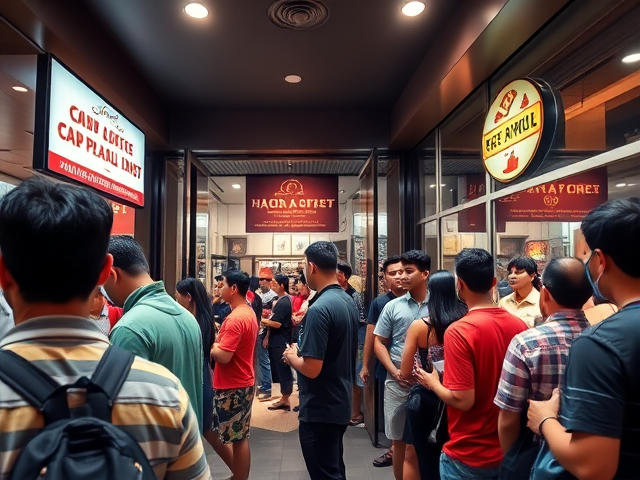
In Malaysia's competitive food and beverage industry, peak hour performance can make or break a restaurant's reputation. When customers experience long, unmanaged queues, they do not just leave — they share their frustration online. A single negative review about wait times can deter dozens of potential diners.
Moreover, peak hour chaos affects more than just customers. Kitchen staff become overwhelmed, servers struggle to keep up, and management loses control of the entire operation. Without a proper system for restaurant crowd control, even the best food and service can go to waste because customers simply cannot wait long enough to experience it.
Choosing the right approach depends on your restaurant's layout, volume, and customer expectations
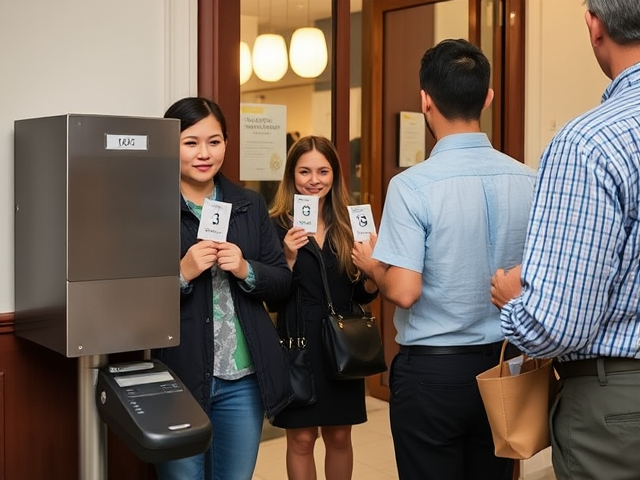
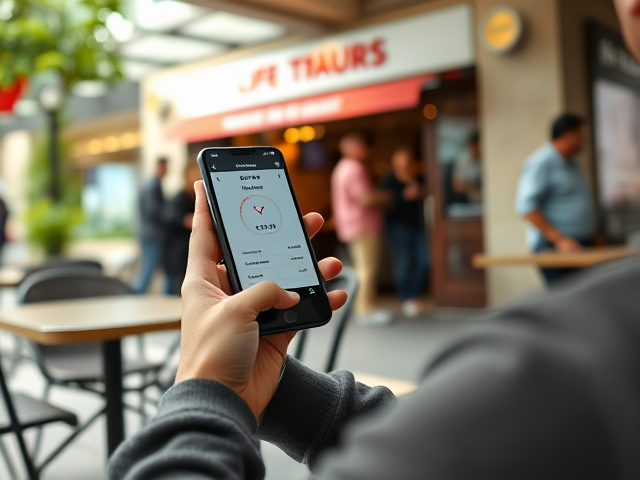
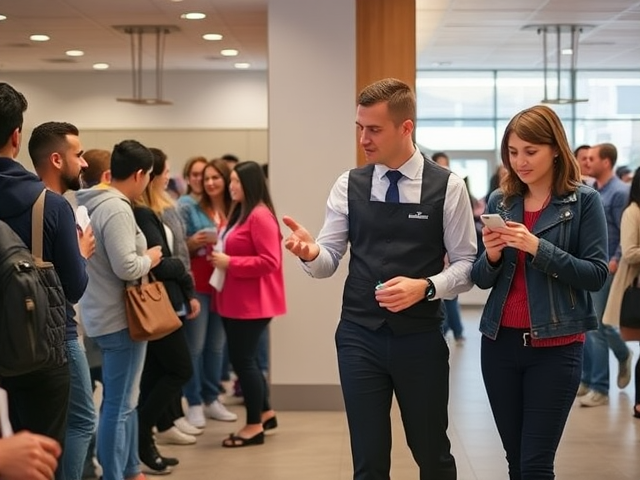
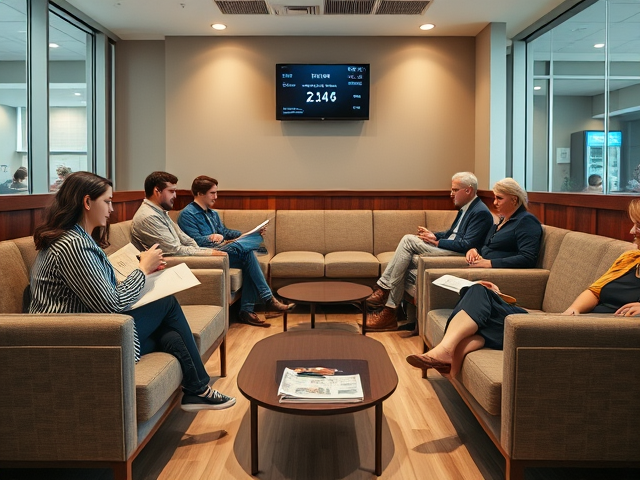
Research shows that most people begin feeling impatient after just 5 to 10 minutes of waiting. In the restaurant industry, this window is even shorter during peak hours. When customers stand in a physical line with no updates, every minute feels longer. This is where a well-designed queuing system makes a significant difference.
By implementing a virtual queue, customers no longer feel trapped standing outside. They receive live updates on their queue position and estimated seating time. This transparency transforms an anxious wait into a relaxed experience. Customers can browse nearby shops, grab a coffee, or simply relax — knowing their table is being held for them.
When a restaurant uses a system for restaurant crowd management, perceived wait times drop dramatically. Customers leave happier, staff face fewer complaints, and the restaurant maintains a calm, professional atmosphere even during the busiest periods.
Communication is the backbone of any successful restaurant operation. During peak hours, uncertainty breeds frustration. Customers who do not know their place in line, their estimated wait time, or whether their table is still available will inevitably become anxious and dissatisfied.
A modern queuing system solves this problem by providing real-time communication channels:
Effective communication during peak hours is not a luxury — it is a necessity. A reliable system for restaurant queuing ensures that every customer stays informed, engaged, and comfortable from the moment they decide to dine at your establishment.
Managing a crowded restaurant during peak hours requires more than just patience. It demands a systematic approach to directing customer flow, balancing table turnover, and ensuring that no section of the restaurant becomes a bottleneck.
Efficient crowd management is essential for any restaurant that wants to thrive during peak hours. It is not just about seating customers faster — it is about creating a smooth, stress-free experience from arrival to departure.

In Malaysia's competitive dining landscape, customer service is what turns first-time visitors into loyal patrons. A smooth queuing experience sets the tone for the entire visit. Here is how a proper system for restaurant crowd management elevates service quality:
Great customer service is not just about the food. It is about the entire journey. A reliable virtual queue system ensures that every step of that journey is smooth, predictable, and enjoyable for the customer.
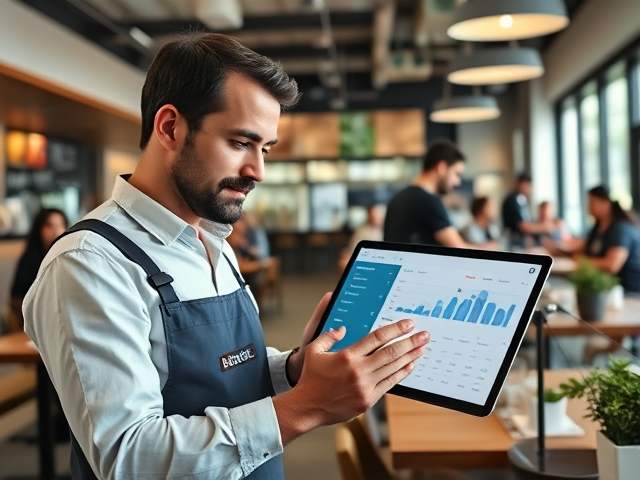
Imagine a restaurant manager during peak hour. Without a proper system, they spend their time calming frustrated customers, redirecting queues, and putting out fires. With a virtual queue in place, their role shifts from crisis management to strategic oversight.
When staff are no longer burdened by the stress of unmanaged crowds, their morale improves significantly. Fewer complaints, fewer confrontations, and a more organised environment lead to a happier, more productive team. This is especially important in Malaysia's F&B industry, where staff retention can be a persistent challenge.
A system for restaurant queuing gives managers the tools they need to control the flow of customers, allocate tables efficiently, and keep their team focused on delivering great service. Staff can concentrate on cooking, serving, and engaging with diners — rather than managing chaos at the door.
When the front-of-house runs smoothly, the entire restaurant benefits. Kitchen operations improve, service speed increases, and customers leave with a positive impression. This is the kind of operational excellence that separates successful restaurants from the rest.
Long queues during peak hours cost restaurants more than just customer goodwill. They result in direct financial losses every single day. When customers walk away because the wait is too long, that is a lost sale — and potentially a lost customer for good.
Consider a mid-sized restaurant in Petaling Jaya that turns away 10 tables during a Friday dinner rush. If each table spends an average of RM150, that is RM1,500 lost in a single evening. Over a month, those losses add up to tens of thousands of ringgit.
A virtual queue system prevents these walk-aways by allowing customers to wait remotely. They join the queue from their phone, receive updates, and arrive at their table exactly when it is ready. The result? More seated customers, higher revenue, and a more efficient operation.
Additionally, a system for restaurant queuing reduces the need for additional front-of-house staff during peak hours. The system handles the queuing process automatically, freeing up resources that can be redirected to food preparation and customer service.
One of the most powerful advantages of implementing a virtual queue system is the wealth of data it generates. Every queue entry, wait time, and table turnover provides valuable insights into your restaurant's performance during peak hours.
Data-driven decision making is no longer optional for restaurants that want to stay competitive. A virtual queue system provides the insights needed to continuously refine operations, reduce waste, and deliver a consistently excellent dining experience.
Across Malaysia, restaurants of all sizes have adopted virtual queue systems to manage their peak hour crowds more effectively. The results speak for themselves:
These are not isolated cases. Restaurants across Malaysia that have embraced a virtual queue system report improved customer satisfaction, higher revenue, and a more manageable work environment during the busiest periods.
Implementing a system for restaurant crowd management does not have to be complicated. Here is a practical step-by-step approach to getting started:
With the right approach, implementing a queuing system can transform your restaurant's peak hour experience. The key is to start early, communicate clearly, and remain committed to continuous improvement.
Ready to take control of your restaurant's peak hour crowds? QueueBee's virtual queue system helps Malaysian restaurants reduce wait times, improve customer satisfaction, and boost revenue during the busiest periods. Stop losing customers to long queues and start delivering the seamless dining experience your patrons deserve. Contact us today for a personalised solution tailored to your restaurant's needs.

Security | Quality | Reliability