
Walk into any busy clinic in Phnom Penh during peak hours, and you will see a familiar scene: rows of patients sitting on plastic chairs, some waiting over an hour just to see a doctor for a routine consultation. The long queues, the confusion about who goes next, and the frustration of patients who arrive early only to find the system has lost track of them — these are daily realities for many healthcare facilities across Cambodia.
Despite the growing demand for quality healthcare, many clinics still rely on manual, first-come-first-served queuing methods. This outdated approach not only creates chaos in waiting areas but also leads to missed appointments, staff burnout, and a poor customer experience that drives patients to competitors. The solution lies in implementing a modern queuing system that brings order, transparency, and efficiency to daily clinic operations.

Healthcare facilities in Cambodia are experiencing unprecedented patient volumes. With urbanisation driving more people to seek professional medical care in cities like Phnom Penh, Siem Reap, and Sihanoukville, clinics that fail to manage patient flow effectively risk losing both patients and revenue. A disorganised waiting area does more than annoy patients — it damages your clinic's reputation and erodes trust in your medical team.
The impact of poor patient flow extends beyond frustration. Long wait times lead to higher no-show rates, increased staff stress, and compromised quality of care. When doctors are rushed because the previous consultation ran over, diagnostic accuracy suffers. When nurses spend hours managing physical lines instead of assisting patients, operational costs rise. A well-designed patient queue system addresses every one of these pain points simultaneously.
Choosing The Right Patient Queue System For Your Clinic
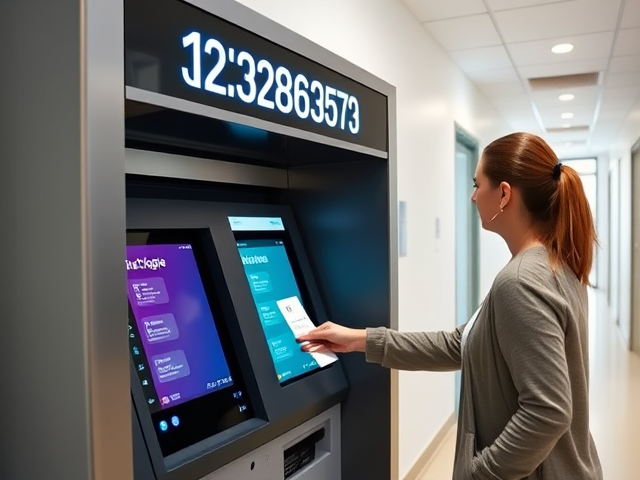

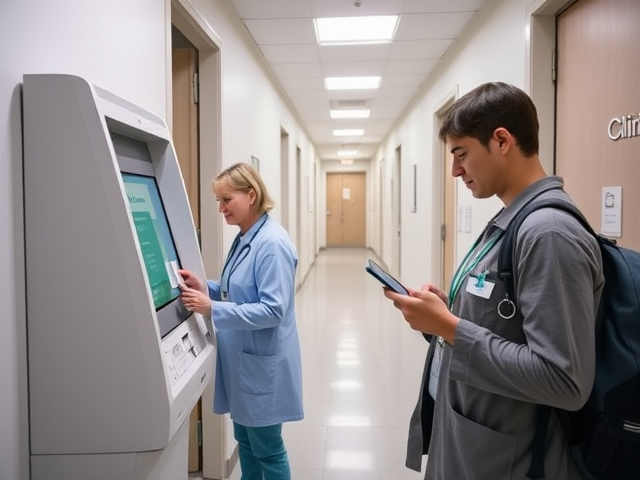

Research shows that patients begin to feel frustrated after just five to ten minutes of waiting. In a busy Cambodian clinic, consultations that should take fifteen minutes can easily stretch to forty or fifty minutes due to poor scheduling and lack of queue management. By implementing a queuing system, clinics can enforce strict time limits per patient and ensure that each consultation stays on schedule.
A patient queue system with real-time monitoring allows clinic managers to identify bottlenecks instantly. If one doctor's queue is growing too long, the system can alert administrators to redistribute patients to available staff members. This dynamic balancing act keeps wait times predictable and manageable, which is essential for maintaining a positive customer experience in healthcare.
When patients know their wait will be reasonable and transparent, they are far more likely to return. A queuing system that consistently delivers shorter wait times becomes a competitive advantage in Cambodia's growing healthcare market, where patient loyalty is earned through reliability and respect for their time.
Uncertainty is the enemy of patient satisfaction. When patients do not know how long they will wait or where they stand in line, anxiety builds. A modern queuing system eliminates this uncertainty by providing clear, real-time communication at every stage of the patient journey.
Here is how improved communication through a patient queue system transforms the clinic experience:
By integrating seamless communication into the queuing process, clinics in Cambodia can turn what was once a source of frustration into a demonstration of professional, patient-centred care. This is especially important in a culture where respect and courtesy are deeply valued in healthcare interactions.
In healthcare, crowd management is not just about logistics — it is about patient safety and comfort. Overcrowded waiting rooms increase the risk of cross-infection, create uncomfortable environments, and make it difficult for staff to provide attentive care. A queuing system helps clinics maintain control over patient flow at all times.
Efficient crowd management is a cornerstone of modern clinic operations. It ensures that every patient is guided smoothly through their visit, from arrival to departure, while maintaining a safe and comfortable environment throughout the facility.

In Cambodia's competitive healthcare landscape, the quality of service extends far beyond medical expertise. The entire patient journey — from the moment they arrive at the clinic to the moment they leave — shapes their perception of your facility. A queuing system plays a pivotal role in elevating every touchpoint of that journey.
Improving patient flow is not merely an operational upgrade — it is a strategic investment in your clinic's reputation and growth. By implementing a reliable queuing system, clinics in Cambodia can deliver a customer experience that rivals international healthcare standards.

Imagine a clinic where nurses spend their shifts managing patient lines, answering repetitive questions about wait times, and calming frustrated visitors. Now imagine the same clinic where a queuing system handles all of that automatically. The difference in staff morale and productivity is profound.
When clinic staff are freed from the burden of manual queue management, they can focus on what matters most: delivering quality medical care. Doctors can concentrate on consultations rather than apologising for delays. Receptionists can handle administrative tasks more efficiently. Nurses can assist patients with greater attentiveness.
A patient queue system removes the friction between staff and patients during peak hours. By automating queue management, clinics reduce the number of complaints, lower staff stress levels, and create a more positive workplace culture. Happy staff lead to better patient outcomes, and better patient outcomes drive a stronger reputation.
When your team is not constantly managing chaos, they have the mental bandwidth to provide personalised, compassionate care. This is the kind of operational efficiency that transforms a busy clinic into a well-oiled healthcare institution.
Inefficient patient flow costs clinics more than just patient frustration. It costs revenue. Every patient who walks out of a crowded waiting room without being seen is a lost consultation fee. Every hour staff spends managing lines manually is an hour not spent on revenue-generating activities. A queuing system directly addresses these financial leaks.
Key Cost Savings From A Modern Queuing System:
The financial impact of a well-implemented patient queue system can be substantial. Clinics that have adopted this technology report significant improvements in daily throughput, patient retention, and overall profitability.
A modern queuing system does far more than manage lines — it generates valuable data that clinic administrators can use to make smarter, more informed operational decisions. Understanding patient behaviour and clinic performance is essential for continuous improvement.

QueueBee's queuing system is purpose-built for healthcare environments. It offers features specifically designed to address the unique challenges faced by busy clinics in Cambodia, including multi-language support, WhatsApp integration, and flexible deployment options that work with existing clinic infrastructure.
Ready to eliminate long wait times, reduce staff stress, and deliver an exceptional customer experience to every patient? Discover how QueueBee's queuing system can revolutionise patient flow in your busy clinic in Cambodia.
Contact us today for a personalised demo and see the difference a modern patient queue system can make.


Security | Quality | Reliability