
Walk into any busy clinic in Metro Manila during peak hours and you will see the same scene: long corridors filled with patients waiting, nurses overwhelmed with manual registration, and doctors struggling to keep up with unpredictable patient arrivals. This is the daily reality for thousands of healthcare facilities across the Philippines, where patient flow management remains one of the most pressing operational challenges.
When patients arrive at a crowded clinic without a structured system, chaos follows. Some wait for hours while others leave frustrated. Staff burnout increases, medical errors become more likely, and the overall customer experience deteriorates. The solution is not more staff or a bigger building — it is a smarter queuing system that organizes patient flow from the moment they arrive until they leave.
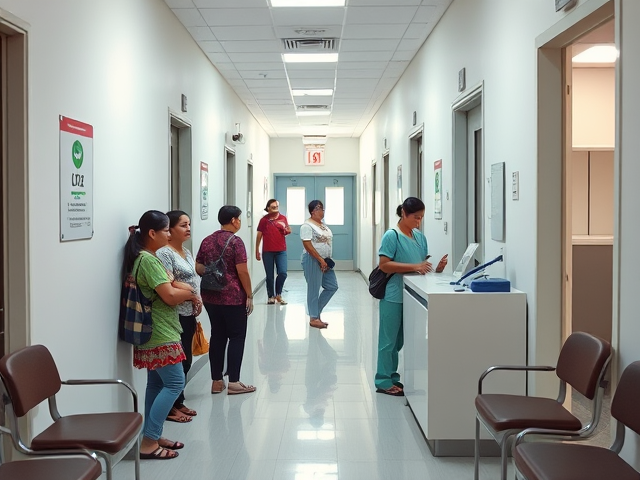
The Philippines healthcare sector is growing rapidly, with more private clinics opening in urban and provincial areas. But growth brings pressure. Clinics that once managed steady patient traffic now face overwhelming footfall, especially in densely populated regions like Metro Manila, Cebu, and Davao.
Poor patient flow does not just inconvenience visitors — it affects clinical outcomes. Delayed consultations lead to worsened conditions, frustrated patients share negative reviews online, and clinics lose revenue from walkaways. A well-implemented queuing system addresses these problems at the root by creating order, transparency, and efficiency in every patient interaction.
The foundation of better patient flow lies in adopting the right queuing system and operational practices. Here are the proven approaches that clinics across the Philippines are using to transform their patient queue system:

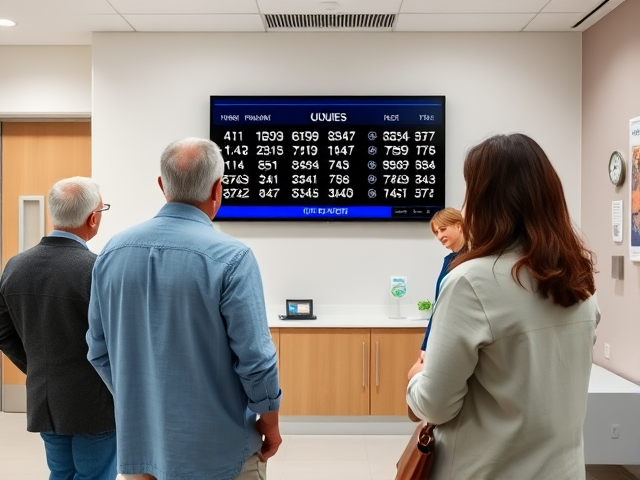
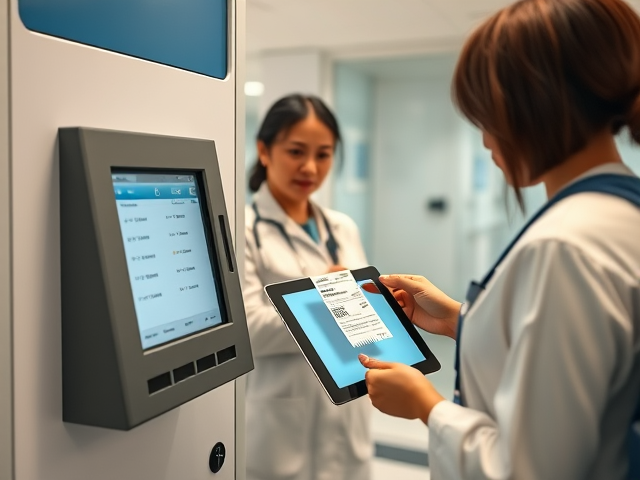
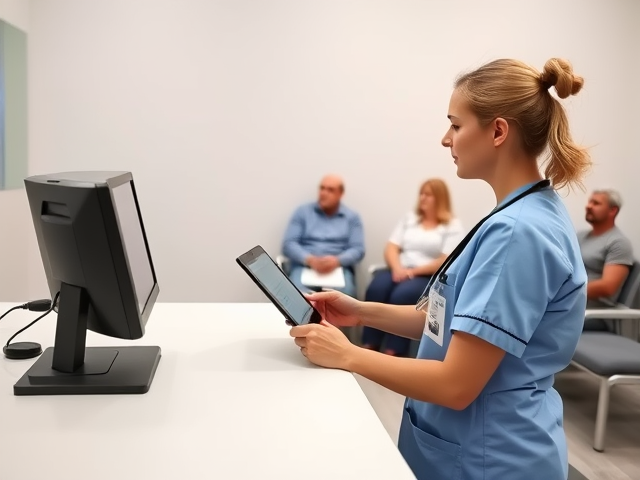
Long wait times are the number one complaint patients have in Philippine clinics. Studies show that patients begin feeling anxious after just five minutes of waiting. When a clinic operates without a proper queuing system, wait times easily stretch to 45 minutes or more, causing frustration and walkaways.
A smart queuing system solves this by organizing patient arrivals into an orderly digital line. Patients receive accurate wait time estimates, and clinic staff can manage consultations more efficiently. By keeping wait times within a reasonable range, clinics show respect for patient time and dramatically improve the customer experience.
When a patient queue system is in place, the entire clinic runs smoother. Doctors can focus on treatment instead of crowd control. Nurses spend less time answering "how long is the wait" questions. And patients leave feeling valued rather than neglected.
Communication is the backbone of patient satisfaction. In a busy clinic, patients need to know their place in the queue, how long they will wait, and when to proceed to the consultation room. Without this information, anxiety builds and the customer experience suffers.
A modern queuing system provides real-time communication through multiple channels:
By integrating seamless communication into the queuing process, clinics transform a stressful waiting experience into a transparent and predictable one. Patients feel respected, staff feel less pressured, and the overall customer experience improves significantly.
In healthcare, managing patient flow is not just about efficiency — it is about safety and comfort. Overcrowded waiting rooms increase the risk of cross-infection, cause discomfort for elderly patients, and create a stressful environment for everyone.
Whether it is a Monday morning rush or a flu season surge, the patient queue system adjusts in real time to handle fluctuations in patient volume without manual intervention.
Efficient crowd management is essential for any clinic serving the public. It is not just about organizing lines — it is about creating a safe, comfortable, and respectful environment where patients feel cared for from arrival to departure.

In the Philippine healthcare market, patient loyalty is earned through experience. A single negative visit can drive a patient to a competitor clinic. Here is how a proper queuing system elevates the customer experience in healthcare:
Effective patient flow management is a continuous journey of understanding and responding to patient needs. Implementing a robust queuing system is a powerful step in this journey, ensuring that every interaction counts towards building a strong, lasting relationship with your patients.

Imagine a clinic where nurses spend their day managing crowds instead of caring for patients. This is the reality in many Philippine clinics without a proper patient queue system. Staff burnout is real, and it affects the quality of care delivered.
When a queuing system handles the organization of patients, medical staff can focus on what they do best — providing quality healthcare. Doctors spend less time managing lines and more time with patients. Nurses can prioritize urgent cases with clarity. Front desk staff are relieved from constant crowd management duties.
A modern queuing system takes the burden off your staff by automating patient flow management. No more shouting queue numbers, no more confused patients asking where to stand, and no more disputes over who came first.
When staff are not constantly putting out fires caused by poor patient flow, they are free to deliver exceptional care. This improves morale, reduces turnover, and elevates the overall quality of healthcare service at the clinic.
In the Philippine healthcare sector, operational costs are a constant concern. Inefficiencies in patient flow directly impact revenue — patients who walk away from long queues represent lost consultations, lost follow-ups, and lost trust.
A well-designed patient queue system addresses these inefficiencies at every level:
Free from the constraints of managing chaotic queues, your clinic can focus on expanding services, adding new doctors, and growing its patient base across the Philippines.
The impact of a proper queuing system on clinic operations can be substantial. By improving productivity and efficiency, it opens the door to significant operational cost savings and allows the clinic to serve more patients without compromising quality.
A modern queuing system does more than manage lines — it provides valuable data across the entire patient journey. This data is essential for clinic owners and administrators making smarter, more informed decisions.

For Philippine clinics looking to improve patient flow, the queuing system is not just a tool — it is a strategic advantage. The data it provides enables continuous improvement, better resource allocation, and a patient experience that keeps visitors coming back.
Not all queuing systems are created equal. When selecting a patient queue system for your clinic in the Philippines, consider these essential features:
Ready to revolutionize patient flow in your busy clinic? Discover how QueueBee's queuing system can transform your clinic operations, reduce wait times, and elevate the customer experience for every patient.
Contact us today for a personalized solution tailored to your clinic's needs


Security | Quality | Reliability