
Singapore's healthcare landscape is evolving rapidly, with clinics across the island managing increasing patient volumes daily. From polyclinics to private GP practices, the pressure on healthcare providers to deliver timely, efficient service has never been greater. Long waiting times, overcrowded consultation rooms, and frustrated patients have become common complaints that directly impact the overall customer experience.
When patients arrive at a busy clinic and face unpredictable wait times, the stress of waiting often overshadows the quality of medical care they eventually receive. This is not merely an inconvenience — it affects patient satisfaction, staff morale, and the clinic's reputation. The solution lies in adopting a structured queuing system that transforms chaotic patient flow into a smooth, predictable, and professional experience.
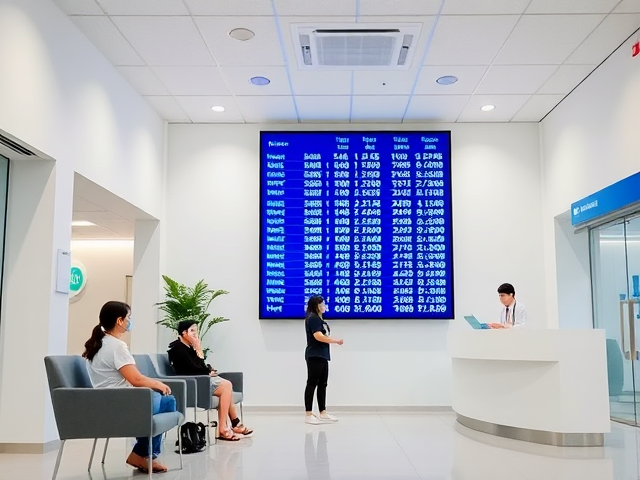
In Singapore's competitive healthcare market, patient flow is no longer a backend operational concern — it is a core component of customer experience. Patients today expect the same level of efficiency they receive from digital services, retail stores, and food outlets. When a clinic fails to manage patient flow effectively, the consequences extend far beyond longer queues.
Poor patient flow leads to missed appointments, staff burnout, inconsistent service quality, and ultimately, patients seeking care elsewhere. A well-designed patient queue system addresses these challenges by introducing order, transparency, and predictability into the clinic's daily operations. This is especially critical in Singapore, where healthcare demand continues to rise and patients have more choices than ever before.
Types of Queuing Systems for Clinics
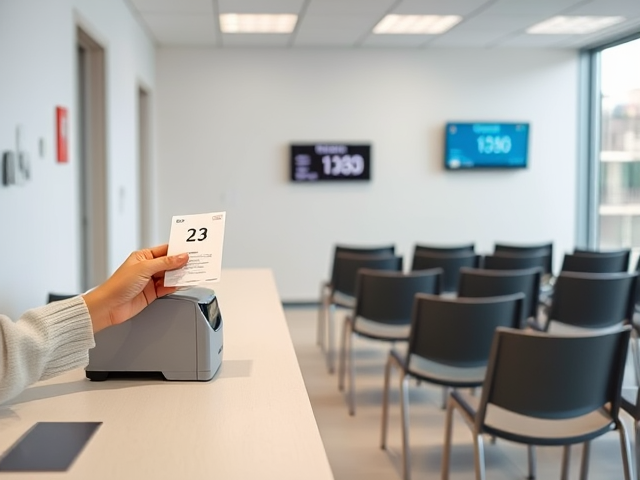
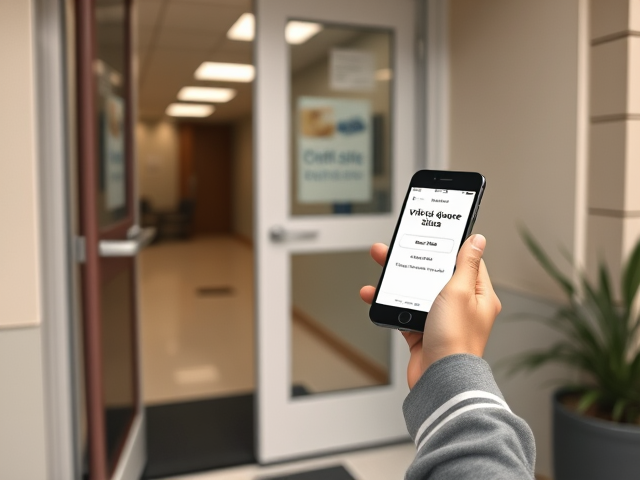
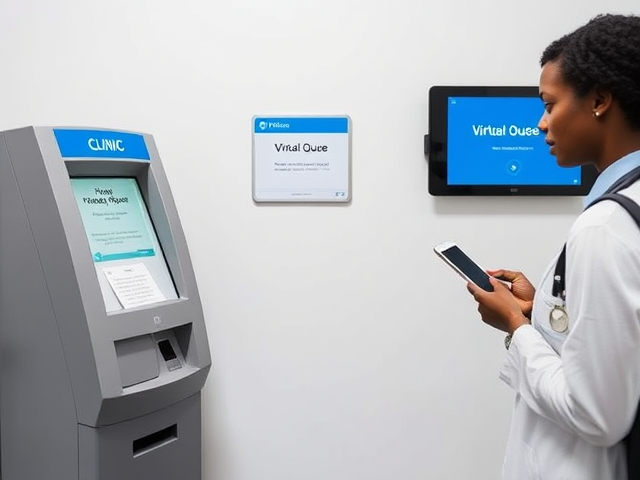
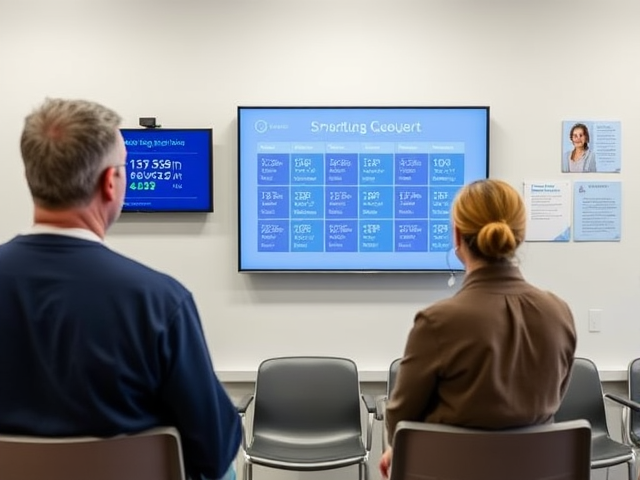
The most immediate way to improve patient flow is by deploying a reliable queuing system that eliminates guesswork from the waiting process. Studies show that patients begin to feel anxious after just five to ten minutes of waiting without clear information about their position in the queue. When patients know exactly where they stand and how long they will wait, their perception of the wait time improves dramatically.
A well-implemented patient queue system ensures that patients are called in the correct order, reduces no-shows through automated reminders, and provides real-time updates via SMS or digital displays. For busy clinics in Singapore, this means smoother consultations, fewer complaints, and a noticeably better customer experience from the moment a patient walks through the door.
By integrating a virtual queuing system, clinics can also allow patients to wait off-site, which reduces physical congestion in waiting areas and creates a more comfortable environment for those who do arrive early. This approach not only improves patient satisfaction but also helps clinic staff manage their schedules more effectively.
Communication is the backbone of any successful patient flow strategy. When patients are left in uncertainty about their wait time, frustration builds quickly. A modern queuing system addresses this by providing multiple communication channels that keep patients informed at every stage of their visit.
Here is how improved communication through a patient queue system transforms the clinic experience:
By integrating seamless communication into the queuing process, clinics in Singapore can turn what was once a source of patient frustration into a demonstration of professionalism and care. This not only improves the customer experience but also reinforces the clinic's reputation as a modern, patient-focused healthcare provider.
One of the biggest challenges in busy clinics is the uneven distribution of patients throughout the day. Morning rushes and afternoon lulls create bottlenecks that overwhelm staff and frustrate patients. A smart queuing system helps balance patient flow by enabling appointment scheduling alongside walk-in queue management.
When patient flow is balanced and predictable, the entire clinic operates more efficiently. Doctors spend less time managing disruptions and more time on actual consultations. Patients receive timely care without feeling rushed, and the overall customer experience improves across the board.

In Singapore's healthcare sector, the customer experience is a key differentiator. Patients have choices, and they will gravitate toward clinics that make them feel valued, respected, and well-cared for from the moment they arrive. A well-designed queuing system is a powerful tool for elevating the patient experience at every touchpoint.
When clinics prioritise the customer experience through an effective queuing system, they do more than manage lines — they build loyalty. Patients who feel respected and well-managed are more likely to return, recommend the clinic to others, and engage positively with the healthcare team.
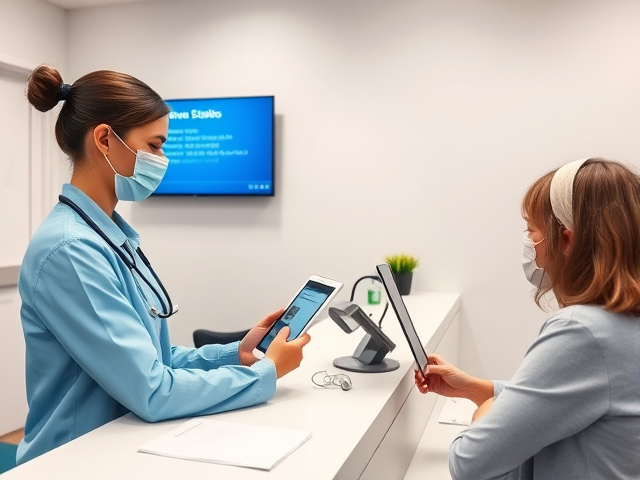
Behind every busy clinic are healthcare professionals who work tirelessly to serve patients. When patient flow is chaotic, the burden on front-desk staff, nurses, and doctors increases dramatically. Constantly managing walk-in queues, fielding patient inquiries about wait times, and dealing with frustrated patients takes a toll on staff morale and productivity.
A queuing system alleviates this burden by automating the most time-consuming aspects of patient management. Front-desk staff no longer need to manually assign queue numbers or repeatedly update waiting patients. Nurses can focus on triage and preparation rather than crowd control. Doctors receive patients in a predictable, orderly manner, allowing them to concentrate on delivering quality care.
Automated queue management reduces the administrative load on clinic staff, allowing them to redirect their energy toward patient care. With a queuing system handling the logistics, staff experience less stress, fewer conflicts with patients, and a more positive work environment. This translates into better retention, higher job satisfaction, and ultimately, better healthcare delivery.
When staff are empowered by efficient systems, they are more engaged, more productive, and more capable of providing the compassionate care that patients expect. This is a critical factor in improving patient flow and ensuring that busy clinics in Singapore can scale their operations without compromising on service quality.
A modern queuing system does more than manage patient flow — it generates valuable data that clinic owners and administrators can use to make smarter operational decisions. By tracking metrics such as average wait times, peak patient hours, consultation duration, and no-show rates, clinics gain a comprehensive understanding of their daily operations.
These insights empower clinic management to make evidence-based decisions that improve both operational efficiency and the patient experience. Over time, this data-driven approach leads to a more responsive, agile, and patient-centric healthcare facility.
Singapore's healthcare sector is highly competitive, with patients increasingly choosing clinics based on convenience, efficiency, and overall experience. Clinics that cling to outdated manual queue management methods risk losing patients to competitors who offer a more modern, streamlined experience.
Implementing a patient queue system is not just an operational upgrade — it is a strategic investment in your clinic's future. It signals to patients that your clinic values their time, respects their comfort, and is committed to delivering world-class healthcare service. In a market where customer experience is a key decision factor, this positioning can be the difference between a thriving clinic and one that struggles to retain patients.
QueueBee's queuing system is designed specifically for healthcare environments like clinics in Singapore. It offers virtual queueing, appointment scheduling, real-time notifications, multi-doctor coordination, and comprehensive analytics — all in one integrated platform. By adopting QueueBee, clinics can transform their patient flow from a source of frustration into a competitive advantage.
Ready to improve patient flow in your busy clinic in Singapore? Discover how QueueBee's queuing system and patient queue system can streamline your operations, reduce wait times, and elevate your customer experience.
Contact us today for a personalised solution


Security | Quality | Reliability