
Walk through any busy shopping mall in Phnom Penh during peak hours, and you will notice a familiar scene: long lines snaking past checkout counters, shoppers checking their watches, and growing frustration on faces. In Cambodia's rapidly growing retail sector, where foot traffic continues to surge, checkout waiting time has become one of the most pressing operational challenges for store managers and business owners alike.
Long queues are not merely an inconvenience. They directly impact customer experience, reduce repeat visits, and ultimately affect revenue. A recent industry survey revealed that over 60% of Cambodian shoppers have walked away from a store because of excessive checkout wait times. This is where modern retail queuing systems come into play, offering a practical and proven solution to transform the checkout experience.
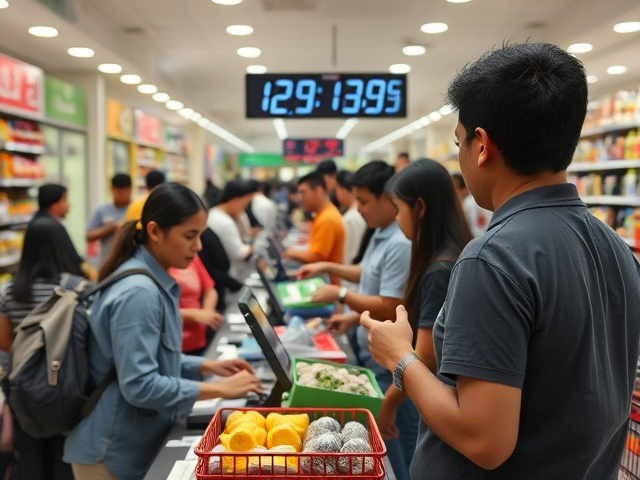
In today's fast-paced retail environment, customers expect speed and efficiency. The average shopper in Cambodia is willing to wait no more than 5 to 7 minutes at the checkout before becoming dissatisfied. Beyond that threshold, the risk of lost sales increases dramatically.
For retail businesses operating in competitive markets like Phnom Penh, Siem Reap, and Sihanoukville, long checkout lines are not just a customer service issue. They represent a significant revenue leak. Every customer who leaves without completing a purchase is a missed opportunity. Moreover, poor checkout experiences damage brand reputation and erode customer loyalty in an era where word-of-mouth and online reviews carry immense weight.
Types of Queuing Systems Available
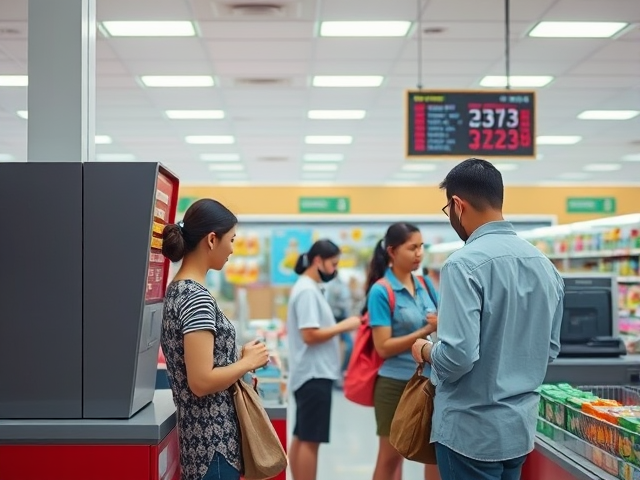
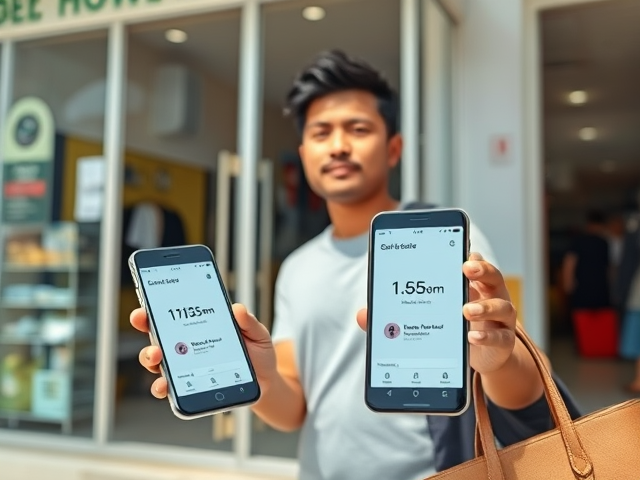
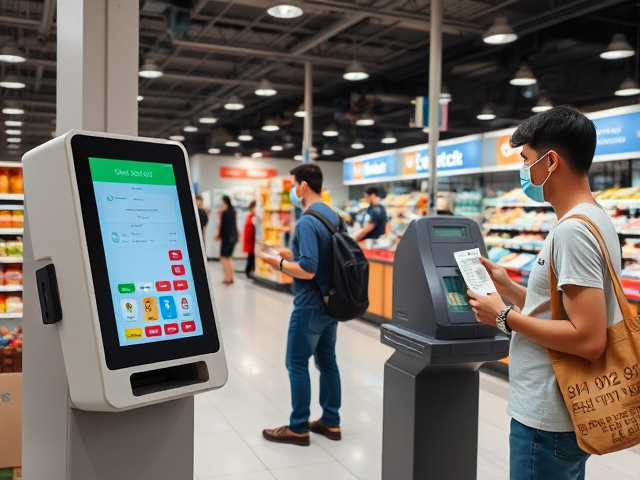
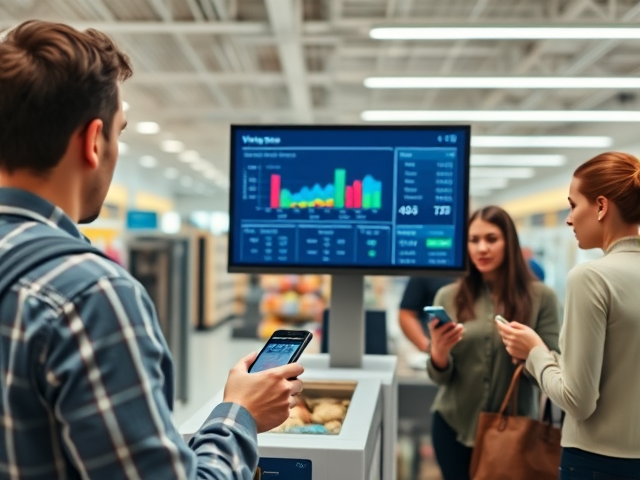
Virtual queuing is the most effective way to reduce checkout waiting time in Cambodian retail stores. By allowing customers to join a queue from anywhere, you eliminate the frustration of standing in line and give shoppers the freedom to spend their time productively.
Research shows that customers who use a virtual queuing system perceive their wait time as significantly shorter than those waiting in a physical line. This psychological benefit, combined with the practical advantage of not being confined to a single spot, makes virtual queuing a game-changer for retail operations.
For Cambodian retailers, implementing a virtual queuing system is straightforward. Customers can join the queue via a mobile app, SMS, or a web portal. Once it is their turn, they receive a notification and proceed directly to the checkout counter. This streamlined process not only reduces actual wait times but also enhances the overall customer experience.
Communication is the backbone of any successful queuing system. When customers know exactly where they stand in line and how long they will wait, anxiety drops and satisfaction rises. Real-time queue monitoring ensures that every shopper stays informed throughout their entire customer journey.
Here is how real-time monitoring transforms the checkout experience:
By integrating real-time queue monitoring into your retail queuing systems, you create a transparent and reliable checkout environment. Whether through digital displays, mobile notifications, or SMS updates, customers stay informed and engaged from the moment they join the queue until they complete their purchase.
In busy Cambodian retail stores, managing customer flow at checkout is essential for reducing wait times and maintaining a positive shopping environment. Efficient crowd management ensures that every customer is guided smoothly to the available checkout lanes, preventing bottlenecks and overcrowding.
Efficient crowd management at checkout is vital for any retail business in Cambodia. It is not just about guiding people to counters; it is about creating an orderly, comfortable environment where customers feel respected and valued. This approach enhances the entire shopping experience and strengthens customer loyalty.
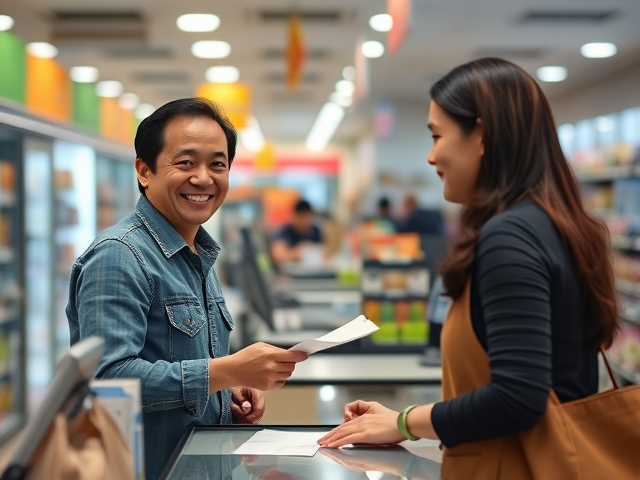
In Cambodia's evolving retail sector, outstanding customer experience is no longer optional. It is the primary differentiator between stores that thrive and those that struggle. Here is how effective retail queuing systems elevate the customer experience at checkout:
Effective customer experience management is a continuous journey. Implementing robust retail queuing systems is a powerful step toward ensuring that every checkout interaction contributes to building a strong, lasting relationship with your customers.
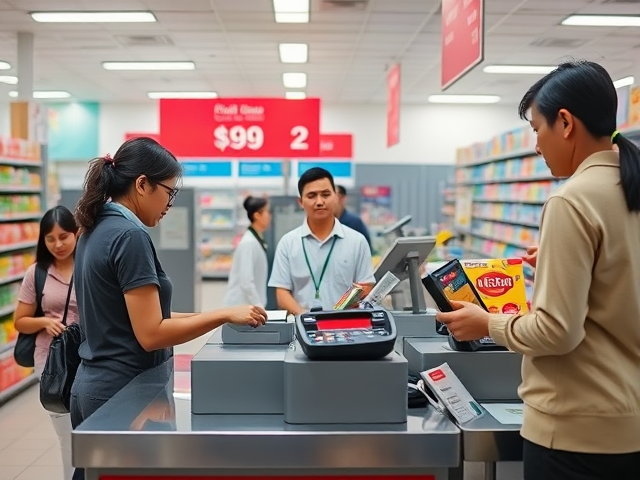
Long checkout lines do not only frustrate customers. They also place immense pressure on retail staff. Cashiers and floor managers constantly deal with impatient shoppers, complaints, and the stress of managing overcrowded checkout areas. This daily grind can quickly erode staff morale and increase turnover rates.
When a queuing system is in place, the dynamic changes completely. Customers are informed, organized, and less likely to express frustration toward staff. This reduces the emotional burden on employees and allows them to focus on what they do best: providing excellent service at the checkout counter.
A modern queuing system streamlines the entire checkout process. Customers know exactly what to expect and when. They are less likely to take out their frustration on staff because they are not caught in an endless loop of uncertainty. This transparency benefits both customers and employees.
When staff are no longer constantly managing chaos caused by long waits and poor communication, they are free to deliver outstanding service. They can focus on assisting customers, handling transactions efficiently, and creating a welcoming atmosphere. This not only improves team morale but also elevates the overall quality of service across the store.
In retail, inefficiencies at checkout directly impact the bottom line. Long queues lead to abandoned carts, lost sales, and wasted staff hours. Consider this: if a store loses just five customers per day due to long checkout waits, that is a significant revenue leak that compounds over time.
Queuing systems address these inefficiencies head-on:
The financial impact of implementing a queuing system can be substantial. By improving productivity and reducing operational waste, Cambodian retailers can redirect resources toward growth initiatives and customer retention strategies.
Modern retail queuing systems do more than manage lines. They collect valuable data across the entire customer journey. This data is essential for making smarter, more informed decisions that improve operations and enhance the customer experience.
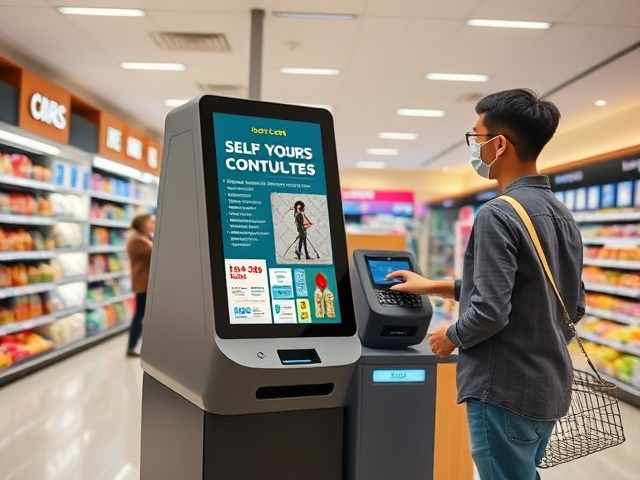
Cambodia's retail sector is undergoing rapid transformation. With increasing digital adoption and changing consumer expectations, retailers who fail to modernize their checkout processes risk falling behind. The future of retail in Cambodia belongs to businesses that embrace technology to deliver faster, smoother, and more enjoyable shopping experiences.
Queuing systems are at the forefront of this transformation. They provide the infrastructure needed to manage customer flow efficiently, reduce wait times, and gather actionable insights. As more Cambodian retailers adopt these solutions, the standard for customer experience will continue to rise.
For store owners and managers, the message is clear. Investing in retail queuing systems is not just about solving a current problem. It is about positioning your business for long-term success in an increasingly competitive market.
Ready to transform the checkout experience in your Cambodian retail store? QueueBee's retail queuing systems are designed to eliminate long lines, improve customer experience, and boost operational efficiency. Whether you run a single store or a multi-location retail chain, QueueBee offers a tailored solution that fits your needs.
Contact us today for a personalised demonstration and see how QueueBee can revolutionize your retail operations.


Security | Quality | Reliability