
Walking through any major shopping mall in Singapore on a weekend afternoon, you will notice something familiar: long checkout lines stretching past the tills, shoppers checking their watches, and growing impatience in the air. From Orchard Road's flagship stores to neighbourhood hawker centres and convenience chains, checkout waiting time remains one of the most persistent pain points in Singaporean retail.
Research shows that the average Singaporean shopper spends approximately 12 to 18 minutes waiting in checkout queues during peak hours. For retail businesses, every minute of idle waiting translates directly into lost sales, frustrated customers, and damaged brand reputation. In a market where competitors are just a short walk or tap away, the cost of slow checkout processes is simply too high to ignore.
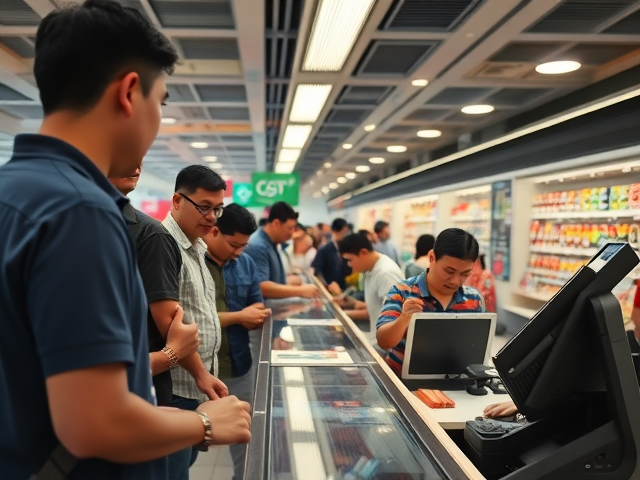
Singapore's retail landscape has evolved dramatically. With the rise of e-commerce giants, cashless payment adoption, and increasingly time-conscious consumers, shoppers no longer tolerate unnecessary delays. A 2025 consumer survey revealed that 68% of Singaporean shoppers would switch to a competing store if they encountered a checkout queue exceeding ten minutes.
The financial impact is substantial. Long checkout lines cause an estimated 23% of shoppers to abandon their purchases entirely, while another 34% leave with reduced baskets to avoid the wait. For retail businesses operating on thin margins, these are not just inconveniences — they are direct revenue leaks that compound daily across every branch.
Proven Approaches for Singaporean Retailers
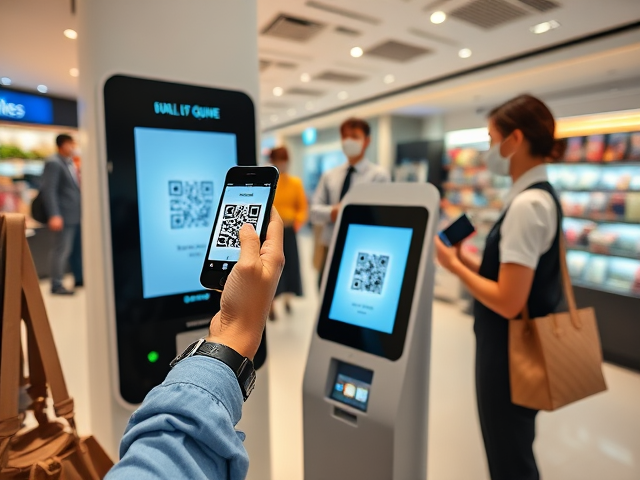
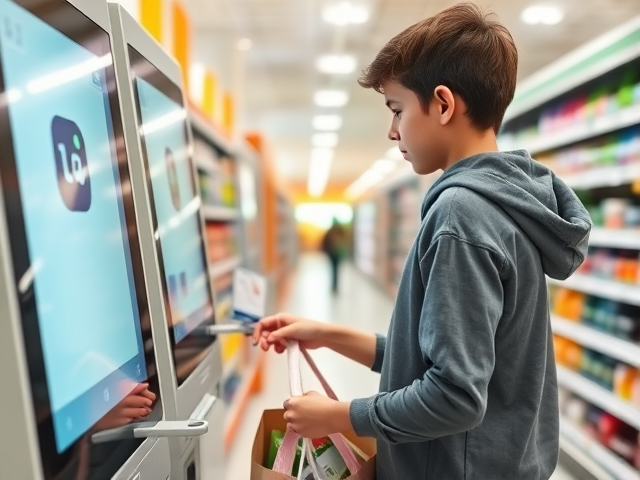
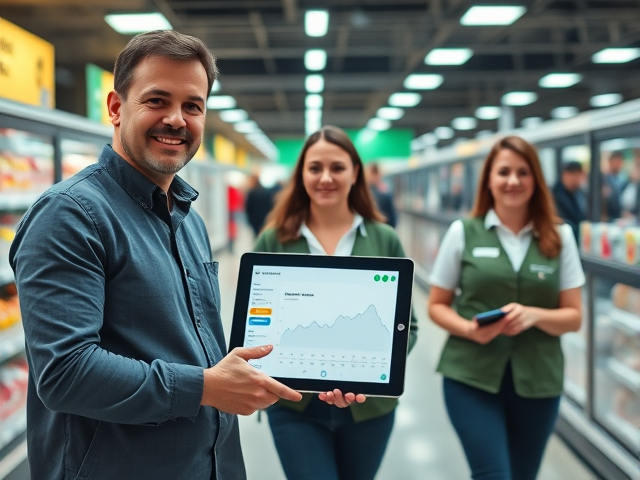
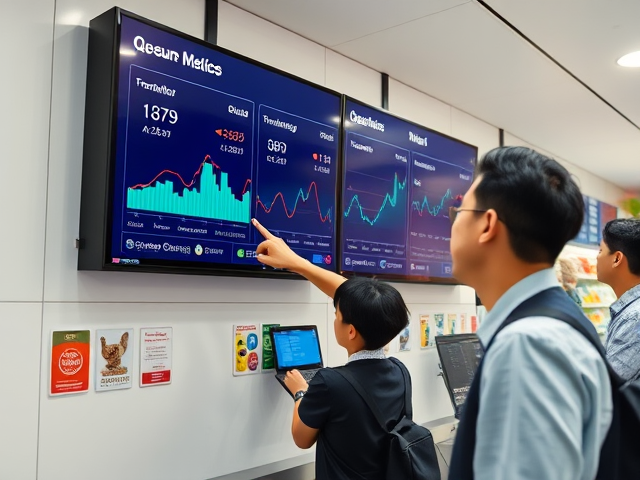
The foundation of any successful checkout optimisation strategy is a robust retail queuing system. These platforms consolidate queue management, staff scheduling, and customer communication into a single unified dashboard. For Singaporean retailers, this means real-time visibility into every checkout lane across all branches.
Modern retail queuing systems use predictive analytics to anticipate peak periods based on historical data, weather patterns, and local events. When the system detects an incoming surge, it can automatically alert managers, trigger additional staff alerts, and even adjust digital signage to guide customers to less congested areas. This proactive approach transforms checkout management from reactive firefighting into precise operational control.
By keeping average wait times below the critical five-minute threshold, retailers protect their revenue and, more importantly, their customer experience. A well-implemented retail queuing system doesn't just shorten lines — it reshapes the entire checkout journey into a smooth, predictable, and positive interaction.
One of the most overlooked factors in checkout waiting time is psychological. Research in consumer behaviour consistently shows that uncertain waits feel significantly longer than known waits. When a customer has no idea how long they will wait, anxiety builds and satisfaction plummets. Retail queuing systems solve this problem through transparent, real-time communication.
Here is how improved communication transforms the checkout experience:
By integrating seamless communication into the queuing process, Singaporean retailers can transform what was once a source of frustration into a demonstration of operational excellence and customer care.
Efficient queue management goes beyond simply adding more tills. It requires a holistic approach to checkout flow optimisation that considers store layout, payment methods, staff training, and technology integration. For Singaporean retailers, this means creating a checkout environment that handles volume gracefully without compromising service quality.
When these elements work together, the result is a checkout experience that feels effortless to the customer and highly efficient for the retailer. This is the hallmark of a mature retail queuing system in action.
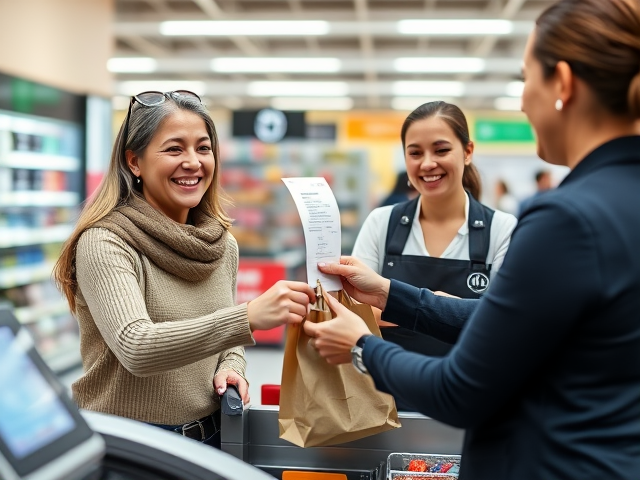
In Singapore's hyper-competitive retail market, customer experience is the ultimate differentiator. Every interaction shapes how a shopper perceives your brand, and the checkout is often the final and most memorable touchpoint of the shopping trip. A smooth, fast checkout reinforces positive feelings; a slow one can undo hours of excellent merchandising and service.
Investing in a retail queuing system is not merely an operational upgrade — it is a strategic commitment to delivering an exceptional customer experience at every stage of the shopping journey.
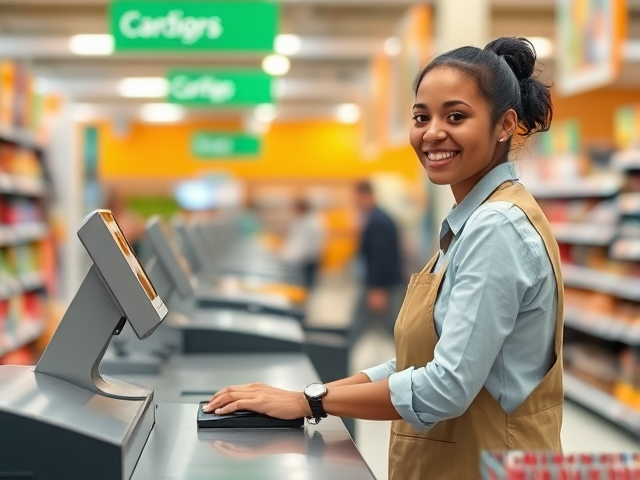
Long checkout queues do not just frustrate customers — they also take a heavy toll on retail staff. Cashiers and checkout associates who constantly manage angry customers, handle complaints about wait times, and work under intense pressure experience higher stress levels and increased turnover. For Singaporean retailers already facing tight labour markets, this is a critical concern.
When a retail queuing system takes over the burden of queue management, staff can focus on what they do best: serving customers with warmth and efficiency. They are no longer the face of a broken process but the ambassadors of a well-oiled operation.
Staff receive real-time alerts about peak periods, enabling them to prepare before queues form. They gain visibility into customer flow across all lanes, allowing them to redistribute effort dynamically. And perhaps most importantly, they experience fewer confrontations and complaints, leading to higher job satisfaction and lower attrition rates.
Happy, efficient staff deliver better service, which further reduces wait times and improves the customer experience. It is a virtuous cycle that starts with the right retail queuing system and compounds over time.
Checkout inefficiency is expensive. Every minute a customer spends waiting is a minute they are not spending shopping. Every abandoned purchase is revenue lost. Every dissatisfied shopper is a potential lifetime customer gone to a competitor. For multi-branch retailers in Singapore, these losses multiply rapidly across locations and days.
A modern retail queuing system addresses these costs at their source:
The return on investment for a retail queuing system is often realised within months. For Singaporean retailers, the combination of reduced operational costs and increased customer retention creates a compelling business case for adoption.
One of the most powerful advantages of a modern retail queuing system is the wealth of data it generates. Every queue interaction, every transaction, and every peak period becomes a data point that can be analysed to continuously improve operations.
Data-driven decision making transforms checkout management from guesswork into a precision discipline. For Singaporean retailers committed to operational excellence, this is not optional — it is essential.
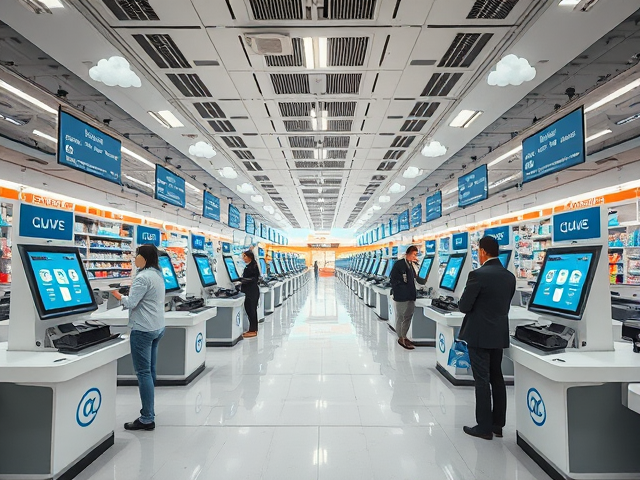
Singapore's retail sector is evolving rapidly. Omnichannel shopping, same-day delivery expectations, and the integration of physical and digital experiences are reshaping what customers demand. A retail queuing system that works today must also scale and adapt for tomorrow.
Cloud-based retail queuing platforms offer the flexibility to expand across new branches, integrate with emerging payment technologies, and incorporate AI-driven predictions as capabilities advance. For Singaporean retailers planning long-term growth, scalability is not a nice-to-have — it is a prerequisite.
By choosing a retail queuing system designed for expansion, you future-proof your checkout operations and ensure that every new store launch or service upgrade builds on a proven, efficient foundation.
Ready to transform your checkout experience and win back Singaporean shoppers? QueueBee's retail queuing systems are purpose-built for high-traffic retail environments, combining virtual queuing, real-time analytics, and seamless staff coordination to eliminate wait times and elevate your customer journey.
Contact us today for a personalised demo and see how much time your business can save.


Security | Quality | Reliability