
Walk through any major shopping mall in Metro Manila, Cebu, or Davao on a weekend afternoon and you will notice something familiar: long lines at food courts, crowded service counters, and shoppers looking visibly frustrated. The Philippines is home to over one thousand shopping centres, and foot traffic continues to grow year after year. Yet, most of these establishments still rely on outdated, manual queue management methods that leave customers waiting and staff overwhelmed.
When shoppers spend hours navigating chaotic queues just to buy a meal, pay a bill, or visit a service counter, the entire shopping experience suffers. Long wait times do not just cause annoyance; they drive customers away from the mall entirely. A modern queue management system is no longer a luxury for Philippine shopping centres; it is a necessity for staying competitive and delivering the customer experience that today's shoppers expect.
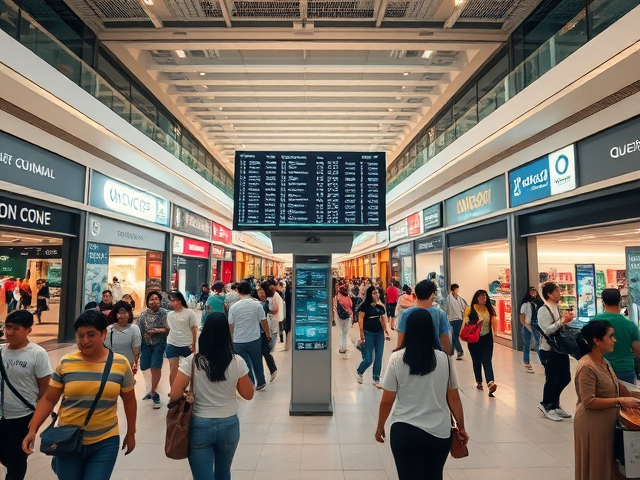
Philippine shopping centres operate in one of the most dynamic retail environments in Southeast Asia. With peak hours that can see thousands of visitors in a single day, managing customer flow manually is simply not sustainable. A smart queue system gives mall operators the tools to control congestion, reduce bottlenecks, and ensure that every shopper enjoys a smooth and enjoyable visit.
The impact of poor queue management goes beyond customer frustration. It affects tenant satisfaction, reduces dwell time, and ultimately lowers spending within the mall. When shoppers leave early because of long lines, the entire ecosystem of retailers, food and beverage outlets, and service providers loses revenue. A well-implemented queue management system protects the interests of every stakeholder in the shopping centre.
Understanding the options available helps mall operators choose the right approach for their specific needs.
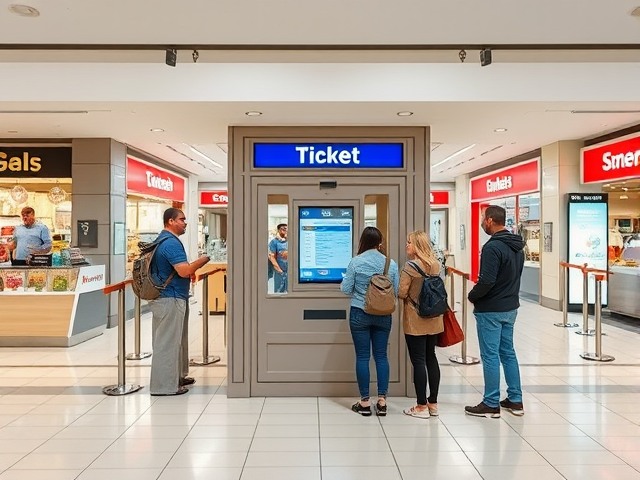
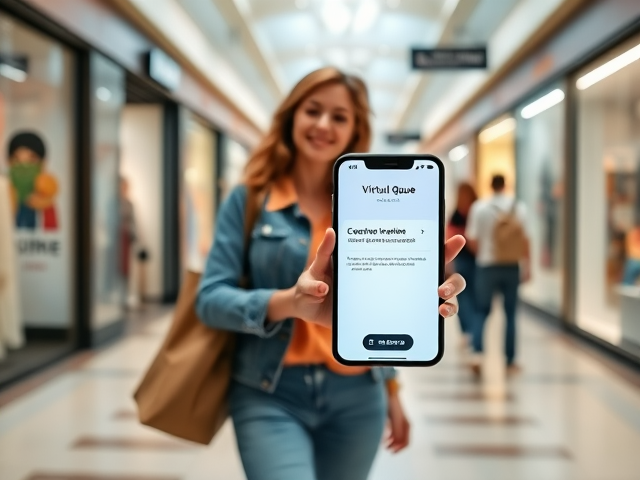
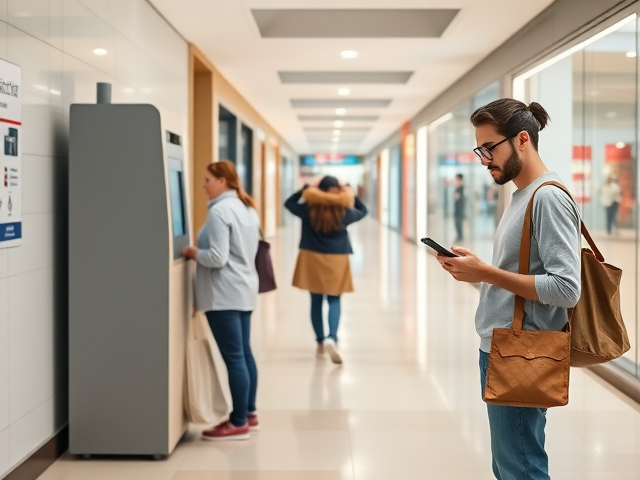

Research shows that most shoppers will abandon a queue after waiting just five to ten minutes. In Philippine shopping centres where peak hours can stretch well beyond this threshold, the risk of walkaways is extremely high. A queue management system ensures that wait times stay within acceptable limits by intelligently distributing customers across available service points.
When shoppers know they will not have to wait in a long line, they are more likely to stay longer in the mall, visit more tenants, and spend more money. Shorter queues also mean happier customers who are more likely to return and recommend the shopping centre to friends and family. This is the foundation of a successful queue system for any retail environment.
By integrating a smart queue system into mall operations, administrators gain real-time visibility into queue lengths and can dynamically adjust staffing and service capacity. This proactive approach prevents bottlenecks before they form and keeps the entire shopping experience running smoothly.
Communication is the backbone of a positive customer experience. When shoppers are left guessing about how long they will have to wait, frustration builds quickly. A modern queue management system solves this problem by providing transparent, real-time updates that keep customers informed at every stage.
Imagine a mall where shoppers receive instant notifications about their position in the queue, estimated wait times, and service availability. This level of transparency delivers several key benefits:
By integrating seamless communication into the queuing process through digital displays, mobile apps, and automated SMS or WhatsApp notifications, shopping centres in the Philippines can turn what was once a pain point into a competitive advantage.
Shopping centres in the Philippines face unique crowd management challenges. During holiday seasons, back-to-school periods, and major sales events, foot traffic can surge dramatically. Without a smart queue system in place, these peaks can quickly overwhelm service areas and create chaotic environments that drive shoppers away.
Efficient crowd management is essential for any shopping centre that wants to retain its competitive edge. It is not just about guiding people; it is about creating an environment where customers feel valued, respected, and eager to return.

In the Philippine retail landscape, customer service is a key differentiator. Shoppers have more choices than ever, and they will quickly move to a competing mall if their experience falls short. A queue management system plays a critical role in elevating the standard of service across every touchpoint in the shopping centre.
Effective customer service is a continuous journey of understanding and responding to shopper needs. Implementing a robust queue management system is a powerful step in this journey, ensuring that every interaction counts towards building a strong, lasting relationship between the shopping centre and its customers.
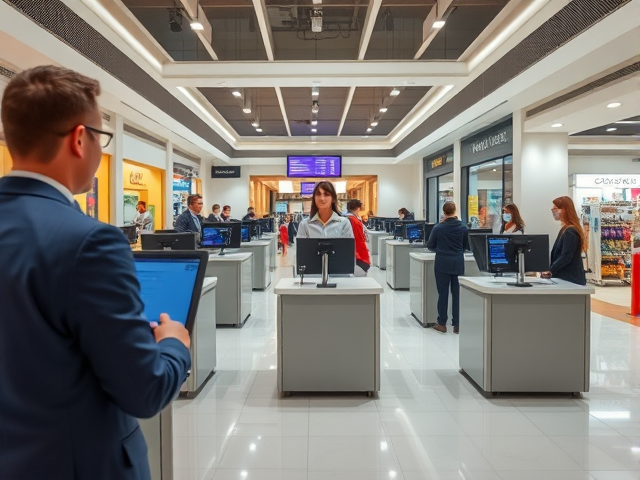
Consider the daily reality of mall staff in the Philippines. During peak hours, cashiers, customer service representatives, and food court attendants face constant pressure from long lines of impatient shoppers. The emotional toll of dealing with frustrated customers day after day is significant and can lead to burnout, high turnover, and declining service quality.
When a queue management system takes over the burden of queue control, staff members are freed from the stress of managing lines manually. They can focus on what they do best: delivering excellent service, assisting customers, and contributing to a positive mall atmosphere.
A smart queue system alleviates much of this stress by streamlining the waiting process and keeping customers informed. Shoppers know exactly what to expect and when, reducing the likelihood of frustration being directed at staff. This transparency benefits everyone in the mall ecosystem.
When staff are not constantly putting out fires caused by long waits and poor communication, they are free to focus on enhancing the customer experience, personalising interactions, and building rapport with shoppers. This not only improves morale among the team but also elevates the overall service quality of the entire shopping centre.
In the world of shopping centre management, inefficiencies are more than just inconveniences; they directly impact the bottom line. Long, unmanaged queues lead to lost sales, higher staff turnover, and wasted operational resources. When shoppers leave a mall because of poor queue management, the financial impact extends beyond the immediate tenant to the entire shopping centre ecosystem.
A modern queue management system makes a measurable difference:
The impact of a queue management system on a Philippine shopping centre can be substantial. By improving productivity and efficiency, it opens the door to significant operational cost savings and increased tenant revenue. Imagine the potential of retaining shoppers who would have otherwise walked away due to long lines. That is the transformative power of a smart queue system.
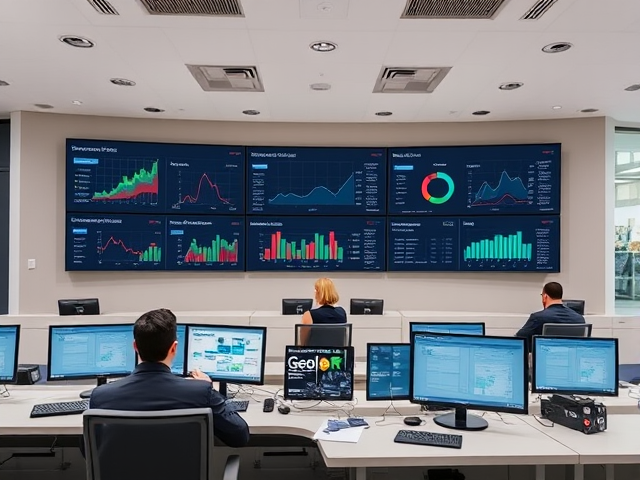
A queue management system does far more than manage lines; it provides valuable data across the entire customer journey within a shopping centre. This data is essential for mall operators who want to make smarter, more informed decisions about tenant performance, peak hours, staffing, and overall mall strategy.
Data-driven decision making is the future of shopping centre management. By leveraging the insights provided by a modern queue management system, mall operators in the Philippines can stay ahead of the competition and deliver a superior customer experience that keeps shoppers coming back.
Ready to revolutionise the customer experience in your Philippine shopping centre? Discover how QueueBee's queue management system can transform your mall operations, reduce wait times, and boost tenant satisfaction. Contact us today for a personalised solution tailored to your shopping centre's unique needs.


Security | Quality | Reliability