
Every business that serves customers face the same challenge: how to manage the flow of people efficiently. For decades, the answer was simple — stand in line. Manual queue systems have been the default method for banks, hospitals, government offices, and retail stores. Customers would arrive, wait in a physical line, and hope their turn comes soon. It was predictable, familiar, and unfortunately, often frustrating.
But times have changed. Today's customers expect speed, convenience, and transparency. They don't want to waste their valuable time standing in line. This is where a queue management system comes in — offering a digital, streamlined alternative to the traditional manual queue. But is it really worth the switch? Let's explore the key differences and why a queue management system is the clear winner for modern businesses.

In today's fast-paced world, customers have zero tolerance for long wait times. A study by Microsoft found that the average human attention span has dropped to just 8 seconds — shorter than that of a goldfish. When it comes to queuing, the threshold is even lower. Research shows that most people will walk away after waiting just 5 to 10 minutes. That's the window businesses have to make a good impression.
Manual queue systems simply cannot keep up with modern expectations. They lead to overcrowded waiting areas, frustrated customers, and lost revenue. On the other hand, a queue management system transforms the entire experience — from the moment a customer decides to visit to the moment they leave satisfied. This isn't just about convenience; it's about survival in a competitive market where customers have endless alternatives.
Understanding the Differences

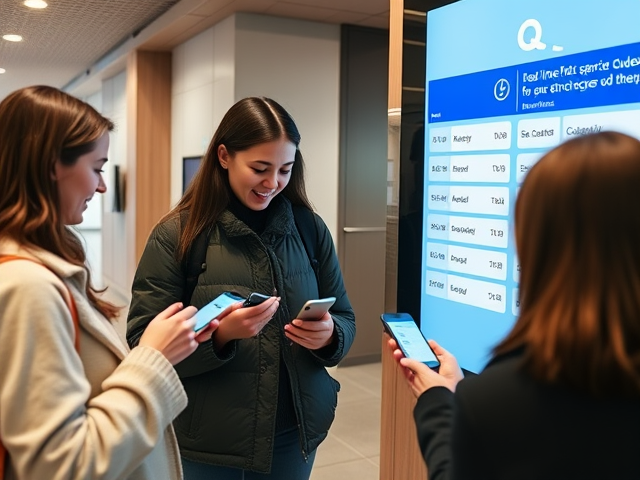

Wait times are the number one complaint customers have about businesses. With a manual queue, there's no way to predict or control how long the wait will be. Customers arrive and simply hope for the best. This uncertainty leads to frustration, walk-aways, and negative reviews.
A queue management system eliminates this problem entirely. By implementing virtual queuing, customers can join a queue remotely and receive real-time updates on their position. They no longer need to stand in line — they can wait comfortably wherever they are. This alone can reduce perceived wait times by up to 60%, dramatically improving customer satisfaction.
For businesses, shorter wait times mean higher throughput, more satisfied customers, and increased revenue. It's a win-win that manual queue systems simply cannot deliver.
Communication is the backbone of any great customer experience. With a manual queue, customers are left in the dark — no updates, no estimates, no way to know when their turn is coming. This lack of information is one of the biggest sources of anxiety and frustration.
A queue management system changes everything by providing real-time communication at every step:
By integrating seamless communication into the queuing process, a queue management system turns what was once a source of stress into a smooth, predictable experience. Customers feel valued, respected, and in control — qualities that manual queue systems simply cannot offer.
Manual queues create chaos. Without any system to manage the flow of people, waiting areas become overcrowded, uncomfortable, and sometimes even unsafe. Staff are overwhelmed trying to keep order, and customers are left frustrated.
Efficient crowd management is essential for any customer-facing business. A queue management system doesn't just organize people — it creates an orderly, comfortable environment where customers feel respected and valued.
In today's competitive market, outstanding customer service isn't just a nice-to-have; it's essential. It's the difference between a customer who comes back and one who doesn't. Here's how a queue management system elevates customer service standards compared to a manual queue:
Effective customer service is a continuous journey of understanding and responding to customer needs. Implementing a robust queue management system is a powerful step in this journey, ensuring that every interaction counts towards building a strong, lasting relationship with your customers.

Imagine your staff spending hours managing a chaotic manual queue — directing people, resolving disputes over who came first, and dealing with frustrated customers. That's time and energy that could be spent delivering actual service.
With a queue management system, staff are freed from the burden of queue management. They can focus on what they do best — serving customers with care and efficiency. The system handles the organization, the updates, and the flow, allowing your team to deliver outstanding service without the stress.
Additionally, reduced customer complaints and walk-aways mean less time spent on damage control and more time on growth. Staff morale improves significantly when they're not constantly dealing with unhappy customers caused by poor queue management.
And when staff aren't constantly putting out fires caused by long waits and poor communication, they're free to do what they do best: provide outstanding service. They can focus on enhancing the customer experience, personalising interactions, and really connecting with customers. This not only improves morale among the team but also elevates the overall service quality.
In the world of business, inefficiencies are more than just inconveniences; they directly impact your bottom line. Long, unmanaged queues lead to lost sales, wasted staff time, and missed opportunities. Take the customer who walked away because the manual queue was too long — that's revenue lost forever.
A queue management system makes a difference by:
The impact of a system like QueueBee's can be substantial. By improving productivity and efficiency, it opens the door to significant operational cost savings. Imagine the revenue retained from customers who would have otherwise walked away — that's the potential of reducing operational inefficiencies by up to 90% with a queue management system.
A queue management system does more than just manage lines — it provides valuable data across your entire customer journey. This data is key to making smarter, more informed decisions in your business, something a manual queue system can never offer.
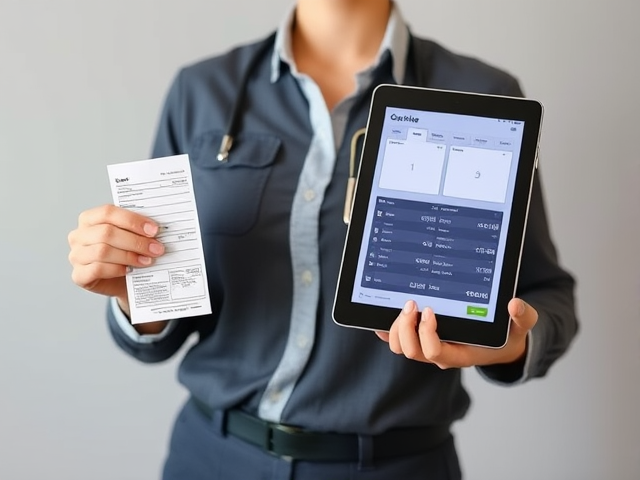
With a queue management system, you're not just managing queues — you're gaining a competitive advantage through data. Manual queue systems leave you guessing. A digital queue system gives you the clarity to make decisions that drive growth.
The answer is clear. A manual queue system may have worked decades ago, but in today's fast-paced, customer-driven world, it's simply not enough. Customers expect speed, convenience, and transparency — and a queue management system delivers all of that and more.
Here's a quick summary of why a queue management system wins every time:
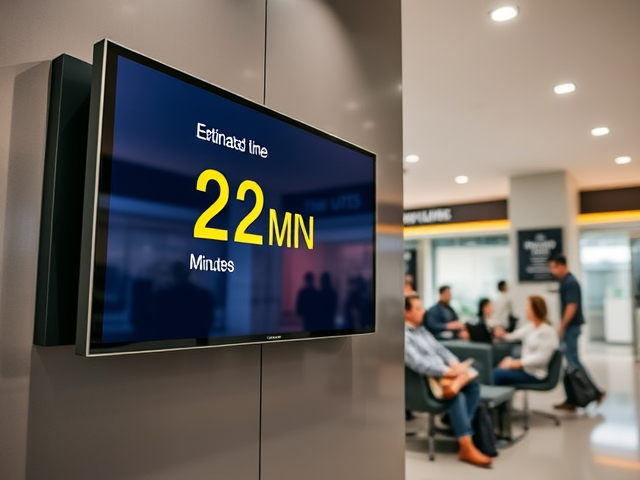

Stop losing customers to long wait times and inefficient processes. Discover how QueueBee's queue management system can transform your customer service, boost operational efficiency, and drive your business forward. Say goodbye to the frustrations of manual queues and welcome a new era of customer satisfaction and business growth.

Security | Quality | Reliability