
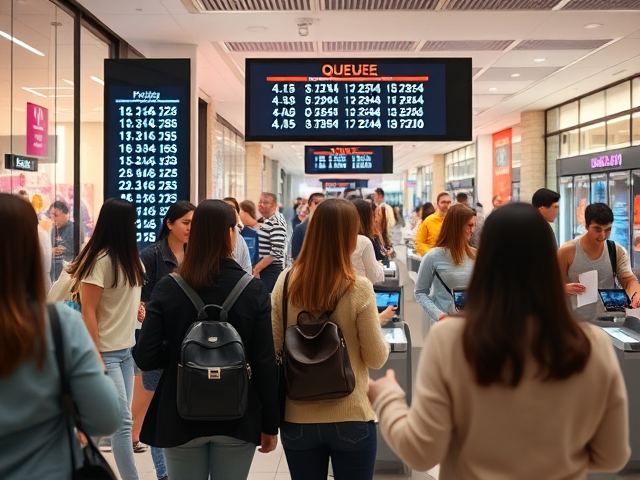
Phnom Penh's business landscape is evolving rapidly. From bustling banks and government offices to modern retail chains and healthcare clinics, customers expect faster, smoother service. Yet, many Cambodian businesses still rely on outdated first-come-first-served methods that lead to long physical lines, frustrated customers, and lost revenue.
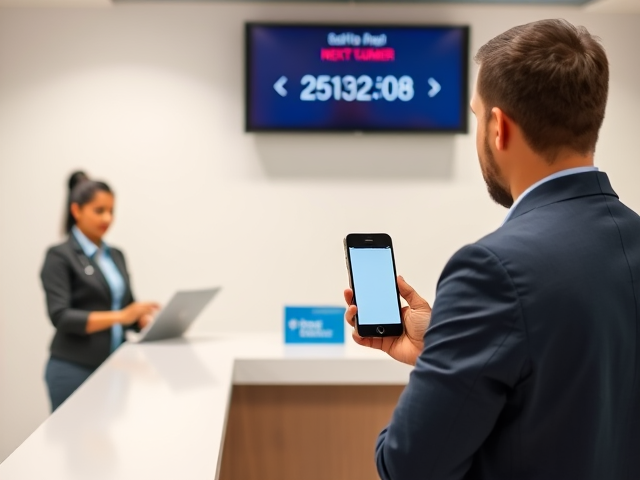
A virtual queuing system solves this problem by allowing customers to join a queue remotely through their smartphones, WhatsApp, or a web link. Instead of standing in a crowded waiting area, they receive real-time updates on their position and arrive just in time for their turn. This simple shift transforms the customer experience while freeing up valuable floor space and staff time.
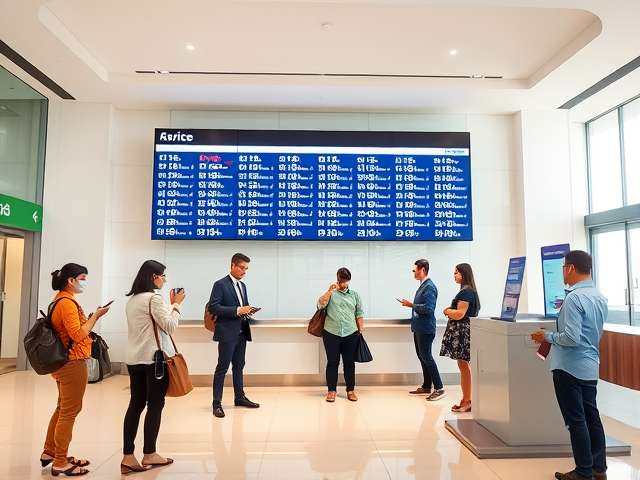
A virtual queuing system is a digital solution that replaces traditional physical lines with an online or mobile-based queue. Customers join the queue from anywhere, receive live status updates via SMS, WhatsApp, or a customer portal, and are called when their turn arrives. For Cambodian businesses, this means shorter wait times, better crowd control, and a modern service experience that builds trust and loyalty.
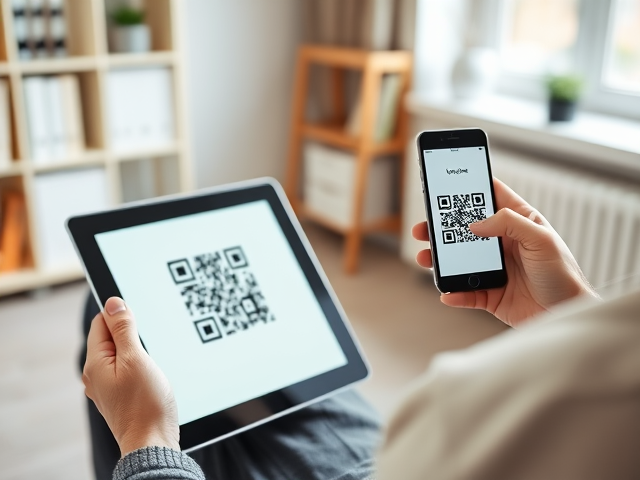
The smart queue system works across multiple channels — whether through a website booking page, a QR code at the entrance, or a direct WhatsApp link. Businesses gain full visibility into customer flow, peak hours, and service times, enabling smarter staffing and operational decisions.
Three Simple Steps To Get Started

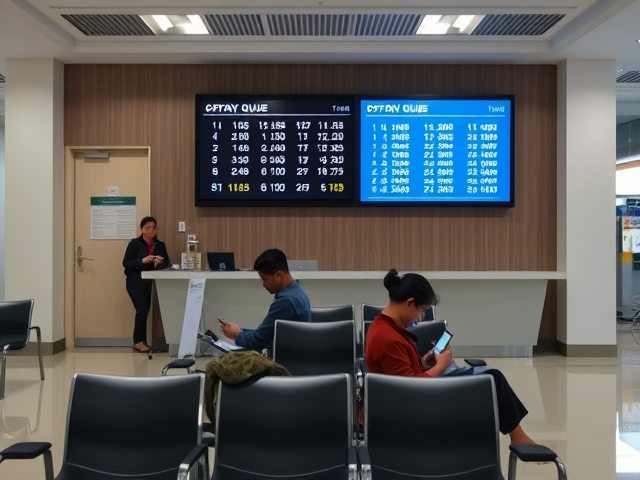
Research shows that most people tolerate only about 5 to 10 minutes of waiting before frustration sets in. In Cambodia's fast-growing service sector, customers are increasingly impatient with long physical queues at banks, hospitals, government counters, and retail stores.
A virtual queuing system eliminates the pain of standing in line. Customers join remotely, receive real-time updates, and arrive when their turn is near. This not only reduces perceived wait times but also improves the overall customer experience — a critical factor in retaining loyalty in a competitive market.
For Cambodian businesses, this means fewer walk-aways, higher satisfaction scores, and a reputation for modern, efficient service. The smart queue system ensures that every minute of a customer's time is respected.
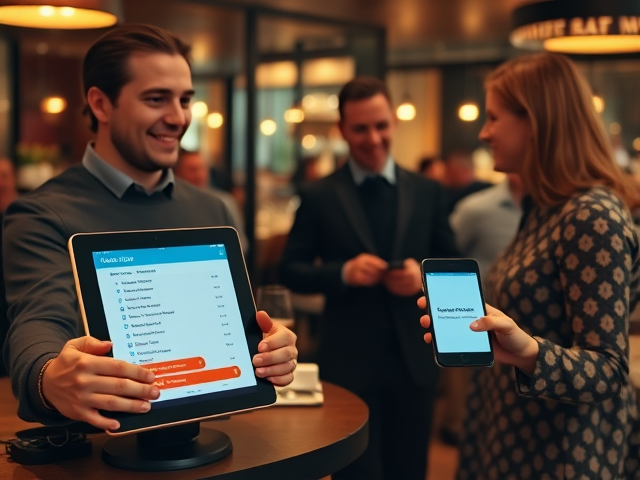
Communication is the backbone of a great queuing system. When customers know their place in line and how long they will wait, anxiety drops and trust rises. A smart queue system delivers this transparency through multiple channels:
Here is how real-time communication benefits your business:
By integrating seamless communication into the queuing process, your business demonstrates professionalism and care. This is especially important in Cambodia, where word-of-mouth and social media reviews heavily influence customer choice.
Many Cambodian businesses operate in limited physical spaces — small bank branches, compact clinics, and busy retail outlets. A crowded waiting area creates discomfort, safety concerns, and a negative brand impression.
Efficient crowd management is not just a logistical win — it is a customer experience win. When customers feel comfortable and in control, they are more likely to return and recommend your business to others.

In Cambodia's growing economy, customer experience is the key differentiator. A virtual queuing system directly enhances every touchpoint of the customer journey:
Implementing a smart queue system is one of the most impactful steps a Cambodian business can take to improve customer experience. It signals modernity, efficiency, and genuine care for the people you serve.
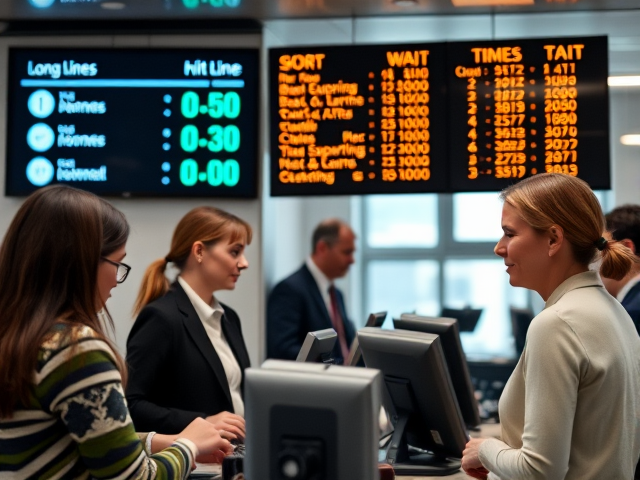
Long queues do not only frustrate customers — they also take a heavy toll on staff. Employees in Cambodian banks, hospitals, and government offices often face constant complaints, aggressive behaviour, and emotional exhaustion from managing unruly lines.
A virtual queuing system removes much of this pressure. Customers arrive informed and on time, reducing confrontations at the counter. Staff can focus on delivering quality service rather than managing chaos.
Staff no longer need to repeatedly explain wait times or manage angry customers. The queuing system handles communication automatically, freeing employees to focus on their core responsibilities — whether that is processing transactions, consulting patients, or assisting shoppers.
When workplace stress decreases, morale improves. Lower turnover, higher productivity, and a more positive workplace culture are all natural outcomes of implementing a smart queue system.
Every customer who walks away from a long queue is a lost sale. For Cambodian businesses, this adds up quickly. A single family leaving a bank branch or a group walking out of a restaurant represents not just one transaction — it represents future business that may never return.
A virtual queuing system directly protects your revenue by:
The financial impact of a smart queue system is substantial. By reducing inefficiencies and capturing lost revenue, Cambodian businesses can see a significant return on investment within months of implementation.
A modern queuing system does more than manage lines — it generates valuable data that helps Cambodian businesses make smarter operational decisions. Every queue interaction produces metrics that reveal patterns in customer behaviour, peak demand times, and service efficiency.
Data-driven insights turn your queuing system from a simple line-management tool into a strategic business asset. Cambodian businesses that leverage this data consistently outperform competitors who rely on guesswork.
The virtual queuing system is versatile and impactful across multiple sectors. Here are the industries in Cambodia that stand to gain the most:
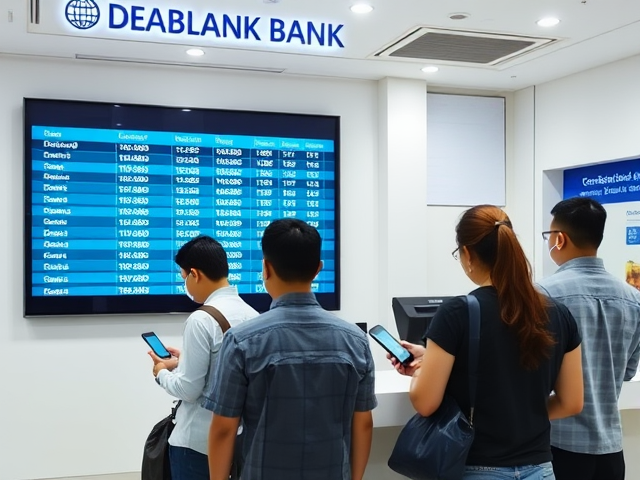
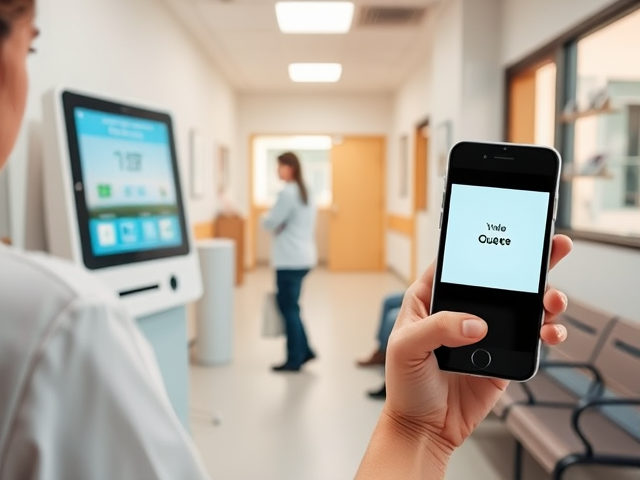
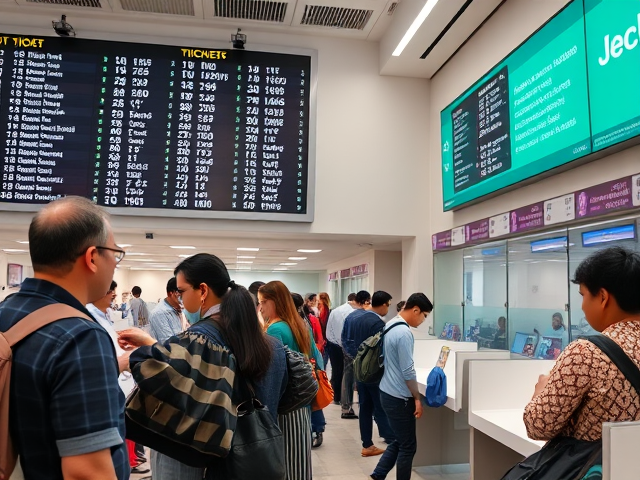
Cambodia's businesses are moving toward smarter, customer-centric service models. A virtual queuing system is no longer a luxury — it is a necessity for any business that wants to compete, grow, and deliver exceptional customer experience.
Contact us today for a personalised solution tailored to your business needs.


Security | Quality | Reliability