
Singapore's service sector operates at an intensity that few cities can match. From bustling hawker centres to busy clinics, banks, and retail outlets, customers expect swift, seamless service every single day. Yet, despite the city-state's reputation for efficiency, long physical queues remain a persistent frustration for millions of locals and visitors alike.
Imagine walking into a popular polyclinic on a Saturday morning. The waiting area is packed, the digital display shows a 45-minute wait, and the air is thick with impatience. This is the reality for countless Singaporeans who value their time but have no choice but to stand in line. The traditional queuing system simply cannot keep pace with the expectations of a modern, digitally-savvy population.
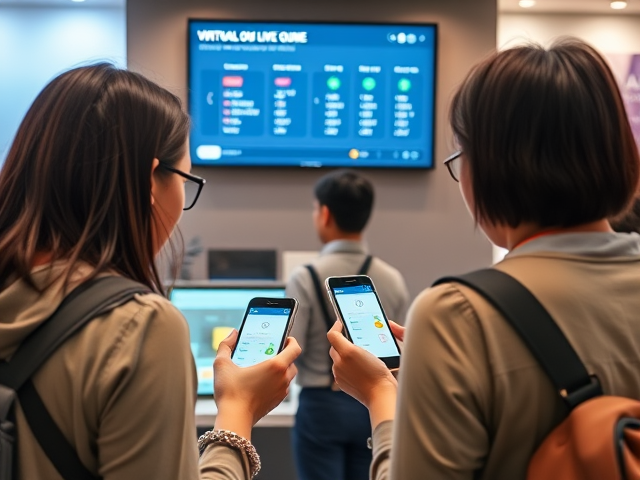
In a nation where time is currency and convenience is non-negotiable, the way customers wait can make or break your business. Singaporeans are among the most digitally connected consumers in Asia, and they have grown accustomed to instant gratification across every touchpoint of their daily lives. When a business still relies on manual, first-come-first-served queuing, the gap between expectation and reality widens dramatically.
A smart queue system addresses this gap head-on. By digitising the waiting process, businesses can eliminate physical congestion, reduce perceived wait times, and deliver a customer experience that aligns with Singapore's fast-paced lifestyle. The result is not just happier customers, but a measurable improvement in operational efficiency, staff morale, and overall revenue retention.
How a Virtual Queue Management System Works
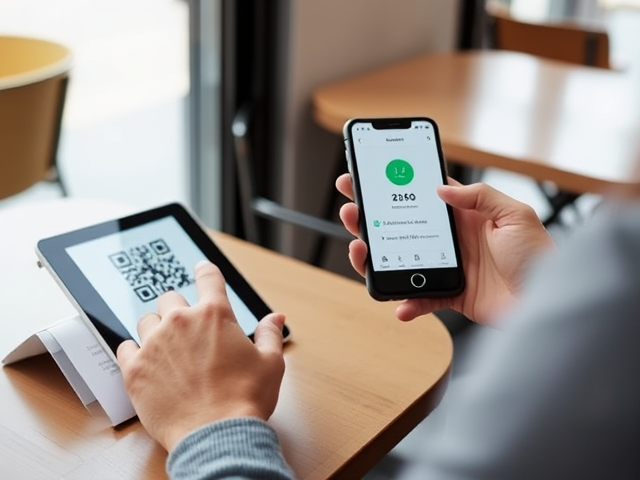
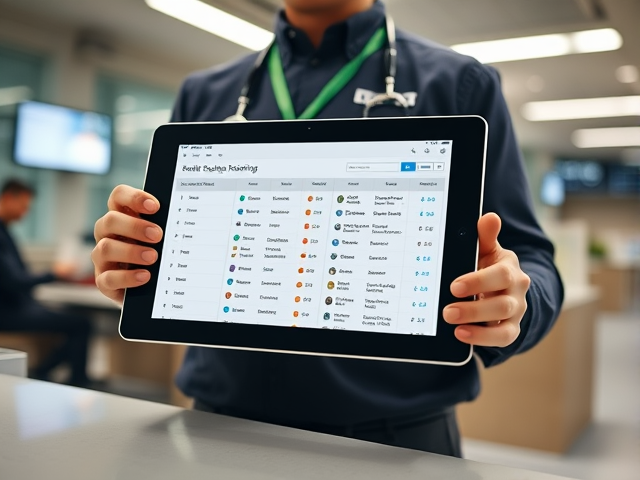
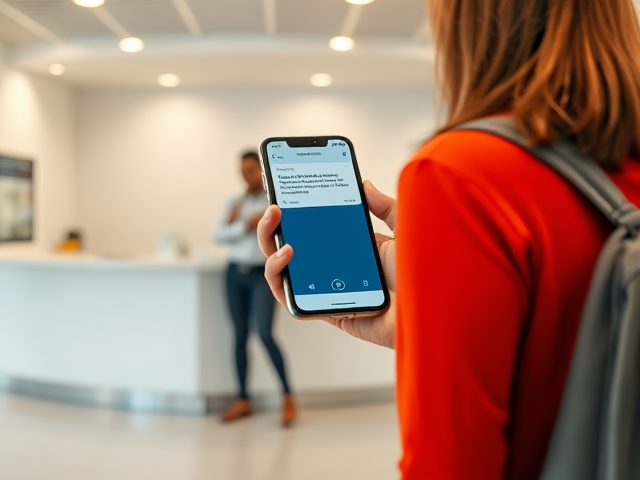
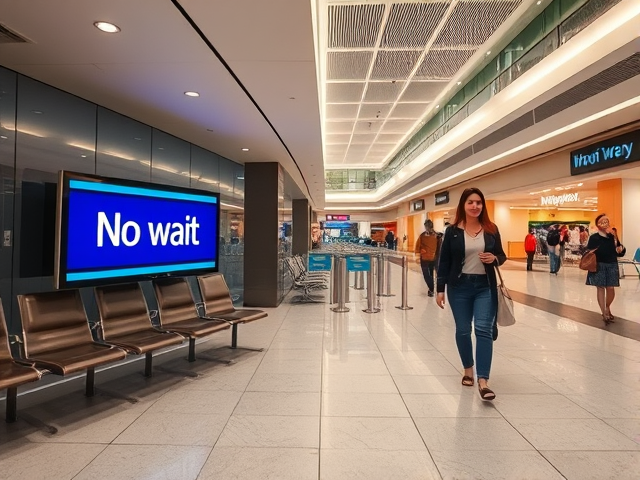
Singaporeans are notoriously time-conscious. A survey by a local consumer advocacy group revealed that over 68% of respondents would abandon a physical queue if the estimated wait exceeded 15 minutes. For businesses in high-traffic areas like Orchard Road, Jurong East, or Tampines, this statistic translates directly into lost revenue and damaged reputation.
A virtual queuing system removes the physical line entirely. Customers no longer need to stand in the heat of a Singapore afternoon or squeeze into an already crowded waiting area. Instead, they join the queuing system digitally and wait at their convenience. This alone can reduce perceived wait times by up to 70%, dramatically improving the customer experience and encouraging repeat visits.
For industries like healthcare, government services, and retail, where foot traffic is unpredictable and peak hours are intense, the smart queue system becomes an essential infrastructure rather than a luxury add-on.
Uncertainty is the enemy of patience. When customers do not know their position in line or how long they will wait, anxiety builds rapidly. A well-implemented virtual queuing system solves this problem by providing complete transparency at every stage of the journey.
Through the smart queue system, customers receive:
This level of transparency does more than just manage expectations. It builds trust. When a business communicates openly about wait times and keeps customers informed through a smart queue system, the customer experience shifts from passive waiting to active participation. That shift is powerful, and it is exactly what modern Singapore consumers demand.
In Singapore's commercial landscape, floor space is at a premium. Retail shops in shopping malls pay premium rental rates, clinics operate in compact medical suites, and government service centres must comply with strict crowd density guidelines. A physical queuing system consumes valuable square footage that could otherwise be used for revenue-generating activities or improved service delivery.
For Singapore businesses operating in tight commercial spaces, the smart queue system is not merely a convenience feature. It is a strategic operational tool that unlocks hidden capacity, ensures regulatory compliance, and elevates the physical environment in which customers interact with the brand.
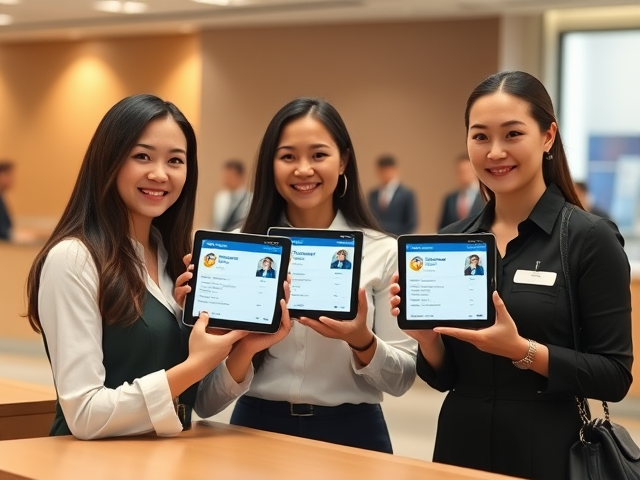
Staff in high-pressure service environments in Singapore often face the dual burden of delivering quality service while managing frustrated customers. Long queues amplify stress, increase error rates, and contribute to higher staff turnover. A virtual queuing system directly addresses this by bringing order to chaos and giving staff the predictability they need to perform at their best.
For Singapore businesses where labour costs are among the highest in Asia, maximising every staff hour is critical. A virtual queuing system ensures that your team is deployed efficiently, serving the right customers at the right time, and doing so with minimal stress and maximum productivity.
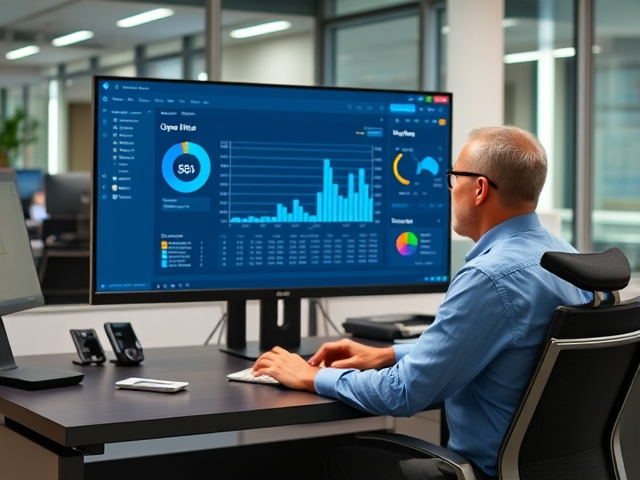
One of the most underutilised advantages of a virtual queuing system is the rich data it generates. Every queue interaction produces measurable insights: peak arrival times, average service duration, customer drop-off rates, counter utilisation, and more. For Singapore businesses operating in competitive markets, this data is gold.
With a smart queue system, management can answer critical questions: Which hours are the busiest? Which service counters are bottlenecks? How long do customers typically wait before abandoning the queue? These answers enable data-driven decisions that directly impact the bottom line.
For example, a Singaporean retail chain might discover that Saturday afternoons between 2 PM and 5 PM account for 40% of all queue traffic. Armed with this insight, they can schedule additional staff, launch targeted promotions during off-peak hours, and ultimately smooth out demand curves that previously caused service breakdowns.
The queuing system does not just manage lines. It becomes a strategic intelligence platform that informs staffing, marketing, and operational decisions across the entire organisation.
Singapore's service economy is maturing rapidly. Consumers have more choices than ever, and loyalty is earned through consistent, frictionless experiences. Businesses that adopt a virtual queuing system early are not just solving a operational problem. They are positioning themselves as forward-thinking, customer-centric brands that understand the expectations of modern Singapore consumers.
Consider the healthcare sector. With Singapore's ageing population and increasing demand for medical services, clinics and hospitals that implement a smart queue system gain a significant competitive edge. Patients appreciate the ability to join the queuing system from home, receive real-time updates, and arrive exactly when needed. This level of convenience becomes a powerful differentiator in a crowded market.
The same logic applies to banking, government services, F&B, and retail. In every sector, the businesses that eliminate friction from the customer journey will capture the most loyalty. The queuing system is the foundation of that frictionless experience.
Implementing a virtual queuing system in Singapore does not require a complete overhaul of existing operations. QueueBee's smart queue system is designed for seamless integration with your current workflow, whether you run a single clinic, a multi-branch retail store, or a government service centre.
Ready to eliminate long queues and deliver a smarter customer experience to your Singapore business? QueueBee's virtual queuing system and smart queue management platform is designed to reduce wait times, optimise staff productivity, and drive measurable business growth.
Contact us today for a personalised demo and see how the right queuing system can transform your operations.


Security | Quality | Reliability