
Picture this: It's a typical Saturday afternoon in Kuala Lumpur. You've just finished your shopping at a popular mall and decided to grab a coffee at a nearby café. The aroma of freshly brewed coffee draws you in, but as you step inside, your excitement quickly fades. A long line of customers snakes from the counter to the entrance, with people checking their watches and shifting impatiently from foot to foot.
You join the queue, and minutes tick by. The barista works diligently, but the pace is slow. A family ahead of you sighs audibly. A young professional checks his phone repeatedly. This is the reality for countless Malaysian businesses every single day — long physical queues that test customer patience and erode satisfaction. The good news? There's a smarter way. A virtual queue management system eliminates this frustration entirely, allowing customers to join a queue remotely and receive real-time updates on their position.
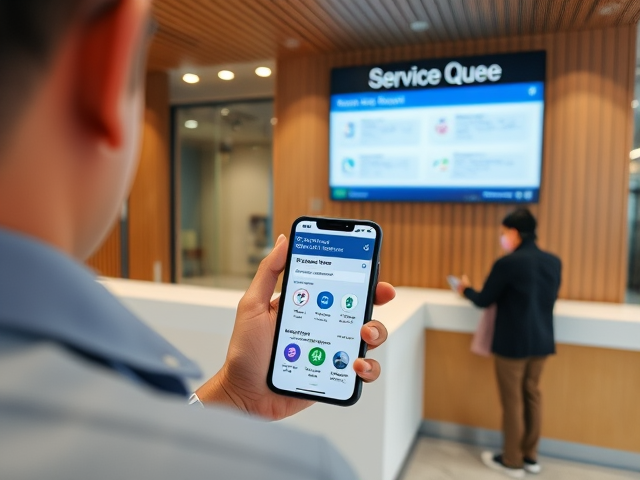
Malaysia's service industry is booming, from healthcare clinics and government service centres to retail outlets and hospitality venues. But with growth comes a challenge: managing customer flow efficiently. In a country where customers increasingly expect convenience and speed, standing in a physical line is no longer acceptable.
A virtual queue system addresses this challenge head-on. It allows customers to join a queue from anywhere — whether they're at home, in their car, or exploring the mall. This freedom transforms the waiting experience from a source of frustration into a seamless part of the customer journey. For Malaysian businesses, adopting a smart queue system is no longer optional; it's a competitive necessity.
Before diving into the virtual queue system, it's important to understand the different approaches to queue management available to Malaysian businesses today.
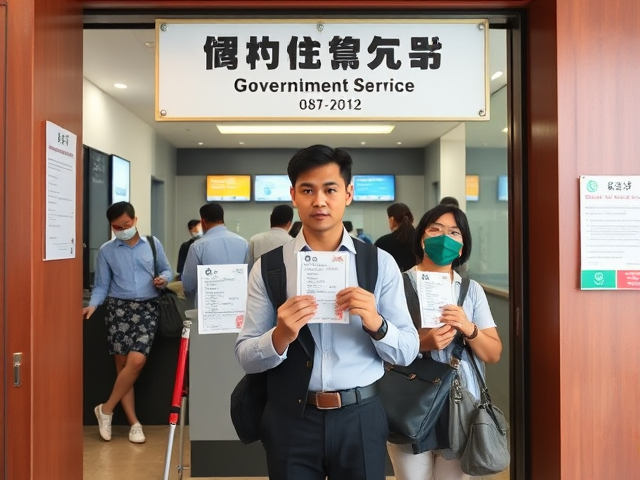

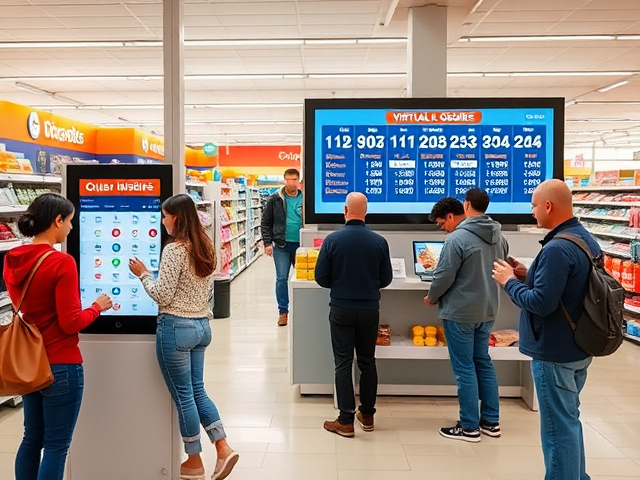

Research shows that most people begin feeling dissatisfied after just 5 to 10 minutes of waiting. In Malaysia, where time is increasingly valued in both urban and rural settings, this window is even shorter. A virtual queue management system tackles this problem at its root by eliminating the need for customers to stand in a physical line.
When customers can join a queue from their phone and receive updates via WhatsApp or SMS, the perceived wait time shrinks dramatically. They're no longer confined to a crowded waiting area — they can explore the mall, run errands, or simply relax. For Malaysian businesses, this means fewer walk-aways, higher conversion rates, and happier customers who are more likely to return.
The impact extends beyond customer satisfaction. Shorter perceived wait times translate directly into better foot traffic management, reduced congestion at service points, and a more professional image for your business. A smart queue system doesn't just manage lines; it manages expectations.
Uncertainty is the enemy of patience. When customers don't know how long they'll wait or where they stand in line, anxiety builds. A virtual queue system solves this by providing continuous, transparent communication throughout the entire queuing process.
Here's how a modern queue management system keeps customers informed and engaged:
By integrating seamless communication into the queuing process, Malaysian businesses demonstrate that they value their customers' time. This level of transparency builds trust, enhances the overall brand experience, and turns what was once a negative experience (waiting in line) into a positive one.
For Malaysian businesses operating in high-traffic environments — shopping malls, healthcare centres, government offices, and retail chains — managing crowd flow is critical. An overcrowded service area not only creates discomfort but also raises health and safety concerns, particularly in post-pandemic Malaysia where social distancing remains a consideration.
Efficient crowd management is essential for any Malaysian business that values its customers' comfort. A virtual queue system doesn't just solve logistical problems — it elevates the entire service experience, making every visit smoother and more enjoyable.

In Malaysia's competitive service landscape, customer experience is the key differentiator. A queue management system directly impacts how customers perceive your business from the very first interaction. Here's how a virtual queue system elevates your service standards:
Implementing a queue management system is one of the most impactful steps a Malaysian business can take to improve customer service. It demonstrates a commitment to excellence and positions your brand as forward-thinking and customer-centric.
Behind every long queue is a team of staff members dealing with frustrated customers. The emotional toll of constant complaints, impatience, and negative feedback can be draining. In Malaysia, where service industry staff often work long hours under pressure, this is a real concern.
When a virtual queue system is implemented, the dynamic changes completely. Customers are informed, patient, and less likely to direct their frustration at staff. This reduces workplace stress, improves staff morale, and allows employees to focus on what they do best — delivering quality service.
Staff no longer need to manage physical lines or field repetitive questions about wait times. They can focus on serving customers efficiently and personally. The result is a more motivated team, lower turnover rates, and a workplace culture that values both productivity and well-being.
For Malaysian businesses, investing in a smart queue system is an investment in your people. Happier staff lead to happier customers, creating a virtuous cycle of service excellence.
Inefficiency costs money. Long queues lead to lost sales, wasted staff hours, and missed business opportunities. Consider a Malaysian retail store where customers walk away due to long checkout lines — each walk-away represents lost revenue and a potential lost customer.
A virtual queue management system directly addresses these cost drivers:
The financial impact of a virtual queue system extends far beyond immediate cost savings. By improving efficiency and customer retention, businesses position themselves for sustainable growth in Malaysia's competitive market.
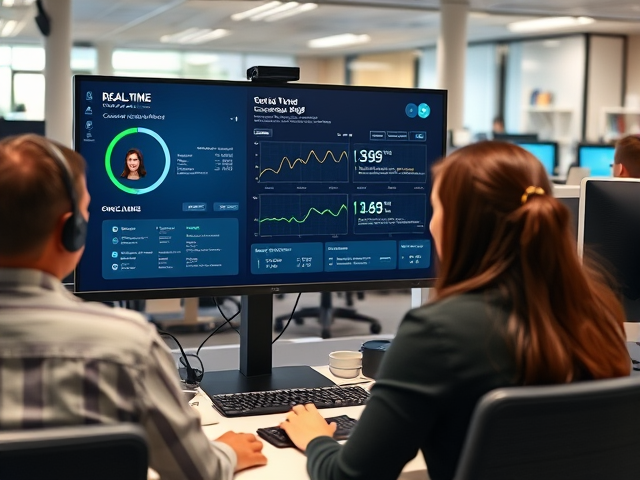
A modern queue management system does far more than manage lines — it generates valuable data that can transform how Malaysian businesses operate. Every queue interaction produces metrics that, when analysed, reveal patterns and opportunities for improvement.

Malaysian businesses that adopt a virtual queue management system gain a significant competitive edge. Reduced wait times, improved customer satisfaction, enhanced staff productivity, and data-driven insights — all contribute to a more efficient and profitable operation. Discover how QueueBee's smart queue system can be tailored to your business needs.
Contact us today for a personalised consultation


Security | Quality | Reliability