
Walk into any Singaporean public service centre — whether it is a clinic at a polyclinic, a counter at the Immigration & Checkpoints Authority, or a service desk at a town council office — and you will likely encounter the same scene: long lines, confused citizens, and overwhelmed staff. For decades, this has been the standard experience in public sector service delivery across the city-state.
But what if there was a way to eliminate those frustrating queues entirely? A smart queue system is exactly that — a digital solution that manages customer flow using technology instead of physical lines. By replacing traditional ticketing with virtual queuing, real-time updates, and automated notifications, a smart queue system transforms how citizens interact with government services. The result is a dramatically improved customer experience that aligns with Singapore's vision of a smart, efficient, and citizen-centric public sector.
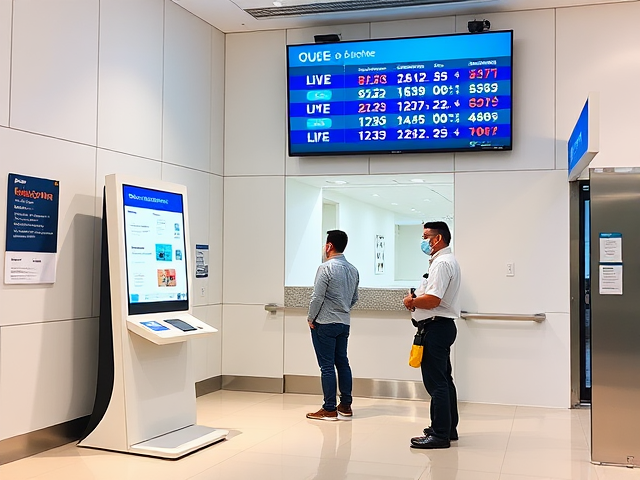
Singapore has long been recognised as one of the most efficient and digitally advanced nations in the world. From Smart Nation initiatives to widespread e-government services, the country has set a global benchmark for digital transformation. Yet, despite these advancements, many public sector service centres still rely on outdated, manual queue management processes that create bottlenecks, increase wait times, and frustrate citizens.
This gap between Singapore's digital ambitions and its ground-level service delivery is where a smart queue system becomes essential. The customer experience in public services directly impacts citizen trust, satisfaction, and confidence in government institutions. When citizens spend hours waiting in physical queues for routine services, it undermines the very efficiency that Singapore is known for. A modern queue management system bridges this gap by ensuring that every citizen receives timely, organised, and respectful service.
Core Components of a Smart Queue System
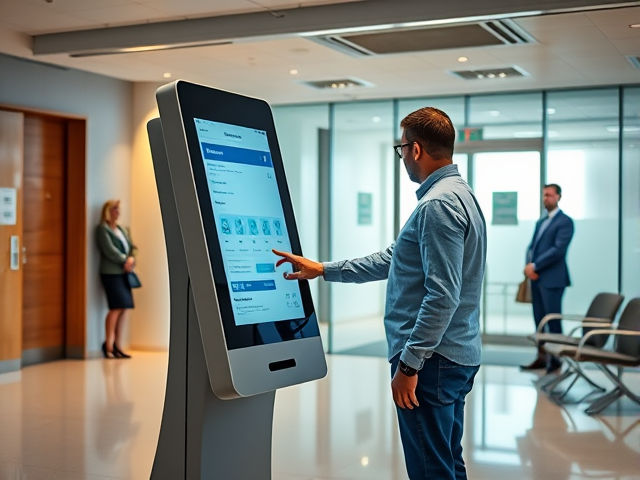
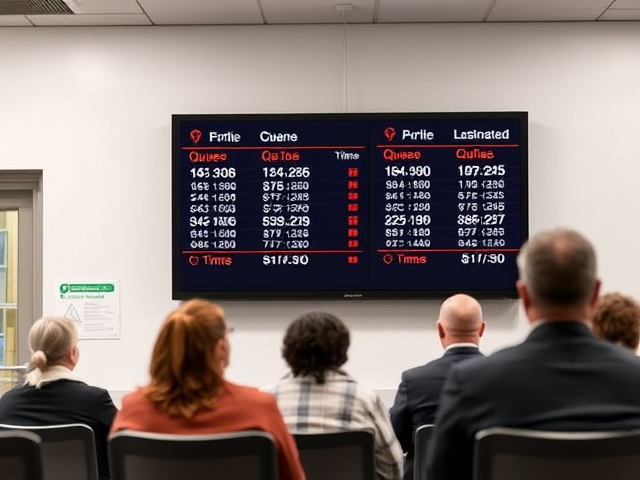
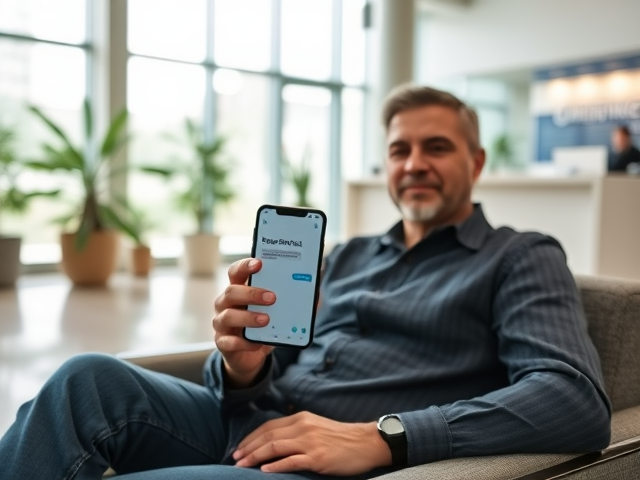
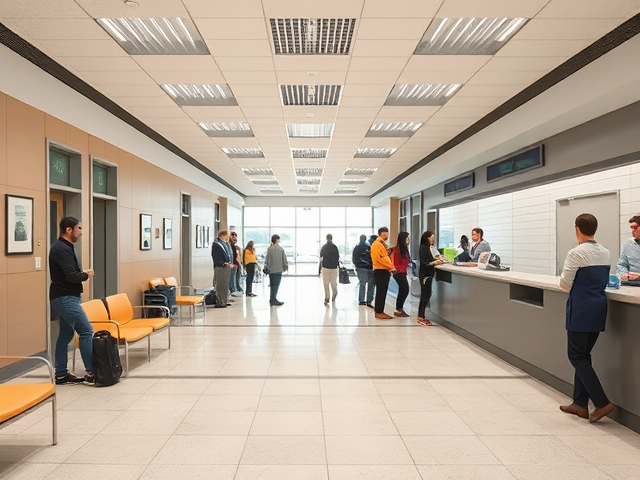
In Singapore's public sector, citizens often visit government service centres for essential tasks — from renewing identification documents to applying for housing grants. A recent survey of public service users revealed that the average wait time at a government counter exceeds 45 minutes, with some citizens waiting over two hours during peak periods. This is unacceptable in a nation that prides itself on efficiency.
A smart queue system directly addresses this problem by enabling virtual queuing. Citizens no longer need to stand in physical lines for hours. Instead, they can join a queue remotely, receive real-time updates, and arrive at the service counter only when their turn is near. This alone can reduce perceived wait times by up to 70 percent, significantly improving the overall customer experience.
For Singaporean public sectors, this means fewer frustrated citizens, shorter physical queues, and a more orderly service environment. When citizens feel their time is respected, their perception of government services improves dramatically.
One of the biggest frustrations in any queue is uncertainty. Not knowing how long you will wait, whether your turn is coming soon, or if the system is working properly creates anxiety and erodes trust. In the public sector, where citizens expect reliability and professionalism, this uncertainty is particularly damaging.
A smart queue system eliminates this uncertainty through transparent communication channels:
For Singaporean public sectors, this level of communication is transformative. It builds trust between citizens and government agencies, reduces complaints about service delays, and creates a more professional and organised service environment.
Singapore's public service centres often face unpredictable foot traffic. During peak seasons — such as National Registration Day, tax filing periods, or grant application windows — the volume of citizens can overwhelm even the most well-staffed facilities. Without proper crowd management, this leads to overcrowded waiting areas, stressed staff, and degraded service quality.
For Singaporean public sectors, efficient crowd management is not just about convenience — it is about equity and accessibility. A smart queue system ensures that every citizen, regardless of their background or ability, receives fair and timely service.

In the public sector, the customer experience is not a luxury — it is a fundamental expectation. Citizens pay taxes, follow regulations, and engage with government services with the understanding that their time and dignity will be respected. When public service centres fail to deliver a smooth experience, it damages public trust and undermines confidence in government institutions.
For Singaporean public sectors, improving the customer experience through a smart queue system is not just an operational upgrade — it is a commitment to citizen-centric governance. It signals that the government values every citizen's time and deserves their continued trust.
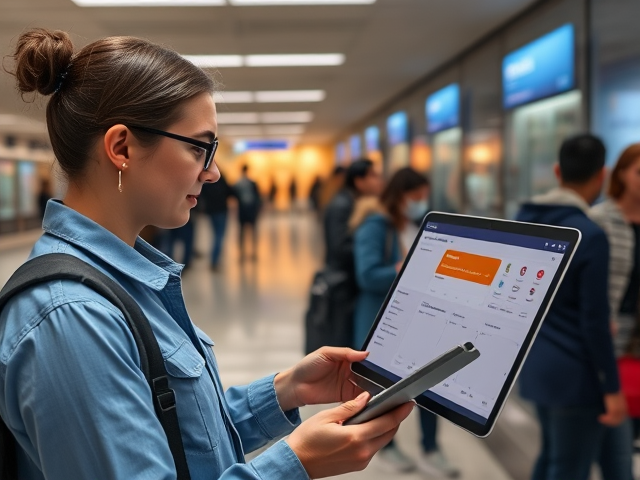
Public sector staff in Singapore face immense pressure. They are expected to serve hundreds of citizens daily, handle complex inquiries, and maintain high service standards — all while managing the chaos of uncontrolled queues. This environment leads to burnout, high turnover, and declining morale.
A smart queue system alleviates this burden by automating the most tedious aspects of queue management. Staff no longer need to manually call out queue numbers, manage physical ticket systems, or deal with angry citizens waiting in line. Instead, they can focus on what they do best — serving citizens with expertise and empathy.
Automated queue management reduces administrative overhead by up to 60 percent. Staff can be redeployed to higher-value tasks, such as complex case handling and citizen consultation. And with real-time analytics, managers can make data-driven decisions about staffing, resource allocation, and service improvements.
For Singaporean public sectors, this means a more productive, motivated, and efficient workforce. When staff are not overwhelmed by queue chaos, they deliver better service, and citizens experience a more professional and responsive government.
A smart queue system does more than manage lines — it generates valuable data that can transform how public sectors operate. Every queue interaction produces metrics that, when analysed, reveal patterns, bottlenecks, and opportunities for improvement.
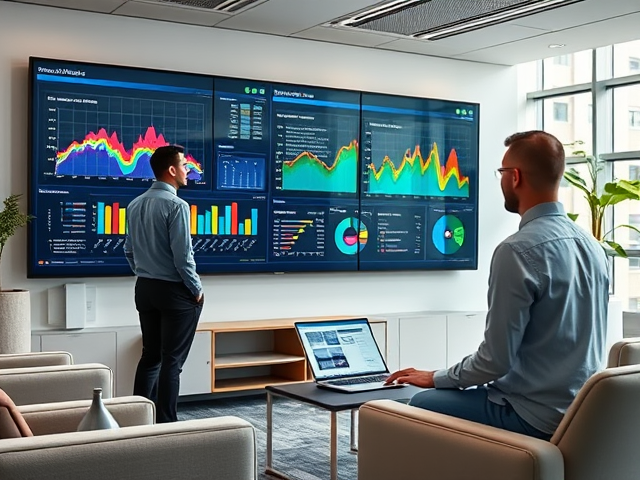
For Singaporean public sectors, this data-driven approach is invaluable. It transforms queue management from a reactive operational task into a strategic tool for continuous service improvement, aligning perfectly with the nation's commitment to evidence-based governance.
Singapore's Smart Nation initiative is not just about technology — it is about using technology to improve the lives of every citizen. A smart queue system is a critical component of this vision, bringing digital transformation to the most visible and impactful touchpoint between citizens and government: the service counter.
When public sectors adopt a smart queue system, they are not just upgrading their operations — they are making a statement. They are demonstrating that they are committed to innovation, efficiency, and citizen-centric service delivery. This alignment with national digital goals strengthens Singapore's position as a global leader in smart governance and public sector innovation.
Moreover, a smart queue system is scalable and adaptable. Whether deployed in a small community centre or a large government complex, it can be customised to meet the specific needs of each facility. This flexibility makes it an ideal solution for Singapore's diverse public sector landscape, from healthcare institutions to housing boards and immigration offices.
The citizen experience in public service centres is a reflection of how a government values its people. In Singapore, where efficiency and excellence are national priorities, outdated queue management is no longer acceptable. Citizens deserve better, and public sectors have a responsibility to deliver it.
A smart queue system is not a luxury — it is a necessity. It reduces wait times, improves communication, optimises operations, and most importantly, elevates the customer experience for every citizen who walks through the doors of a public service centre. For Singaporean public sectors, adopting a smart queue system is a step toward a more efficient, citizen-centric, and future-ready government.
The question is not whether Singaporean public sectors need a smart queue system. The question is how quickly they can implement one.
Ready to revolutionise the customer experience in your public sector facility? Discover how QueueBee's smart queue system can transform your service delivery, reduce citizen wait times, and elevate operational efficiency. Contact us today for a personalised solution tailored to Singapore's public sector needs.

Security | Quality | Reliability